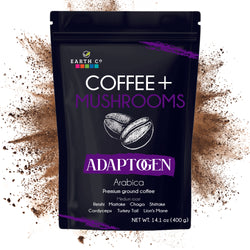
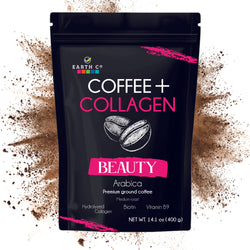
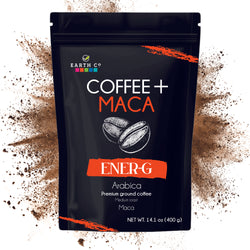
The US supplement market in 2026 represents a massive industry valued at over $60 billion, driven by Americans seeking proactive health solutions beyond traditional medicine. Functional coffee is emerging as the leading delivery format because it transforms daily routines into wellness rituals without adding complexity. This shift reflects a broader consumer demand for convenience, efficacy, and enjoyment in supplementation.
Understanding the US Supplement Market in 2026
The US supplement market is the collective industry of vitamins, minerals, herbs, amino acids, and specialty supplements sold to American consumers. According to NCHS Data Brief No. 399 published by the CDC and NIH (PMID 33663653), approximately 57.6% of US adults reported using dietary supplements in the past 30 days during 2017-2018 — establishing a strong consumer baseline that has continued growing. This data confirms that supplement use has increased across all age groups over the decade from 2007 to 2018. To understand the profile of the modern American wellness consumer driving this growth, see our detailed guide on the US wellness consumer in 2026.
Market analysts project the US dietary supplement market will surpass $60 billion by 2026, representing consistent year-over-year growth. Several factors fuel this expansion including an aging population, increased preventive health awareness, and the mainstreaming of once-niche ingredients like adaptogens and nootropics. Consumers are no longer satisfied with generic multivitamins and instead seek targeted solutions for specific health goals.
The demographic driving this growth skews toward health-conscious Americans aged 25 to 45 who prioritize clean labels, transparent sourcing, and science-backed formulations. This cohort values convenience equally with efficacy, explaining why traditional pill-based supplements are losing ground to functional foods and beverages.
Key Trends Shaping the US Supplement Market in 2026
Several macro trends are reshaping how Americans approach supplementation. The most significant shifts by category:
- Adaptogens for stress management: clinical evidence confirms that adaptogenic herbs like ashwagandha (Withania somnifera) demonstrate measurable reductions in cortisol and perceived stress scores in multiple RCTs — with a 2023 systematic review and meta-analysis documenting significant serum cortisol decreases (MD = −3.27 µg/dL, p=0.003) after 56-60 days of daily use
- Gut health: prebiotics, probiotics, and postbiotics now lead consumer interest — clinical studies show gut microbiome support influences immune function, mental clarity, and metabolic health
- Beauty-from-within: hydrolyzed collagen peptides targeting fibroblasts in the dermis for improved skin elasticity — consumers now understand topical products alone cannot address structural skin aging
- Nootropics and cognitive support: lion's mane, MCT oil, and other brain-supportive ingredients are entering mainstream consumption as remote work demands sustained cognitive performance
- Functional food formats: the fastest-growing segment — delivery through foods and beverages rather than capsules or tablets
Short-chain fatty acids like butyrate, produced when beneficial bacteria ferment prebiotic fibers, strengthen the gut barrier and reduce intestinal permeability — explaining why gut health has become central to the supplement conversation. Consumers understand that systemic health starts in the digestive tract.
Why Functional Coffee Leads the US Supplement Market in 2026
Functional coffee represents the intersection of daily habit and health optimization, which explains its rapid ascent in the supplement landscape. Unlike pills that require remembering an additional step, functional coffee integrates seamlessly into existing morning routines. Compliance is the primary factor determining supplement effectiveness in real-world use, and format plays a crucial role in compliance — which is exactly the problem functional coffee solves.
The functional beverage category addresses a fundamental consumer desire for products that feel indulgent while delivering measurable benefits. Coffee already provides natural energy through caffeine's effects on alertness and adenosine receptor blockade, making it an ideal vehicle for additional functional ingredients. Market data indicates that functional coffee sales are growing at nearly double the rate of traditional supplements.
Consumers appreciate transparent ingredient lists, direct-to-consumer accessibility, and brands that prioritize organic sourcing and third-party testing. The shift away from synthetic additives toward whole-food-based formulations aligns with broader clean-label movements across the food industry.
The Science Behind Functional Coffee Formulations
Effective functional coffee requires more than simply adding trendy ingredients to coffee grounds. Evidence-based formulation considers bioavailability, synergistic effects, and optimal dosing to deliver real results. This scientific rigor separates premium functional coffee brands from opportunistic market entries.
Adaptogenic mushrooms contain beta-glucans that support immunomodulation and stress resilience. The distinction between mycelium and fruiting body extraction matters significantly for potency — clinical studies show that fruiting body extracts contain higher concentrations of active compounds like hericenones and beta-glucans. Discerning consumers now read labels for these specifics.
For energy-focused formulations, ingredients like maca root support sustained energy metabolism without the jitters associated with excessive caffeine. Protein-enhanced functional coffees leverage amino acids and muscle protein synthesis pathways, with leucine serving as the primary trigger for muscle building. Whey protein isolate provides a complete amino acid profile in a highly bioavailable form. Explore Earth Co Organics' full functional coffee catalog to see how each blend delivers targeted benefits.
Consumer Preferences and Purchasing Behavior
Today's supplement consumers conduct extensive research before buying, seeking products with clinical backing, transparent sourcing, and authentic brand stories. They distrust exaggerated claims and gravitate toward companies that educate rather than just sell.
Subscription models have become increasingly popular, reflecting the understanding that consistency matters more than occasional supplementation. Functional coffee fits perfectly into subscription frameworks because daily consumption is already habitual. Price sensitivity varies across consumer segments, but value perception outweighs absolute cost — a functional coffee that replaces both a morning brew and several separate supplements represents clear economic value that resonates with this market.
Start Your Functional Coffee Journey Today
The US supplement market in 2026 offers more options than ever, but the clearest path to consistent wellness runs through your daily coffee ritual. ADAPTOGEN by Earth Co Organics is a functional coffee that combines medicinal mushrooms and adaptogens for stress and focus — exemplifying how modern formulations deliver targeted benefits without disrupting your routine. When your morning cup works as hard as you do, health optimization becomes effortless.
Frequently Asked Questions
How big is the US supplement market in 2026?
The US supplement market is projected to exceed $60 billion in 2026, making it the largest dietary supplement market globally. CDC/NCHS data confirms that 57.6% of US adults already used dietary supplements monthly as of 2017-2018, and that figure has grown consistently across all age groups over the past decade. Growth is driven by increased consumer interest in preventive health, personalized nutrition, and functional food formats.
Why is functional coffee becoming so popular?
Functional coffee combines the daily coffee ritual with targeted health benefits like adaptogens, collagen, or prebiotics. Consumers prefer this format because it requires no extra steps or pills, making supplementation seamless and enjoyable. Compliance is the primary determinant of supplement effectiveness — and functional coffee solves the compliance problem by integrating into a habit people already maintain every morning.
What supplements are trending in 2026?
Top trending supplements in 2026 include adaptogens for stress management (particularly ashwagandha, with strong RCT evidence for cortisol reduction), prebiotics and postbiotics for gut health, collagen peptides for skin and joints, and nootropics like lion's mane for cognitive performance. The most significant trend is the shift in delivery format — from pills to functional foods and beverages that integrate into existing daily rituals.
Written by Carlos León, Founder of Earth Co Organics