The US wellness consumer in 2026 is someone who demands functional benefits, ingredient transparency, and products that fit into existing routines without added complexity. They have moved beyond trendy supplements toward evidence-based solutions that deliver real, measurable results. This shift represents the most significant transformation in American health priorities in decades.
Understanding the US Wellness Consumer in 2026
The wellness landscape has undergone a dramatic evolution. Today's health-conscious Americans are not chasing fads — they are investing in sustainable habits backed by science. Industry data consistently shows that the majority of American consumers now actively seek foods with functional health benefits beyond basic nutrition, with surveys from organizations like the Food Marketing Institute and the International Food Information Council documenting that health benefits significantly influence purchasing decisions for more than six in ten US food shoppers.
This shift reflects a deeper understanding of preventive health. Consumers now recognize that daily choices compound over time. They are asking harder questions about bioavailability, sourcing, and whether ingredients actually do what brands claim. The era of vague wellness promises is over.
Functional foods are products that provide health benefits beyond basic nutrition, often containing added ingredients like adaptogens, prebiotics, or protein. These foods bridge the gap between diet and supplementation, delivering targeted support through familiar formats. Explore Earth Co Organics' full functional coffee catalog to see how this approach works in practice.
What Changed: The Post-Pandemic Health Awakening of the Wellness Consumer
The pandemic permanently altered how Americans think about immunity, stress, and daily wellness rituals. Research confirms that health priorities shifted dramatically between 2020 and 2024. People stopped treating wellness as optional and started viewing it as essential infrastructure for their lives.
Adaptogens are natural substances that help the body adapt to stress and maintain homeostasis. These compounds work by modulating the HPA axis and cortisol response, helping regulate the body's stress response over time. Consumer awareness of adaptogens has grown significantly as stress management became a primary health goal.
The gut microbiome also emerged as a major focus area. Consumers learned that gut health influences everything from immunity to mood. Terms like prebiotics, postbiotics, and gut barrier integrity entered mainstream vocabulary as people sought products supporting their digestive wellness.
What the Wellness Consumer Wants: Convenience Without Compromise
Today's wellness consumers refuse to choose between effectiveness and convenience. They want products that work hard while fitting effortlessly into existing habits. Coffee remains the most consistent daily ritual for approximately 66% of American adults, making it the perfect delivery vehicle for functional ingredients.
Evidence from behavioral science confirms that habit-stacking — adding new behaviors to established routines — dramatically increases long-term adherence. This is why functional beverages have outpaced traditional supplements in growth. When your morning coffee already contains adaptogens or collagen, you have eliminated friction entirely.
What today's wellness consumer prioritizes when making purchasing decisions:
- Functional benefits: measurable health outcomes supported by clinical evidence, not marketing claims
- Ingredient transparency: full disclosure of sources, extraction methods, and dosages
- Convenience: products that integrate into existing daily rituals rather than requiring new behaviors
- Science literacy: they read labels, research ingredients, and expect brands to educate, not just sell
- Values alignment: sustainability, ethical sourcing, and corporate accountability influence purchasing decisions
Amino acids are the building blocks of protein, essential for muscle protein synthesis and tissue repair. Health-conscious consumers now understand that protein quality — measured by leucine content and bioavailability — matters more than quantity alone.
The Science-Curious Wellness Consumer Mindset
The US wellness consumer in 2026 does not just want products that work — they want to understand why they work. This science-curious mindset has transformed marketing from claims-based to education-based. Brands that teach win trust; brands that just sell lose relevance.
Clinical research shows that consumer engagement increases significantly when brands explain mechanisms of action. People want to know about beta-glucans in mushrooms, the role of mitochondria in cellular energy, and how butyrate supports gut barrier function. They are not intimidated by science — they are empowered by it.
Short-chain fatty acids are metabolites produced when beneficial gut bacteria ferment dietary fiber. These compounds, including butyrate, support intestinal permeability and overall digestive health. Informed consumers actively seek products that promote this healthy fermentation process.
Why Traditional Supplements Are Losing Ground With the Wellness Consumer
Supplement fatigue is real. The average American household has multiple supplement bottles, many half-used or expired. The wellness consumer in 2026 recognizes this inefficiency and seeks consolidation. Why take five pills when your coffee can deliver similar benefits?
Research on supplement adherence consistently shows that compliance drops significantly over time. A 2019 systematic review found that adherence to health behavioral interventions of all kinds declines over months, and supplements face particular challenges — requiring daily intent, memory, and a willingness to maintain a separate routine. Meanwhile, systematic evidence confirms that integrating beneficial compounds into existing daily rituals produces significantly better long-term adherence than standalone supplement protocols.
Bioavailability also matters more than ever. Consumers understand that not all delivery formats are equal. Some nutrients absorb better in liquid form, while others require fat for optimal uptake.
Immunomodulation refers to the process of regulating immune system function. Functional ingredients like medicinal mushrooms and postbiotics support healthy immune responses without overstimulation — a nuanced benefit today's educated consumers actively seek.
Values-Driven Purchasing Decisions Among Wellness Consumers
The wellness consumer of 2026 votes with their wallet. Sustainability, ethical sourcing, and brand values influence purchasing decisions almost as much as product efficacy. This generation demands accountability alongside results.
Organic certification matters, but so does packaging sustainability, supply chain transparency, and corporate responsibility. Consumers research brands before buying, reading reviews, investigating claims, and choosing companies whose values align with their own.
This values-driven approach extends to ingredient sourcing. Consumers want to know that their collagen comes from responsible sources, their mushrooms are grown sustainably, and their coffee supports farming communities.
The Functional Coffee Revolution and the Wellness Consumer
Coffee has transcended its role as a simple caffeine delivery system. The wellness consumer in 2026 views their morning cup as an opportunity — a chance to stack benefits, support their goals, and start the day with intention. Functional coffee meets this moment perfectly.
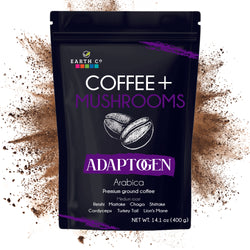
ADAPTOGEN by Earth Co Organics is a functional coffee that combines medicinal mushrooms and adaptogens for stress and focus. By blending organic coffee with clinically-studied ingredients, it transforms a daily habit into a wellness practice — no extra steps, no additional routines, just an upgrade to something you already do.
Start Your Functional Wellness Journey Today
The wellness landscape has evolved, and so have consumer expectations. Today's health-conscious Americans want science-backed ingredients, transparent sourcing, and convenient delivery — all without compromising on taste or experience. Earth Co Organics was built to meet exactly these demands.
Frequently Asked Questions
What do wellness consumers want in 2026?
Wellness consumers in 2026 prioritize functional benefits, transparency, and convenience. They seek products that deliver measurable health outcomes while fitting seamlessly into busy lifestyles, with clean ingredient lists they can understand and trust. They are increasingly science-literate and expect brands to educate, not just market.
Why are functional foods growing so fast?
Functional foods combine nutrition with targeted health benefits, eliminating the need for multiple supplements. Consumers prefer getting adaptogens, prebiotics, and protein through foods they already enjoy rather than adding more pills to their routine. Habit integration dramatically improves long-term adherence compared to standalone supplement protocols.
How is Earth Co different from other wellness brands?
Earth Co delivers clinically-backed functional ingredients through organic coffee — a ritual most Americans already have. This approach offers real benefits without disrupting daily routines, backed by transparent sourcing and science-first formulations. Each blend is designed for a specific wellness goal, making personalized nutrition accessible and convenient.