Why Earth Co's Functional Mushrooms Are Ground and Not Extracted: Real Advantages and Disadvantages
Ground functional mushrooms are whole mushrooms that have been dried and pulverized into powder, retaining all their natural compounds including fiber, vitamins, and beta-glucans. Unlike concentrated extracts, ground mushrooms deliver the complete nutritional profile of the fruiting body in its natural ratios. This approach offers unique benefits for daily wellness routines, though it also comes with trade-offs worth understanding.
Understanding Ground Functional Mushrooms vs. Extracts
The functional mushroom market offers two primary forms: whole ground mushrooms and concentrated extracts. Ground mushrooms involve drying and milling the fruiting body or mycelium into a fine powder without chemical processing. Extracts use hot water, alcohol, or dual-extraction methods to isolate and concentrate specific active compounds like beta-glucans and triterpenes.
Beta-glucans are polysaccharides found in fungal cell walls that research links to immunomodulation and immune system support. According to a 2017 study published in the International Journal of Molecular Sciences, fungal beta-glucans demonstrate significant immunomodulatory effects by activating macrophages, neutrophils, and natural killer cells. This makes them valuable for supporting the body's natural defense mechanisms.
The fruiting body is the above-ground portion of the mushroom that produces spores, while mycelium is the root-like network that grows beneath the surface. Both contain beneficial compounds, but the fruiting body typically offers higher concentrations of beta-glucans and other bioactive substances. Earth Co uses carefully selected mushroom sources to ensure quality in every cup.
The Real Advantages of Ground Functional Mushrooms
Whole-food nutrition represents the primary advantage of ground mushrooms. When you consume ground functional mushrooms, you receive the complete matrix of compounds as nature intended. This includes dietary fiber, B vitamins, minerals like selenium and potassium, and the full spectrum of polysaccharides working together synergistically.
Evidence suggests that whole foods often provide benefits that isolated compounds cannot replicate. The fiber in ground mushrooms acts as a prebiotic, supporting beneficial gut bacteria.
Gentler dosing makes ground mushrooms ideal for daily consumption. Rather than delivering concentrated therapeutic doses, ground mushrooms provide maintenance-level support that integrates smoothly into your morning routine. This approach suits those seeking sustainable wellness habits rather than acute interventions. You can explore our full range of functional ingredients to understand what goes into each blend.
Minimal processing preserves heat-sensitive compounds that extraction methods may degrade. Some vitamins, enzymes, and delicate phytonutrients remain intact when mushrooms are simply dried at low temperatures and ground. This whole-food approach aligns with clean-label principles that health-conscious consumers increasingly demand.
The Honest Disadvantages of Ground Mushrooms
Lower concentration of active compounds represents the most significant trade-off. Extracts can deliver 10 to 50 times more beta-glucans per gram than ground whole mushrooms. For individuals seeking therapeutic doses for specific health conditions, extracts may prove more practical and effective.
Clinical studies typically use standardized extracts rather than whole mushroom powders. This means much of the published research on mushroom benefits applies specifically to concentrated forms. When nutrition experts discuss evidence-based benefits, they often reference extract-based studies. Ground mushroom users should understand they may not achieve identical results.
Taste and texture can present challenges with ground mushrooms. Whole mushroom powder carries more earthy, sometimes bitter flavors than purified extracts. Some people find this taste difficult to mask, even in coffee. However, careful blending with quality coffee and complementary ingredients can create a pleasant drinking experience.
Bioavailability questions remain partially unanswered. Beta-glucans locked within fungal cell walls may not be fully accessible without extraction processes that break down chitin, the tough structural component. Hot water extraction, in particular, helps liberate these compounds. Research confirms that extraction increases the availability of certain beneficial polysaccharides.
What the Science Says About Mushroom Forms
A 2019 review in Nutrients examined the biological activities of various medicinal mushrooms and found that processing methods significantly affect bioactive compound availability. The researchers noted that while extraction increases concentration, whole mushroom consumption still provides measurable health benefits through multiple pathways.
Immunomodulation is the process by which substances regulate immune system activity, either enhancing or calming the response depending on the body's needs. Functional mushrooms like reishi, lion's mane, and chaga have demonstrated immunomodulatory properties in both whole and extracted forms. The difference lies primarily in potency and speed of effect.
For daily wellness maintenance, clinical studies show that consistent consumption matters more than acute high doses. The adaptogenic properties of certain mushrooms support the HPA axis and help regulate cortisol over time. This makes ground mushrooms suitable for those building long-term health habits rather than addressing immediate concerns.
Neuroplasticity, the brain's ability to form new neural connections, has been linked to compounds found in lion's mane mushroom. Both ground and extracted forms contain these beneficial substances, though extracts deliver more concentrated doses. For cognitive support, combining mushrooms with other brain-supporting ingredients may enhance overall benefits.
Why Earth Co Chose This Approach
Earth Co believes in accessible daily wellness rather than complicated supplement regimens. By incorporating ground functional mushrooms into coffee, we create a ritual that fits naturally into existing habits. You don't need to remember another pill or mix another powder. Your morning coffee simply does more for you.
Transparency guides our ingredient decisions. Ground mushrooms are straightforward to understand and source. There's no mystery about what's in the cup. Visit our shop to see exactly what each blend contains and how it supports your wellness goals.
We acknowledge that extracts have their place. For those managing specific health concerns under professional guidance, concentrated mushroom extracts may be appropriate. Our approach serves the health-conscious individual seeking gentle, consistent support through whole-food ingredients integrated into daily life. This isn't about replacing medical interventions but about elevating everyday habits.
Start Your Functional Mushroom Coffee Ritual Today
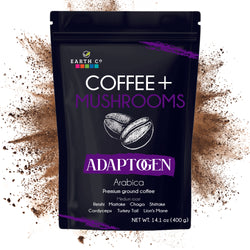
Understanding the real advantages and disadvantages of ground functional mushrooms empowers you to make informed choices. For daily stress management and cognitive support, Adaptogen, a functional coffee that combines medicinal mushrooms and adaptogens for stress and focus, delivers whole-food mushroom benefits in every cup. The blend supports your stress response and mental clarity without complicated routines.
Whether you're new to functional mushrooms or looking for a more sustainable daily approach, ground mushroom coffee offers a practical path to consistent wellness support. The key is making it easy enough to do every single day.
Shop Earth Co Adaptogen Coffee Now
Are ground functional mushrooms as effective as extracts?
Ground functional mushrooms can be effective, though they typically contain lower concentrations of active compounds than extracts. The advantage is that whole mushroom powder provides the full spectrum of nutrients, fiber, and cofactors that may support absorption and overall wellness.
What are beta-glucans and why do they matter in mushrooms?
Beta-glucans are polysaccharides found in fungal cell walls that support immune function through immunomodulation. Research shows they activate immune cells and help regulate the body's defense response. Both ground mushrooms and extracts contain beta-glucans, though extracts typically have higher concentrations.
Should I choose ground mushrooms or mushroom extracts?
The choice depends on your goals. Ground mushrooms offer whole-food nutrition with fiber and cofactors at a gentler dose, ideal for daily maintenance. Extracts provide concentrated active compounds for targeted therapeutic benefits. Many people find ground mushrooms easier to incorporate into daily coffee routines.