The difference between fruiting body and mycelium in medicinal mushrooms determines whether you are getting potent bioactive compounds or mostly grain filler. Fruiting body is the above-ground mushroom cap and stem containing concentrated beta-glucans, while mycelium is the underground root-like network that often comes mixed with its growing substrate. This distinction fundamentally changes the therapeutic value of any mushroom supplement you purchase.
Understanding Medicinal Mushrooms: Fruiting Body vs. Mycelium Explained
Medicinal mushrooms have been used for thousands of years in traditional medicine systems, and modern science has built a substantial body of evidence on their bioactive compounds. When you picture a mushroom, you are imagining the fruiting body — the visible structure that emerges with a cap and stem. This is where the mushroom produces spores and where the highest concentration of beneficial compounds accumulates.
Mycelium is the vegetative part of the fungus, consisting of thread-like structures called hyphae that spread through soil, wood, or whatever substrate the mushroom grows on. Think of mycelium as the root system and fruiting body as the fruit itself. Both contain bioactive compounds, but the concentrations differ significantly depending on the production method.
The problem arises in supplement manufacturing. Growing fruiting bodies takes months and requires specific conditions, making it expensive. Growing mycelium on grain is faster and cheaper, but the final product contains significant amounts of grain starch that cannot be fully separated from the mycelium — fundamentally diluting the medicinal mushroom content.
The Science Behind Beta-Glucans in Medicinal Mushrooms
Beta-glucans are polysaccharides found in fungal cell walls that serve as the primary active compounds responsible for immunomodulation. These complex carbohydrates interact with immune receptors on macrophages, dendritic cells, and natural killer cells, helping to regulate and optimize immune responses.
Research confirms that fruiting bodies contain substantially higher beta-glucan concentrations than mycelium-on-grain products. This matters because beta-glucans work in a dose-dependent manner — higher concentrations trigger more robust immune cell activation. A 2021 review published in PMC (PMC8065548) confirmed that beta-glucans from medicinal mushroom fruiting bodies possess broad immunomodulatory properties including activation of innate immune functions, and that purity is a critical determinant of biological activity. When you consume a mycelium product grown on rice or oats, you may be primarily consuming grain polysaccharides with trace amounts of fungal beta-glucans.
Why Fruiting Body Extracts Deliver Superior Results for Medicinal Mushrooms
Evidence suggests that fruiting body extracts provide more consistent therapeutic benefits due to their concentrated bioactive profiles. Beyond beta-glucans, fruiting bodies contain triterpenes, ergosterol, and other compounds that work synergistically. These compounds develop fully only when the mushroom reaches maturity and produces its reproductive structure.
Clinical research on specific medicinal mushrooms consistently documents the fruiting body as the primary source of therapeutic compounds. Triterpenes in reishi mushrooms, which support stress response and cortisol regulation, are found in highest concentrations in the fruiting body. Sourcing and extraction method matter tremendously when selecting mushroom supplements — not just the species name on the label.
When evaluating products, look for supplements that explicitly state "fruiting body" on the label and provide beta-glucan percentages. Transparency about sourcing indicates a manufacturer committed to quality over cost-cutting.
The Hidden Problem with Mycelium-on-Grain Medicinal Mushroom Products
Many popular mushroom supplements use mycelium grown on grain, typically rice, oats, or sorghum. The mycelium grows through the grain substrate, and manufacturers grind the entire mass together. This means the final product contains both mycelium and a substantial percentage of grain starch.
Independent laboratory testing of commercial mushroom supplements has revealed that some mycelium-on-grain products contain very low percentages of actual fungal compounds — the remainder being grain polysaccharides, which have different biological effects than fungal beta-glucans. Consumers believe they are getting concentrated medicinal mushrooms, but they may be primarily consuming grain powder.
This does not mean mycelium has no value. Pure mycelium, grown in liquid culture without grain substrate, contains beneficial compounds. Some research suggests mycelium may contain unique extracellular compounds not found in fruiting bodies. However, these pure mycelium products are rare and expensive to produce. Most commercial mycelium supplements are the grain-based variety.
How to Choose the Right Medicinal Mushroom Supplement
Selecting an effective mushroom supplement requires understanding several factors beyond just fruiting body versus mycelium. Extraction method matters significantly. Hot water extraction pulls out water-soluble beta-glucans, while alcohol extraction captures fat-soluble triterpenes. Dual extraction provides the full spectrum of compounds from medicinal mushrooms.
When evaluating any medicinal mushroom product, look for these quality indicators:
- Fruiting body clearly stated: not "myceliated grain," "mycelial biomass," or vague terms like "full spectrum"
- Beta-glucan percentage specified: not just "polysaccharides" — grain starches are technically polysaccharides and can inflate this number misleadingly
- Third-party certificate of analysis: independent lab verification of actual compound concentrations
- Extraction method disclosed: hot water for beta-glucans, alcohol or dual extraction for full spectrum including triterpenes
Consider the mushroom species and its documented uses. Lion's mane supports cognitive function through NGF stimulation. Reishi helps regulate the HPA axis and stress response. Chaga provides antioxidant support. Cordyceps enhances ATP production and mitochondrial function for energy. Explore Earth Co Organics' full functional coffee catalog to find products that combine quality mushroom extracts with your daily coffee ritual.
Experience the Difference with Functional Medicinal Mushroom Coffee
Understanding the fruiting body and mycelium distinction empowers you to make informed choices about mushroom supplements. The research is clear: fruiting body extracts deliver higher concentrations of the beta-glucans and other compounds responsible for immunomodulation, stress support, and cognitive benefits.
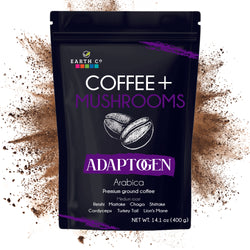
ADAPTOGEN by Earth Co Organics is a functional coffee that combines medicinal mushrooms and adaptogens for stress and focus, using carefully sourced ingredients to deliver meaningful benefits with every cup. When your morning coffee supports both alertness and long-term wellness, you are optimizing your daily routine without adding complexity.
Frequently Asked Questions
Is fruiting body or mycelium better for medicinal mushrooms?
Fruiting body is generally considered superior for medicinal mushrooms because it contains significantly higher concentrations of beta-glucans and other bioactive compounds. Mycelium-on-grain products often contain substantial amounts of grain filler, diluting the active mushroom compounds. Pure mycelium grown in liquid culture without grain can also be effective, but is rare in commercial supplements.
How can I tell if a mushroom supplement uses fruiting body or mycelium?
Check the supplement label for terms like "fruiting body" and specific beta-glucan percentages. Quality products clearly state they use fruiting body and provide certificates of analysis. Avoid products that list "myceliated grain" or "mycelial biomass" as primary ingredients, or that list only "polysaccharides" without specifying beta-glucan content separately.
What are beta-glucans and why do they matter in mushroom supplements?
Beta-glucans are polysaccharides found in mushroom cell walls that activate immune cells including macrophages, dendritic cells, and natural killer cells. Research confirms beta-glucans support immunomodulation and the body's natural defense mechanisms in a dose-dependent manner. Higher beta-glucan content from a verified fruiting body source typically indicates a more potent medicinal mushroom supplement.