The female wellness market represents the fastest-growing segment in the health and wellness industry, with women aged 25 to 45 driving unprecedented demand for functional products. These consumers prioritize prevention over treatment, seek science-backed solutions, and make purchasing decisions for entire households — making them the most influential demographic in wellness today.
Understanding the Female Wellness Market and Its Explosive Growth
The female wellness market encompasses vitamins, minerals, functional foods, adaptogens, collagen supplements, and gut health products predominantly purchased by women. What makes this segment remarkable is not just its size but its trajectory — women are the primary drivers of the functional food and beverage revolution, particularly in the 25 to 45 age bracket.
Research consistently confirms that women demonstrate higher health-seeking behaviors than men. A landmark CDC/NCHS analysis confirmed this pattern numerically: NCHS Data Brief No. 399 (2021) found that among US adults aged 20 and over, dietary supplement use was 63.8% among women compared to 50.8% among men — with women using supplements at significantly higher rates across all age groups. Women aged 20-39 used supplements at 49.0%, rising to 80.2% among women aged 60 and over. This data confirms that women are the primary supplement market — and the gap is growing. For broader context on the supplement market trends driving this growth, see our analysis of the US supplement market in 2026.
Evidence suggests this trend is accelerating. The combination of increased health awareness post-pandemic, better access to health information, and growing dissatisfaction with conventional healthcare has created perfect conditions for the female wellness market to thrive. Women are taking their health into their own hands, and the market is responding.
Why Women Aged 25 to 45 Lead the Female Wellness Market
This demographic sits at a unique intersection of life stages. Women aged 25 to 45 are navigating career demands, family responsibilities, hormonal fluctuations, and the early signs of aging — all while having the disposable income and digital literacy to research and purchase wellness solutions. Clinical studies show that stress, sleep quality, and energy levels are top concerns for this group.
The HPA axis, which regulates the body's stress response through cortisol production, becomes increasingly relevant during these years. Chronic stress can lead to hormonal imbalance and cortisol dysregulation — women in this age bracket are acutely aware of how sustained stress affects their skin, mood, weight, and cognitive performance. This awareness drives demand for adaptogenic solutions that work with the body's stress response rather than against it.
Women in this demographic are highly educated about ingredients. They read labels, research compounds, and want to understand the science behind what they are consuming. This creates both a challenge and an opportunity for brands committed to quality and education — and is exactly why scientific transparency in content matters.
The Science Behind What Female Wellness Consumers Want
Understanding the female wellness market requires understanding female physiology. Women's bodies have different nutritional needs than men's, influenced by menstrual cycles, pregnancy potential, perimenopause, and hormonal fluctuations throughout life. The top evidence-supported categories driving female wellness purchasing:
- Cortisol and stress management: adaptogens like ashwagandha — with RCT evidence confirming cortisol reductions of 27-28% — directly address the chronic stress profile of this demographic
- Gut health: the gut microbiome influences mood, immunity, skin clarity, and hormonal balance — prebiotics, probiotics, and postbiotics address multiple concerns simultaneously
- Skin and collagen: hydrolyzed collagen peptides support fibroblast activity in the dermis, with a 2019 systematic review of 11 RCTs confirming improvements in skin hydration and elasticity
- Sustained energy without jitters: women in this age group prefer steady energy through adaptogens and MCT oil over stimulant spikes and crashes
- Hormonal and digestive balance: products that address multiple interconnected systems — gut-brain axis, HPA axis, gut-skin axis — resonate deeply with this scientifically aware consumer
How Brands Can Serve the Female Wellness Market Authentically
The female wellness market consumer can spot inauthenticity instantly. She has been marketed to her entire life and has developed sophisticated defenses against empty promises. Brands that succeed with this demographic lead with education, back claims with science, and build genuine community around shared values.
Transparency about ingredients and sourcing is non-negotiable. This consumer wants to know where ingredients come from, how they are processed, and what the research says about their efficacy. She appreciates brands that explain mechanisms of action — not just what a product does, but how and why it works at the cellular level.
Multi-functional products appeal to her efficiency-minded approach. Rather than a cabinet full of single-purpose supplements, she gravitates toward solutions that address multiple concerns simultaneously. A morning coffee that supports stress response, provides clean energy, supports gut health, and tastes delicious — that is the kind of innovation that earns her loyalty.
Female wellness consumers also consistently prioritize sustainability and ethical sourcing. They consider the environmental footprint of their purchases and prefer brands whose values align with their own. Explore Earth Co Organics' full functional coffee catalog designed with these principles in mind.
The Intersection of Convenience and Female Wellness
Time scarcity is a defining characteristic of women aged 25 to 45. Between careers, relationships, family obligations, and personal goals, wellness routines need to integrate seamlessly into existing habits. This is why functional foods and beverages have gained such traction in the female wellness market.
The concept is simple: take something you already do every day — like drinking coffee — and enhance it with functional ingredients that support your health goals. No extra steps, no additional time commitment, no complicated protocols. Just a morning ritual elevated with purpose.
Rather than relying on caffeine spikes and crashes, savvy female consumers seek sustained energy that supports their natural rhythms. Compounds like maca root and medicinal mushrooms offer energy support through different mechanisms than caffeine alone, promoting balanced cortisol response and mitochondrial efficiency.
Start Your Functional Wellness Journey Today
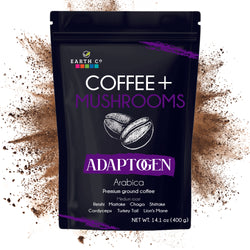
The female wellness market continues to evolve, driven by informed consumers who refuse to compromise on quality, efficacy, or values. ADAPTOGEN by Earth Co Organics is a functional coffee that combines medicinal mushrooms and adaptogens for stress and focus — offering an elegant solution that fits seamlessly into your morning routine. Science-backed ingredients, transparent sourcing, and delicious taste are exactly what the modern female wellness consumer demands.
Frequently Asked Questions
Why are women the primary consumers in the wellness industry?
Women consistently demonstrate higher health-seeking behaviors and supplement use than men across all age groups. CDC/NCHS data confirms women use dietary supplements at 63.8% compared to 50.8% for men. Women are also more likely to serve as household health decision-makers, extending their purchasing influence beyond personal use to family wellness decisions.
What wellness products do women aged 25 to 45 prefer?
Women in this demographic prefer products that address multiple concerns simultaneously — stress management, energy, skin health, and hormonal balance. They gravitate toward clean-label, functional products with transparent ingredient sourcing and scientific backing. Multi-functional formats like functional coffee that replace multiple supplements resonate strongly with their efficiency-focused approach to wellness.
How is the female wellness market expected to grow?
The global women's health market is projected to reach over $60 billion by 2030. Growth drivers include increased awareness of women-specific health needs, demand for personalized nutrition, the rise of functional foods and beverages, and growing post-pandemic health consciousness among the 25-45 demographic that drives the majority of wellness purchasing decisions.
Written by Carlos León, Founder of Earth Co Organics