Turkey Tail: The Most Studied Immunological Mushroom in Oncology and Why It Matters for Daily Wellness
Turkey tail mushroom is a medicinal fungus scientifically known as Trametes versicolor that contains powerful polysaccharides called beta-glucans, which activate and modulate the immune system. This turkey tail mushroom has become the most extensively researched immunological mushroom in cancer care, with over 400 published studies examining its effects on immune function and quality of life in oncology patients. For everyday wellness, these same immunomodulation properties offer profound benefits for anyone seeking to strengthen their natural defenses.
What Makes Turkey Tail Mushroom Unique for Immune Support
Turkey tail stands apart from other medicinal mushrooms due to its exceptionally high concentration of two specific polysaccharides: PSK (polysaccharide-K) and PSP (polysaccharopeptide). Beta-glucans are complex carbohydrates found in fungal cell walls that trigger immune responses by binding to specific receptors on immune cells. When consumed, these compounds communicate directly with your immune system, essentially training it to respond more effectively to threats.
The fruiting body of turkey tail contains the highest concentration of these beneficial compounds. Fruiting body is the visible, fan-shaped mushroom cap that grows on dead logs and trees. Unlike mycelium-based products grown on grain substrates, fruiting body extracts deliver the full spectrum of immunoactive compounds that clinical research has validated.
Immunomodulation is the process by which substances regulate immune function rather than simply stimulating it. This distinction matters because an overactive immune system can be just as problematic as an underactive one. Turkey tail helps calibrate your immune response, supporting balance rather than pushing in one direction.
The Science Behind Turkey Tail and Immune Function
According to a 2012 NIH-funded study published in ISRN Oncology, turkey tail mushroom significantly increased lymphocyte counts and natural killer cell activity in breast cancer patients following standard treatment. This research demonstrated dose-dependent immune enhancement, with higher doses producing more pronounced effects on immune markers.
The mechanism involves pattern recognition receptors on immune cells, particularly dectin-1 and complement receptor 3. When beta-glucans bind to these receptors, they trigger a cascade of immune responses including increased cytokine production and enhanced phagocytosis. Phagocytosis is the process by which immune cells engulf and destroy pathogens and abnormal cells.
A 2007 study in Cancer Immunology, Immunotherapy found that PSK from turkey tail improved survival rates and quality of life markers in patients with gastric and colorectal cancers when used alongside conventional treatment. While these oncology applications require medical supervision, the underlying immune mechanisms apply to everyday wellness in healthy individuals.
Research confirms that consistent consumption of turkey tail beta-glucans can increase secretory IgA, an antibody that protects mucosal surfaces in your respiratory and digestive tracts. This frontline defense represents your body's first barrier against environmental pathogens you encounter daily.
Why Daily Turkey Tail Mushroom Consumption Supports Long-Term Wellness
Your immune system operates continuously, responding to thousands of potential threats each day without your conscious awareness. Supporting this complex system requires consistent nourishment rather than occasional intervention. Evidence suggests that regular intake of immunomodulating compounds like those in turkey tail creates cumulative benefits over time.
Nutrition experts agree that functional foods offering immune support work best as part of daily routines rather than reactive measures. The beta-glucans in turkey tail are not stored in the body long-term, meaning regular consumption maintains their presence in your system. This is why incorporating turkey tail into a morning ritual makes practical sense for sustained immune support.
Clinical studies show that the immunomodulating effects of turkey tail extend beyond simple pathogen defense. These compounds support healthy inflammatory responses, promote gut barrier integrity, and may even influence mood through the gut-brain axis. You can learn more about the science behind our functional ingredients on our ingredients page.
For health-conscious individuals between 25 and 45, maintaining robust immune function supports everything from workout recovery to stress resilience. The adaptogenic qualities of medicinal mushrooms complement their immune benefits, helping your body maintain homeostasis during challenging periods.
How to Incorporate Turkey Tail into Your Daily Routine
The most effective way to consume turkey tail is through hot water extraction, which releases the water-soluble beta-glucans from the tough fungal cell walls. This is why turkey tail pairs exceptionally well with coffee or tea. The brewing process essentially mimics the extraction method used in clinical studies.
Quality matters significantly when choosing turkey tail products. Look for extracts made from fruiting bodies rather than mycelium on grain, as these contain verified levels of active compounds. Third-party testing for beta-glucan content ensures you receive meaningful amounts of the immune-supporting polysaccharides. Browse our shop to find products that meet these quality standards.
Starting your day with turkey tail creates a consistent routine that supports immune function around the clock. The compounds begin interacting with gut-associated lymphoid tissue within hours of consumption, priming your immune cells for the day ahead. Many people report improved resilience to seasonal challenges after several weeks of consistent use.
Combining turkey tail with other adaptogens can create synergistic effects. Medicinal mushrooms like lion's mane, reishi, and cordyceps each offer unique benefits that complement turkey tail's immunomodulation properties. This multi-mushroom approach reflects traditional use patterns that modern research continues to validate.
Understanding Beta-Glucans and Their Role in Immunomodulation
Beta-glucans are polysaccharides composed of glucose molecules linked in specific configurations that your body recognizes as foreign. This triggers what researchers call trained immunity, where innate immune cells develop enhanced responsiveness to future challenges. Unlike adaptive immunity from vaccines, trained immunity works through epigenetic reprogramming of immune cells.
The specific beta-glucan structure in turkey tail features both beta-1,3 and beta-1,6 linkages. These configurations determine which immune receptors are activated and how strongly. Research confirms that this dual structure creates broader immune activation than beta-glucans from other sources like oats or yeast.
Natural killer cells represent one of the most important immune populations affected by turkey tail consumption. These cells patrol your body continuously, identifying and eliminating compromised cells before they can cause problems. Enhanced natural killer cell activity contributes to daily wellness by maintaining vigilant immune surveillance.
The gut microbiome also benefits from turkey tail consumption. Prebiotic fibers in the mushroom feed beneficial bacteria while the immunomodulating compounds support gut-associated immune tissue. This dual action explains why many people report improved digestive comfort alongside immune benefits.
Start Your Immune-Supporting Morning Ritual Today
Building daily wellness habits does not require complicated protocols or expensive interventions. Something as simple as upgrading your morning coffee can deliver meaningful immune support backed by decades of research. The key lies in consistency and choosing products formulated with effective doses of quality ingredients.
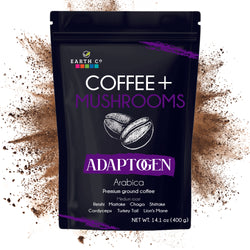
Adaptogen, a functional coffee that combines medicinal mushrooms and adaptogens for stress and focus, offers an effortless way to incorporate turkey tail and other beneficial compounds into your routine. Each cup delivers the beta-glucans and adaptogenic support your immune system needs to function optimally throughout the day.
Discover Adaptogen Functional Coffee
How much turkey tail mushroom should I take daily?
Most clinical studies use between 1 to 3 grams of turkey tail extract daily. For general wellness support, starting with 1 gram per day is considered safe and effective. Always consult your healthcare provider before beginning any new supplement regimen.
Can I take turkey tail mushroom with coffee?
Yes, turkey tail pairs well with coffee and the combination is increasingly popular in functional beverages. The warm temperature does not degrade the beta-glucans responsible for immune benefits. Many people find this an easy way to incorporate turkey tail into their daily routine.
What is the difference between turkey tail mycelium and fruiting body?
The fruiting body is the visible mushroom cap containing higher concentrations of beta-glucans. Mycelium is the root-like network that grows underground or in substrate. Research suggests fruiting body extracts may offer more potent immunomodulation benefits for daily wellness.