Reishi in coffee combines the adaptogenic power of Ganoderma lucidum mushroom with your daily caffeine ritual to support stress resilience, immune function, and balanced energy. Reishi is a medicinal mushroom used for over 2,000 years in traditional Chinese medicine, now backed by modern research for its immunomodulation and cortisol-balancing properties. Adding reishi to coffee may help smooth caffeine's edge while delivering beta-glucans that support your body's natural defenses.
What Is Reishi and Why Put It in Coffee?
Reishi mushroom is a polypore fungus that grows on hardwood trees, prized for its distinctive kidney-shaped fruiting body and bitter, woody taste. Unlike culinary mushrooms, reishi is consumed primarily for its bioactive compounds rather than flavor. The mushroom contains over 400 different bioactive compounds, including triterpenes, polysaccharides, and peptidoglycans that work together to support various body systems.
Beta-glucans are complex polysaccharides found in the cell walls of reishi that interact with immune receptors in your gut lining. These compounds have been studied extensively for their ability to modulate immune response without overstimulating it. When you add reishi to coffee, you create a functional beverage that delivers both immediate alertness and long-term adaptogenic support.
The combination makes biological sense. Coffee provides mental stimulation through adenosine receptor blocking, while reishi works on the HPA axis to help regulate your stress response. This pairing can help you feel alert without the jittery anxiety that sometimes accompanies caffeine consumption.
The Science Behind Reishi in Coffee Benefits
Clinical research on reishi has grown substantially over the past two decades. A 2016 systematic review published in the Cochrane Database of Systematic Reviews (Jin et al., PMC4946216) evaluated five randomized controlled trials of reishi supplementation in cancer patients and found evidence suggesting potential improvements in immune function markers — including increased CD3, CD4, and CD8 lymphocyte percentages — and quality of life when used alongside conventional treatment. The authors rated the overall evidence quality as very low due to methodological limitations and emphasized the need for larger, well-designed trials before firm clinical recommendations can be made.
Evidence suggests that reishi's triterpenes may help support healthy cortisol levels. Cortisol is your body's primary stress hormone, released by the adrenal glands in response to perceived threats. Chronic elevation of cortisol can affect sleep quality, immune function, and cognitive performance. Adaptogens like reishi work by helping normalize this stress response rather than simply suppressing it.
Research also confirms that the beta-glucans in reishi interact with receptors in the gut barrier, which houses approximately 70% of your immune cells. This gut-immune connection is one of the mechanisms through which consistent reishi consumption may support broader immune resilience over time.
Separating Reishi Myths from Reality
The wellness industry has made bold claims about reishi that sometimes outpace the science. Understanding what reishi can and cannot do helps you make informed choices:
- Myth: reishi can cure diseases. Reality: reishi is not a medicine and should never replace conventional treatment. It is best understood as a supportive adaptogen that may help your body maintain balance during stress.
- Myth: all reishi products are the same. Reality: quality varies enormously. Products using mycelium grown on grain contain significant starch filler and lower concentrations of beneficial compounds. The fruiting body contains higher levels of triterpenes and beta-glucans.
- Myth: you will feel reishi working immediately. Reality: adaptogens typically require consistent use over weeks to show their full effects. Reishi's benefits on the HPA axis accumulate gradually — it works best as part of a daily routine.
- Myth: reishi will make you drowsy. Reality: reishi does not cause sedation when taken in normal doses during the day. The calming effect is about reducing stress response, not inducing sleepiness, making it compatible with your morning coffee.
How to Choose Quality Reishi Coffee Products
Not all mushroom coffees deliver meaningful amounts of active compounds. When shopping for reishi in coffee products, look for third-party testing, clear dosage disclosure, and specification of extraction method. Hot water extraction pulls out beta-glucans effectively, while dual extraction (water and alcohol) captures both water-soluble polysaccharides and fat-soluble triterpenes.
Dosage is crucial for experiencing real benefits. Clinical studies typically use between 1.5 to 9 grams of dried reishi or 1 to 1.5 grams of extract daily. If a product does not tell you how much reishi it contains per serving, that is a red flag. Transparency about ingredients and amounts reflects a company's commitment to efficacy over marketing.
Consider what other adaptogens accompany the reishi. Combinations with ashwagandha, lion's mane, or rhodiola can create synergistic effects on stress resilience and cognitive performance. Explore Earth Co Organics' full functional coffee catalog to compare formulations designed for different wellness goals.
Understanding Neuroplasticity and Long-Term Reishi in Coffee Benefits
One of the most exciting areas of adaptogen research involves their potential effects on neuroplasticity — your brain's ability to form new neural connections and adapt throughout life. Chronic stress impairs neuroplasticity by keeping cortisol elevated and reducing brain-derived neurotrophic factor (BDNF). By supporting a healthier stress response, adaptogens like reishi may indirectly support better cognitive flexibility and resilience over time.
Reishi's beta-glucans may also support gut microbiome diversity through immune-modulating interactions with gut-associated lymphoid tissue. These mechanisms connect mushroom science with the emerging gut-brain axis research that links digestive health with cognitive and emotional wellbeing.
Start Your Reishi Coffee Ritual with Earth Co Organics
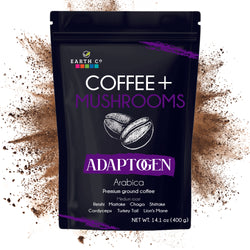
If you are ready to experience reishi in coffee benefits for yourself, quality and consistency matter most. ADAPTOGEN by Earth Co Organics delivers meaningful doses of reishi alongside complementary adaptogenic ingredients designed to support your daily performance — formulated for people who want real results, not just trendy labels.
Frequently Asked Questions
Does reishi mushroom actually work in coffee?
Yes, reishi retains its bioactive compounds when added to coffee. The beta-glucans and triterpenes remain stable at typical brewing temperatures, allowing you to receive the adaptogenic benefits alongside your morning caffeine. Quality of extract matters more than presence on the label — look for fruiting body extracts with disclosed beta-glucan percentage.
How much reishi should be in functional coffee?
Most clinical studies showing benefits use between 1.5 to 3 grams of reishi extract daily. Look for functional coffees that disclose their dosage per serving and use fruiting body extracts rather than mycelium-on-grain fillers, which can contain up to 60-70% starch from the growing substrate.
Can reishi in coffee help with stress and sleep?
Research suggests reishi may help modulate the HPA axis and support a balanced stress response. When combined with coffee, it may help smooth out caffeine's stimulating effects while promoting calm focus throughout the day. Benefits typically accumulate over weeks of consistent use rather than appearing immediately.