Maitake mushroom is a powerful medicinal fungus that supports both metabolic health and immune function through its unique beta-glucan compounds. While reishi and lion's mane dominate wellness conversations, maitake quietly delivers some of the most impressive research-backed benefits for blood sugar regulation and immunomodulation. This underrated adaptogenic mushroom deserves a place in your daily routine.
What Is Maitake Mushroom and Why Does It Matter?
Maitake, scientifically known as Grifola frondosa, is a polypore mushroom that grows at the base of oak trees in temperate forests. The name "maitake" translates to "dancing mushroom" in Japanese, reportedly because foragers would dance with joy upon discovering this valuable fungus. Beta-glucans are complex polysaccharides found in the cell walls of fungi that interact with immune receptors in the human body.
What sets maitake apart from other medicinal mushrooms is its unique D-fraction and SX-fraction compounds. These specialized beta-glucan extracts have been the subject of research for their effects on immune activation and glucose metabolism. The fruiting body of maitake contains significantly higher concentrations of these beneficial compounds compared to mycelium grown on grain substrates.
The Science Behind Maitake Mushroom and Immune Health
Immunomodulation is the process by which substances regulate immune system activity, either enhancing or suppressing specific responses. A 2003 non-randomized clinical study published in the Journal of Medicinal Food (Kodama et al., PMID 14977447) found that maitake D-fraction administration in cancer patients maintained peripheral blood NK cell activity and showed immune-activating effects on CD4+ and CD8+ cells. The authors noted that D-fraction may help maintain immune cell function, though the study had significant limitations: it was non-randomized, unblinded, and included only 10 patients. Larger controlled trials are needed to confirm these findings.
The beta-glucans in maitake bind to receptors on macrophages and dendritic cells, triggering immune activation cascades. Evidence from multiple preclinical studies confirms that maitake extract can stimulate production of interleukins and other cytokines that coordinate immune responses.
Unlike synthetic immune stimulants that can overstimulate the system, maitake works through balanced immunomodulation. Evidence suggests this approach helps your body respond to threats without triggering excessive inflammation.
How Maitake Mushroom Supports Metabolic Health
The metabolic benefits of maitake mushroom are perhaps its most underappreciated quality. A review published in the Journal of Diabetes & Metabolic Disorders (PMC3615842) summarized evidence that the SX-fraction from maitake demonstrated hypoglycemic and anti-diabetic activity in both animal models and a limited clinical study of type 2 diabetic patients. The SX-fraction appears to enhance insulin signal transduction at the cellular level, improving glucose uptake efficiency.
Maintaining stable blood sugar is foundational to overall metabolic health. When cells respond better to insulin, glucose enters cells more efficiently for energy production in the mitochondria. This improved glucose uptake means less sugar circulating in your bloodstream and more consistent energy throughout the day. Explore Earth Co Organics' full functional coffee catalog to find blends that incorporate adaptogenic mushrooms.
Maitake may also support healthy cholesterol levels and satiety through its fiber content and bioactive compounds, though larger controlled trials in humans are needed to confirm these effects definitively.
Maitake Mushroom vs. Other Medicinal Mushrooms
While lion's mane focuses primarily on cognitive health, and reishi is celebrated for stress adaptation and sleep support, maitake uniquely bridges immune and metabolic benefits. Each medicinal mushroom contains different ratios and types of beta-glucans, which explains their varying effects on the body. Understanding these differences helps you choose the right mushroom for your specific health goals:
- Maitake (Grifola frondosa): D-fraction for immunomodulation, SX-fraction for blood sugar regulation — uniquely dual-action
- Lion's mane (Hericium erinaceus): NGF stimulation, cognitive health, and gut-brain axis support
- Reishi (Ganoderma lucidum): stress adaptation, sleep support, and general immune balance
- Cordyceps: ATP production, oxygen utilization, and athletic performance support
- Turkey tail (Trametes versicolor): PSK/PSP polysaccharides, immune support with the most human clinical trial evidence
The ideal approach for many people is combining multiple medicinal mushrooms to access a broader spectrum of benefits. This is why functional blends that include maitake alongside other adaptogens have become increasingly popular among wellness enthusiasts.
Choosing Quality Maitake Mushroom Products
Not all maitake supplements deliver equal benefits. The fruiting body contains far more beta-glucans than products made from mycelium grown on grain substrates. When evaluating maitake products, look for third-party testing that verifies beta-glucan content and screens for heavy metals and contaminants.
Extraction methods matter significantly for bioavailability. Hot water extraction releases water-soluble beta-glucans, while dual extraction captures both water-soluble and alcohol-soluble compounds. The form you choose depends on your lifestyle and preferences — whole dried maitake for culinary use, powdered extracts for smoothies or coffee, or capsules for travel convenience.
Incorporating Maitake Mushroom Into Your Daily Routine
Consistency matters more than quantity when it comes to medicinal mushrooms. Research indicates that regular daily consumption produces better results than occasional large doses — most clinical studies used daily supplementation over several weeks to months. Starting with a smaller amount and gradually increasing allows you to observe how your body responds.
Morning is often the ideal time to consume maitake, as it pairs well with your natural cortisol awakening response. Many people find that adding maitake to their morning coffee or tea creates a sustainable daily habit. The earthy, mild flavor of maitake blends well with coffee's natural bitterness.
Those managing blood sugar concerns may benefit from taking maitake with meals to support post-meal glucose response. Athletes and active individuals might prefer taking maitake post-workout when immune function can be temporarily suppressed after high-intensity exercise.
Experience the Benefits of Maitake Mushroom in Functional Coffee
Maitake mushroom represents one of nature's most researched solutions for supporting metabolic and immune health simultaneously. By choosing high-quality maitake products from fruiting body sources and consuming them consistently, you invest in long-term wellness that compounds over time.
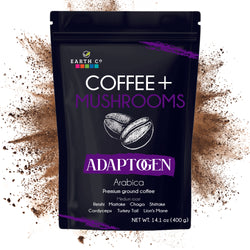
ADAPTOGEN by Earth Co Organics is a functional coffee that combines medicinal mushrooms and adaptogens for stress and focus. This thoughtfully formulated blend makes incorporating powerful ingredients like maitake into your daily routine as simple as brewing your morning cup.
Frequently Asked Questions
How does maitake mushroom support the immune system?
Maitake contains beta-glucans, particularly its D-fraction, that activate immune cells including macrophages, T cells, and natural killer cells. Clinical research shows this immunomodulation effect helps maintain immune cell activity, though most studies to date have been small and non-randomized — larger controlled trials are ongoing.
Can maitake mushroom help with blood sugar control?
Research in animal models and a limited clinical study suggests maitake's SX-fraction may improve insulin sensitivity and help regulate blood glucose levels by enhancing the insulin signal transduction pathway. Evidence is promising but preliminary — consult your healthcare provider before using maitake specifically for blood sugar management, especially if you take diabetes medications.
What is the best way to consume maitake for health benefits?
Maitake can be consumed fresh, dried, or as an extract in supplements and functional foods. Look for products that use the fruiting body rather than just mycelium for maximum beta-glucan content, and prioritize products with third-party testing that verifies beta-glucan concentration and purity.