The future of coffee in the US is shifting toward functional coffee and specialty offerings as consumers demand more from their daily cup. While commodity supermarket coffee will remain accessible, evidence suggests that health-conscious Americans increasingly want coffee that delivers targeted benefits like stress resilience, gut support, or sustained energy. This evolution reflects broader wellness trends transforming how we think about everyday beverages.
Understanding the Future of Coffee in the US Market
The American coffee landscape is undergoing a fundamental transformation. For decades, commodity coffee dominated kitchen counters across the country, prioritizing convenience and affordability over quality or health benefits. Today, a new generation of coffee drinkers is rewriting the rules, demanding transparency, functionality, and superior taste experiences.
A 2021 comprehensive review published in Nutrients (Rodak et al., PMC8467199) documented caffeine's multi-directional influence on the human body — including its anti-oxidative properties and effects on the central nervous, immune, and digestive systems. Beyond caffeine itself, coffee's polyphenols and chlorogenic acids have demonstrated antioxidant and anti-inflammatory properties in the broader scientific literature, providing the scientific foundation for functional coffee innovation.
The coffee market now segments into three distinct categories: commodity supermarket coffee focused on price, specialty coffee focused on origin and craft, and functional coffee focused on health outcomes. Each serves different consumer motivations, but functional coffee is experiencing the fastest growth among wellness-oriented demographics aged 25 to 45.
The Rise of Functional Coffee: More Than Just Caffeine
Functional coffee is coffee infused with bioactive ingredients designed to deliver specific health benefits beyond basic energy. These additions might include adaptogens for stress management, prebiotics for gut microbiome support, collagen peptides for skin elasticity, or medicinal mushrooms containing beta-glucans for immunomodulation. The category transforms coffee from a simple stimulant into a daily wellness ritual.
Research confirms that combining coffee with complementary compounds can enhance cognitive performance while mitigating potential downsides like cortisol spikes or energy crashes. Adaptogens like ashwagandha help regulate the HPA axis, the body's central stress response system, potentially smoothing out the stimulating effects of caffeine.
Multiple randomized controlled trials confirm that adaptogenic herbs modulate cortisol levels and support the body's resilience to physical and mental stressors. A landmark double-blind RCT published in the Indian Journal of Psychological Medicine (Chandrasekhar et al., PMC3573577) found that ashwagandha supplementation produced a 27.9% reduction in serum cortisol compared to placebo in chronically stressed adults. When paired with coffee, these compounds create a more balanced energy experience.
Functional coffee appeals to consumers who want to optimize their daily routines without adding supplements or complicated regimens. One cup can simultaneously deliver caffeine, targeted nutrition, and wellness benefits — remarkably efficient for busy lifestyles.
Specialty Coffee: The Craft Movement's Role in the Future of Coffee
Specialty coffee refers to beans scored 80 points or above on a 100-point scale by certified Q graders, representing the top tier of quality, flavor complexity, and ethical sourcing. This segment has grown substantially as consumers develop more sophisticated palates and demand transparency about where their coffee originates.
The specialty movement emphasizes single-origin beans, direct trade relationships with farmers, and artisanal roasting techniques that highlight unique flavor profiles. The terminology reflects this depth: terroir, processing methods, elevation, and varietal all influence the final cup experience.
However, specialty coffee primarily delivers an enhanced taste experience rather than targeted health benefits. For consumers whose priority is flavor exploration and supporting sustainable farming practices, specialty coffee represents the pinnacle of the category. The limitation lies in its singular focus — while the beans contain beneficial polyphenols and antioxidants, the format does not allow for customization toward specific wellness goals like gut barrier support or skin health. Explore Earth Co Organics' full functional coffee catalog to see how quality and wellness can coexist.
Commodity Supermarket Coffee: The Accessible Option
Commodity coffee remains the most accessible and affordable option for American consumers, representing the largest volume of coffee sales nationwide. These products prioritize consistency, convenience, and low price points, often blending beans from multiple origins to achieve a uniform flavor profile that appeals to mass-market tastes.
The trade-offs are significant. Commodity coffee typically uses lower-grade beans, may involve less transparent supply chains, and offers no additional health benefits beyond basic caffeine content. For consumers simply seeking an affordable morning ritual without wellness goals, commodity coffee serves its purpose adequately.
Yet the gap between commodity coffee and functional alternatives continues to widen as research illuminates the potential of coffee as a delivery system for beneficial compounds. Basic supermarket blends increasingly represent missed opportunities for daily health optimization.
What Health-Conscious Consumers Really Want from the Future of Coffee
Evidence suggests that today's health-conscious consumers aged 25 to 45 prioritize products that multitask. They want their morning coffee to support energy levels, promote cognitive clarity, and align with broader wellness goals. This demographic reads ingredient labels, researches clinical studies, and makes purchasing decisions based on verifiable benefits.
Research confirms that the broader body of evidence on coffee consumption is encouraging — a landmark umbrella review in the Annual Review of Nutrition (Grosso et al., PMID 28826374) analyzing 112 meta-analyses found coffee consumption associated with probable decreased risk of cardiovascular disease, type 2 diabetes, Parkinson's disease, and several cancers. Functional coffee builds on this foundation by adding ingredients that amplify specific outcomes.
The future of coffee in the US will likely see all three categories coexisting, but functional coffee captures the fastest-growing consumer segment. These buyers are willing to pay premium prices for products that deliver measurable results, from supporting amino acid intake for muscle protein synthesis to providing short-chain fatty acids for gut health.
Making the Switch to Functional Coffee
Transitioning from commodity or even specialty coffee to functional alternatives requires minimal adjustment. The taste experience remains recognizably coffee, while the added benefits accumulate over consistent daily use. Most functional coffees are designed to replace your existing cup rather than add another step to your routine.
When evaluating functional coffee products, look for these quality indicators:
- Transparent ingredient amounts: exact doses disclosed, not hidden in proprietary blends
- Clinically studied ingredients: compounds with peer-reviewed human RCT evidence at the doses used
- Third-party testing: independent verification of potency and purity claims
- Clear wellness target: each product should address a specific, evidence-based health goal
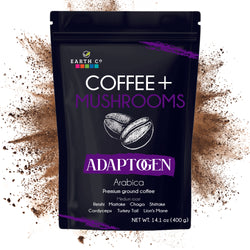
ADAPTOGEN by Earth Co Organics is a functional coffee that combines medicinal mushrooms and adaptogens for stress and focus. The formula supports healthy cortisol response while delivering smooth, sustained energy without the jitters or afternoon crash associated with standard coffee.
Start Your Functional Coffee Journey Today
The future of coffee in the US is already here, and it tastes like possibility. Functional coffee represents the convergence of ancient herbal wisdom, modern nutritional science, and the daily ritual billions of people already love. By choosing coffee enhanced with bioactive ingredients, you transform an ordinary habit into an extraordinary wellness practice.
Earth Co Organics creates functional coffees designed for health-conscious Americans who refuse to compromise between taste and benefits. Every cup delivers organic coffee alongside carefully selected ingredients backed by clinical research and formulated for real results.
Frequently Asked Questions
What is functional coffee and how is it different from regular coffee?
Functional coffee is coffee enhanced with bioactive ingredients like adaptogens, prebiotics, collagen, or mushroom extracts to deliver specific health benefits beyond caffeine. Unlike regular coffee that provides only energy, functional coffee targets goals like gut health, stress resilience, or cognitive performance through ingredients selected based on clinical evidence.
Is specialty coffee worth the higher price?
Specialty coffee offers superior flavor profiles, ethical sourcing, and higher quality beans scored 80 or above by certified tasters. For consumers who prioritize taste experience and sustainability, the premium price reflects real differences in bean quality, farming practices, and roasting expertise.
Will functional coffee replace traditional coffee in the US?
Functional coffee is unlikely to fully replace traditional coffee but will capture significant market share among health-conscious consumers. The trend suggests coexistence where functional, specialty, and commodity coffees serve different consumer needs and occasions.