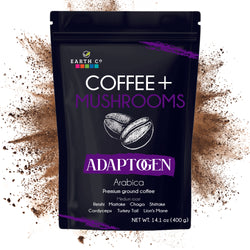
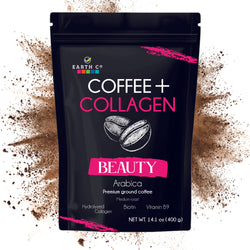
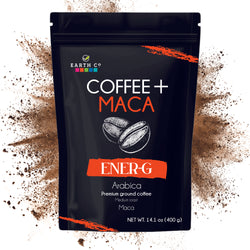
Functional supplementation makes sense when products contain clinically studied ingredients at effective dosages, address a specific health need you have, and come from transparent brands with third-party testing. It becomes marketing spend when products rely on proprietary blends, trendy buzzwords without research backing, or promise miracle results that science does not support. Understanding this distinction helps you invest wisely in your health rather than funding advertising budgets.
What Is Functional Supplementation and Why Does It Matter?
Functional supplementation is the practice of using targeted nutrients, botanicals, or bioactive compounds to support specific physiological functions beyond basic nutrition. Unlike traditional multivitamins that aim to prevent deficiencies, functional supplements target particular health outcomes like cognitive performance, stress resilience, gut microbiome balance, or mitochondrial energy production.
The functional food and supplement market has grown substantially — valued at approximately $306 billion in 2022 and projected to reach $678 billion by 2032 according to industry data — as consumers seek proactive health solutions beyond pharmaceuticals. This growth means more options but also more products designed to capitalize on trends rather than deliver results. Research confirms that certain functional ingredients genuinely support health outcomes when used correctly — the challenge lies in separating evidence-based products from those riding the wellness wave with impressive packaging and hollow promises. To understand how to evaluate whether a functional ingredient is actually working in your body, see our guide on how to know if a functional ingredient is actually working.
Signs That Functional Supplementation Is Worth Your Investment
The first indicator of a worthwhile supplement is ingredient transparency. Products should clearly list every ingredient with its exact dosage — avoiding proprietary blends that hide how much of each compound you actually receive. Clinical studies typically use specific amounts of active ingredients, and your supplement should match these research-backed dosages. The key quality markers to verify before purchasing:
- Exact ingredient amounts: milligram quantities listed for every active ingredient — not hidden in "proprietary blend" totals
- Third-party testing certification: NSF International, USP, or Informed Sport verification that the product contains what it claims and is free from contaminants
- Clinically relevant doses: amounts matching those used in published human RCTs — not token quantities that allow an ingredient to appear on the label
- Bioavailability-optimized forms: hydrolyzed collagen rather than whole collagen, methylfolate rather than folic acid for MTHFR variants, fruiting body mushroom extracts rather than mycelium on grain
- Transparent sourcing: origin and extraction methods disclosed — particularly important for adaptogenic herbs and medicinal mushrooms where quality varies enormously
According to the NIH Office of Dietary Supplements, supplement quality varies significantly across the market, making informed consumer choices essential for actual health benefits rather than placebo effects. Explore Earth Co Organics' full functional coffee catalog to see how these principles are applied in practice.
Red Flags That Signal Marketing Over Substance
Proprietary blends top the list of marketing tactics that should raise suspicion. When a label shows a combined weight for multiple ingredients without individual amounts, you cannot verify whether each component reaches therapeutic levels. Companies use proprietary blends to include popular ingredients at trace amounts while legally listing them on the label — a practice sometimes called "fairy dusting."
Miracle claims and rapid transformation promises indicate marketing over science. Real physiological changes take time — whether building collagen in the dermis, rebalancing the HPA axis stress response, or cultivating beneficial gut bacteria. Products promising overnight results contradict how human biology actually works. Celebrity endorsements and influencer partnerships often signal that marketing budget exceeds research investment. The red flags to watch for:
- Proprietary blends: combined ingredient weights without individual amounts — cannot verify therapeutic dosing
- Vague benefit claims: "supports wellness," "promotes balance" without specific mechanisms or evidence citations
- Rapid transformation promises: results that contradict physiological timelines — collagen takes 8-12 weeks, adaptogenic benefits take 4-8 weeks
- Trendy ingredients at trace doses: fashionable adaptogens or mushrooms paired with artificial sweeteners, fillers, or inflammatory oils that undermine potential benefits
- No third-party testing: absence of independent verification that label claims match actual contents
The Science-Backed Ingredients Worth Seeking Out
Adaptogens are botanical compounds that help modulate your stress response by supporting the HPA axis. Research on ashwagandha, rhodiola, and medicinal mushrooms shows genuine effects on cortisol regulation and stress resilience when used at appropriate dosages over consistent daily use. Beta-glucans from mushroom fruiting bodies demonstrate immunomodulation effects studied extensively across multiple human trials.
Prebiotics and postbiotics support gut microbiome health through different mechanisms. Prebiotics feed beneficial bacteria while postbiotics are the metabolic byproducts — short-chain fatty acids, butyrate, and antimicrobial peptides — that directly benefit intestinal barrier function. Published reviews in Microorganisms and Nutrients confirm that postbiotics offer significant applications for gut barrier integrity and immune function, with the advantage of heat stability and consistent dosing that live probiotics cannot provide. A comprehensive review on biotics and intestinal integrity (PMC12156228) confirmed that postbiotics offer non-viable microbial components and metabolites that mimic probiotic benefits with enhanced safety profiles — strengthening the gut barrier through SCFA production and tight junction upregulation.
Collagen peptides have demonstrated effects on skin elasticity and dermal health in multiple clinical trials — the key is hydrolyzed forms that stimulate fibroblast activity. MCT oil provides readily available ketone fuel for cognitive performance. The consistent thread across all evidence-based functional ingredients is specific mechanisms of action, documented in human RCTs at reproducible doses.
How to Evaluate Functional Supplementation for Your Needs
Start by identifying your specific health goals rather than chasing general wellness promises. Are you targeting stress resilience, cognitive clarity, gut health, skin appearance, or sustained energy? Different goals require different functional ingredients, and a scattered approach wastes money while diluting potential benefits. Research the specific ingredients relevant to your goal before evaluating products — understand what dosages clinical studies used and what delivery methods optimize absorption.
Consider the delivery format and how it fits your lifestyle. The most effective supplement is one you actually take consistently. Functional coffees integrate supplementation into an existing daily habit, improving compliance compared to standalone pills or powders that require separate preparation and conscious decision-making. Calculate the cost per effective dose rather than the cost per container — a cheaper product with underdosed ingredients costs more per unit of benefit than a premium product delivering therapeutic amounts.
Making Functional Supplementation Work for You
The distinction between worthwhile investment and marketing spend ultimately comes down to education and intention. Functional supplementation makes sense when you approach it with specific goals, research-backed expectations, and a commitment to quality over hype. It becomes wasteful when you purchase based on trends, influencer recommendations, or packaging design without verifying the science underneath.
At Earth Co Organics, we believe functional supplementation should integrate seamlessly into your daily routine while delivering transparent, research-supported benefits. Digest Pro by Earth Co Organics is a functional coffee that combines prebiotics and postbiotics for gut health — exemplifying our approach of merging evidence-based ingredients with a ritual you already love. Your health investment deserves to support your body rather than someone's advertising budget.
Written by Carlos León, Founder of Earth Co Organics
Frequently Asked Questions
How do I know if a supplement is backed by real science?
Look for supplements that cite specific clinical studies with named PMIDs or DOIs, use standardized dosages that match research protocols, and display third-party testing certifications from NSF International, USP, or Informed Sport. Avoid products that rely solely on testimonials, vague wellness claims without mechanisms, or proprietary blends that hide individual ingredient amounts — these are the clearest signals that marketing budget exceeds research investment.
Are expensive supplements always better than cheaper alternatives?
No — price should reflect ingredient quality, bioavailability optimization, and third-party testing rather than elaborate marketing. Some affordable supplements use clinically effective doses of well-researched ingredients while expensive products may contain underdosed proprietary blends. Evaluate cost per effective dose rather than cost per container, and verify that ingredient amounts match those used in published human RCTs rather than token quantities that allow label listing without therapeutic effect.
What functional ingredients have the strongest research support?
Ingredients with robust clinical evidence include adaptogens like ashwagandha (cortisol reduction confirmed in multiple RCTs at 300-600mg/day), prebiotics and postbiotics for gut microbiome health and barrier integrity, hydrolyzed collagen peptides for skin elasticity (confirmed in 11-RCT systematic review), and beta-glucans from medicinal mushroom fruiting bodies for immunomodulation. The consistent thread is specific mechanisms of action documented in human RCTs at reproducible, clinically relevant doses.