Functional Coffee and Pregnancy: Which Earth Co Lines Are Compatible and Which Are Not
Functional coffee and pregnancy compatibility depends entirely on the specific ingredients in each blend. While moderate caffeine consumption is generally considered safe during pregnancy, certain functional additives like adaptogens and medicinal mushrooms lack sufficient safety data for pregnant women and should be avoided. Always consult your healthcare provider before consuming any functional coffee during pregnancy.
Understanding Functional Coffee and Pregnancy Safety
Pregnancy changes everything about how your body processes what you consume. Caffeine crosses the placenta and metabolizes more slowly during pregnancy, meaning it stays in your system longer. This is why understanding functional coffee and pregnancy guidelines matters so much for expecting mothers who want to maintain their coffee ritual safely.
Functional coffee is coffee enhanced with additional bioactive ingredients designed to provide specific health benefits beyond the energy boost of caffeine alone. These additions can range from collagen peptides and prebiotics to medicinal mushrooms and adaptogenic herbs. The safety profile of each functional coffee depends heavily on these added ingredients.
The American College of Obstetricians and Gynecologists recommends that pregnant women limit caffeine intake to less than 200mg per day. According to a 2021 study published in BMC Medicine, moderate caffeine consumption within these guidelines was not associated with adverse pregnancy outcomes in most research. However, this guidance applies only to caffeine itself, not to the additional functional ingredients.
Which Earth Co Products Are Generally Compatible with Pregnancy
When evaluating functional coffee and pregnancy compatibility, we need to examine each ingredient individually. Some Earth Co formulations contain ingredients with established safety profiles, while others include compounds that lack sufficient research in pregnant populations.
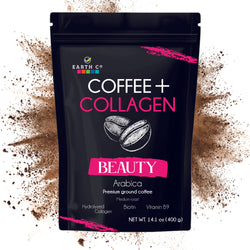
Beauty, a functional coffee that combines hydrolyzed collagen and biotin for skin, hair, and nails, contains ingredients that are generally considered compatible with pregnancy when caffeine limits are observed. Hydrolyzed collagen peptides are amino acids, the building blocks of protein that your body already produces and uses. Biotin is a B-vitamin that many prenatal supplements include.
Digest Pro, a functional coffee that combines prebiotics and postbiotics for gut health, also features ingredients with favorable safety profiles. Prebiotics are dietary fibers that support beneficial gut bacteria, and postbiotics are metabolic byproducts of probiotic bacteria. These compounds support the gut microbiome and gut barrier function without the concerns associated with live bacteria or stimulating herbs.
Coffee + Protein, a functional coffee that combines whey protein isolate with organic coffee for muscle support, provides amino acids essential for muscle protein synthesis. Whey protein isolate is a well-studied protein source rich in leucine and other essential amino acids. Protein needs actually increase during pregnancy, making this a potentially suitable option within caffeine limits.
Earth Co Products to Avoid During Pregnancy
Several Earth Co formulations contain ingredients that healthcare providers generally recommend avoiding during pregnancy due to insufficient safety data. This is not necessarily because these ingredients are harmful, but because adequate research in pregnant populations simply does not exist.
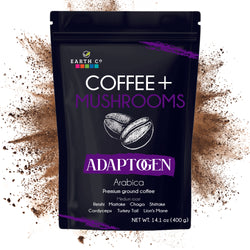
Adaptogen, a functional coffee that combines medicinal mushrooms and adaptogens for stress and focus, contains compounds that influence the HPA axis and cortisol levels. Adaptogens work by modulating your stress response and may affect neuroplasticity and hormone regulation. According to research published in the Journal of Alternative and Complementary Medicine, while adaptogens show promise for stress management, their effects on fetal development have not been adequately studied.
Immune, a functional coffee that uses postbiotics to support your immune system, may contain ingredients designed to trigger immunomodulation. During pregnancy, your immune system undergoes natural changes to protect the developing baby. Compounds that significantly alter immune function should be approached with caution.
FOCUS, a functional coffee that combines MCT oil and turmeric for cognitive performance and mental clarity, contains turmeric in concentrated form. While culinary amounts of turmeric are generally safe, concentrated curcumin supplements may stimulate uterine contractions. MCT oil itself is typically considered safe, but the combination warrants discussion with your healthcare provider.
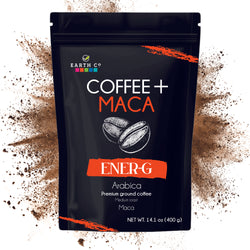
Energy, a functional coffee that combines maca root for sustained energy without the crash, contains an adaptogenic herb. Maca root has been used traditionally in Peru for centuries, but clinical studies on its safety during pregnancy are lacking. Evidence suggests caution until more research becomes available.
The Science Behind Pregnancy Caffeine Guidelines
Understanding why caffeine guidelines exist helps you make informed decisions about functional coffee and pregnancy. During pregnancy, caffeine half-life increases dramatically. What normally takes 4-6 hours to metabolize can take up to 15 hours during the third trimester.
Caffeine readily crosses the placenta, and the developing fetus lacks the enzymes needed to metabolize it efficiently. This means caffeine exposure to your baby lasts much longer than your own exposure. Research confirms that staying within the 200mg daily limit helps minimize fetal caffeine exposure.
The mitochondria in developing cells require stable conditions to produce ATP efficiently. Excessive caffeine may interfere with adenosine receptors in ways we don't fully understand in developing systems. This is why nutrition experts agree that moderation remains the wisest approach.
How to Enjoy Coffee Safely During Pregnancy
If you choose to include compatible functional coffee options during pregnancy, a few strategies help maximize safety while maintaining your morning ritual. First, know exactly how much caffeine each serving contains and track your total daily intake from all sources.
Consider that caffeine appears in chocolate, tea, some medications, and soft drinks. Your functional coffee may fit perfectly within guidelines, but cumulative intake matters. Keep a mental tally throughout the day to stay comfortably under 200mg total.
Clinical studies show that timing matters too. Consuming caffeine earlier in the day allows more time for metabolism before sleep. Quality rest supports healthy pregnancy outcomes, so avoiding afternoon caffeine benefits both you and your developing baby.
Browse the Earth Co collection to find formulations that align with your pregnancy wellness goals. Each product page includes complete ingredient information and serving sizes to help you calculate caffeine intake accurately.
Start Your Morning Right with Pregnancy-Compatible Options
Navigating functional coffee and pregnancy doesn't mean giving up your coffee ritual entirely. With informed choices and guidance from your healthcare provider, you can select formulations with established safety profiles while staying within recommended caffeine limits. Beauty, a functional coffee that combines hydrolyzed collagen and biotin for skin, hair, and nails, offers a pregnancy-compatible option that supports your changing body while delivering the coffee experience you love.
Remember that every pregnancy is unique, and what works for one person may not be appropriate for another. Always discuss any dietary changes with your healthcare team. They can provide personalized guidance based on your individual health history and pregnancy needs.
Explore Pregnancy-Compatible Functional Coffee Options
How much caffeine is safe during pregnancy?
Most health organizations recommend limiting caffeine intake to 200mg per day during pregnancy. This is roughly equivalent to one 12-ounce cup of coffee. Staying within this limit has not been associated with increased pregnancy risks in most studies.
Why should pregnant women avoid adaptogens?
Adaptogens like ashwagandha and certain medicinal mushrooms have not been adequately studied in pregnant populations. Some adaptogens may influence hormone levels or stimulate uterine activity, which could theoretically pose risks. Until more research is available, healthcare providers generally advise avoiding these compounds during pregnancy.
Can I drink collagen coffee while pregnant?
Hydrolyzed collagen peptides are generally considered safe during pregnancy as they are simply broken-down protein. However, you should always consult your healthcare provider before adding any supplement to your pregnancy routine. Keep total caffeine intake within recommended limits.