Folic acid and folate are both forms of vitamin B9, but they differ significantly in chemical structure, absorption, and how your body processes them. Folate is the naturally occurring form found in foods like leafy greens and legumes, while folic acid is the synthetic version used in supplements and fortified foods. Understanding why folic acid and folate are not the same thing can help you make smarter choices about your nutrition and daily coffee ritual.
Why Folic Acid and Folate Are Not the Same Thing: The Science
Folate is the umbrella term for vitamin B9 compounds that occur naturally in whole foods. When you eat spinach, asparagus, or black beans, you consume folate in its food-bound polyglutamate form. Your digestive system breaks this down into monoglutamate before absorption in the small intestine.
Folic acid is a synthetic compound created in laboratories. It requires enzymatic conversion by your liver to become metabolically active. This conversion process involves the enzyme dihydrofolate reductase (DHFR), which transforms folic acid into dihydrofolate, then tetrahydrofolate, and finally into the active form called 5-methyltetrahydrofolate (5-MTHF).
The bioavailability difference between food folate and folic acid is meaningful but smaller than previously assumed. A dietary intervention study published in the American Journal of Clinical Nutrition (Konings et al.) enrolled 72 healthy adults and found that bioavailability of food folate relative to folic acid was approximately 78-85% — significantly higher than earlier estimates suggested. This means food folate is a highly effective source when dietary intake is adequate, though conversion capacity still varies dramatically between individuals. For more on how nutrient absorption and muscle protein synthesis interact in functional coffee, see our guide on protein coffee, muscle gain, and proffee.
The MTHFR Gene Factor
Your genetic makeup significantly influences how efficiently you process vitamin B9. The MTHFR gene provides instructions for producing the methylenetetrahydrofolate reductase enzyme, which completes the final conversion step to active folate. Methylation is the biochemical process where methyl groups are transferred between molecules, enabling countless cellular functions including DNA synthesis, neurotransmitter production, and homocysteine regulation.
MTHFR gene variants are remarkably common. According to the NIH information on MTHFR gene variants, approximately 25% of Hispanic individuals and 10-15% of Caucasians carry two copies of the C677T variant, which can reduce MTHFR enzyme activity by up to 70%. For these individuals, consuming large amounts of synthetic folic acid may not provide adequate active folate — unmetabolized folic acid can accumulate in the bloodstream, potentially masking vitamin B12 deficiency and creating other metabolic concerns.
Clinical studies show that methylfolate supplements (5-MTHF) bypass the MTHFR conversion step entirely, delivering ready-to-use vitamin B9 directly to your cells. This is particularly relevant for the significant portion of the population with reduced MTHFR enzyme activity.
Vitamin B9 and Your Daily Coffee
Coffee beans naturally contain small amounts of B vitamins, including trace folate. The roasting process affects nutrient content, with lighter roasts generally preserving more micronutrients than darker roasts. While coffee alone cannot meet your vitamin B9 needs, it contributes to your overall intake as part of a balanced diet.
What makes functional coffee interesting is the opportunity to enhance your morning routine with targeted nutrients. Homocysteine is an amino acid that, when elevated, serves as a marker for cardiovascular risk — adequate B vitamins, including folate, help maintain healthy homocysteine levels by supporting its conversion to methionine. Evidence suggests that pairing coffee with nutrient-dense foods or functional ingredients can support overall nutritional status. The polyphenols in coffee may also enhance certain aspects of nutrient metabolism when consumed as part of a complete breakfast. Explore Earth Co Organics' full functional coffee catalog to see products formulated with ingredient quality in mind.
Signs You Might Need More Vitamin B9
Folate deficiency can manifest in subtle ways before progressing to more serious symptoms. The key signs and risk factors to be aware of:
- Early symptoms: persistent fatigue, irritability, and difficulty concentrating — these overlap with many conditions, making proper testing essential
- Megaloblastic anemia: more pronounced deficiency leads to abnormally large red blood cells that cannot function properly — symptoms include shortness of breath, muscle weakness, and neurological changes like numbness or tingling
- Neural tube defects: serious birth defects affecting the brain and spine — prevented with adequate maternal folate intake before and during early pregnancy, which is why folic acid fortification programs exist
- Higher-risk populations: pregnant women (require significantly more), people with celiac disease or IBD (impaired absorption), heavy alcohol users (alcohol interferes with folate metabolism and storage), and individuals with MTHFR variants (impaired conversion)
Food Sources vs. Supplements: Making the Right Choice
Whole food sources remain the foundation of optimal nutrition. Dark leafy greens like spinach, kale, and romaine lettuce provide substantial folate alongside fiber, antioxidants, and other synergistic nutrients. One cup of cooked spinach delivers approximately 263 mcg of dietary folate equivalents. Legumes — black-eyed peas, lentils, and kidney beans — offer protein and fiber alongside their B vitamin content. Asparagus, Brussels sprouts, and broccoli round out the vegetable options with impressive folate concentrations.
When supplementation makes sense, choosing the right form matters. The key considerations:
- Standard folic acid: appropriate for most people, widely used in fortification programs that have significantly reduced neural tube defect rates worldwide
- Methylfolate (5-MTHF): bypasses the MTHFR conversion step entirely — beneficial for individuals with MTHFR variants or those who want to ensure maximum bioavailability regardless of genetics
- Food folate: approximately 78-85% as bioavailable as folic acid per the AJCN research — significantly more effective than older estimates suggested, making a diet rich in leafy greens and legumes a highly practical strategy
- Testing first: blood tests for serum folate, red blood cell folate, and homocysteine can identify deficiency and guide supplementation decisions
Supporting Your Wellness Journey with Functional Coffee
Understanding the distinction between folic acid and folate empowers you to make informed decisions about your health. Whether you focus on food sources, targeted supplements, or a combination approach, knowledge transforms how you nourish your body. Personalized nutrition based on individual genetics and lifestyle produces better outcomes than one-size-fits-all recommendations — and B vitamin metabolism is one of the clearest examples of why individual variation matters in nutrition science.
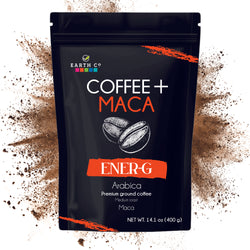
ENER-G by Earth Co Organics is a functional coffee that combines maca root for sustained energy without the crash — exemplifying how your morning coffee ritual can be enhanced with purposeful functional ingredients designed with absorption and bioavailability in mind.
Written by Carlos León, Founder of Earth Co Organics
Frequently Asked Questions
Can I get enough vitamin B9 from coffee alone?
No — coffee contains trace amounts of folate but not enough to meet daily requirements. Most adults need 400 mcg of dietary folate equivalents daily, which requires a varied diet rich in leafy greens (spinach delivers ~263 mcg per cooked cup), legumes, and fortified foods alongside your morning cup. Coffee contributes to overall intake but cannot serve as a primary folate source.
Is folic acid safe for everyone?
For most people, folic acid is safe and effective — and its widespread fortification of grain products has significantly reduced neural tube defect rates worldwide. However, individuals with MTHFR gene variants (affecting up to 25% of Hispanic and 10-15% of Caucasian individuals) may have difficulty converting synthetic folic acid to its active 5-MTHF form, making methylfolate supplements a better choice for ensuring adequate active vitamin B9. A healthcare provider can test for MTHFR variants and homocysteine levels to guide personalized supplementation.
What foods are highest in natural folate?
Dark leafy greens like spinach and kale are excellent natural folate sources — one cup of cooked spinach delivers approximately 263 mcg of dietary folate equivalents. Asparagus, Brussels sprouts, and broccoli also provide substantial amounts. Legumes including black-eyed peas, lentils, and kidney beans offer folate alongside protein and fiber. Beef liver contains the highest folate concentration per serving of any whole food. Research confirms that food folate bioavailability is approximately 78-85% of folic acid — significantly more effective than older estimates assumed.