Skin During Menopause and Perimenopause: Why Collagen Becomes More Critical After 40
If you've noticed your skin changing as you approach or enter your 40s, you're not imagining things. Skin during menopause and perimenopause undergoes significant transformations that can feel frustrating and confusing. The good news? Understanding what's happening beneath the surface can help you make informed choices about supporting your skin from the inside out. Collagen, the protein responsible for skin's firmness and elasticity, plays a starring role in this story.
What Happens to Skin During Menopause and Perimenopause
During perimenopause and menopause, estrogen levels begin to decline—and estrogen is directly linked to collagen production. Studies show that women lose approximately 30% of their skin collagen in the first five years after menopause. This rapid decline explains why many women notice increased dryness, fine lines, and loss of firmness seemingly overnight.
Beyond collagen loss, decreased estrogen also affects skin hydration and thickness. The dermis becomes thinner, and the skin's ability to retain moisture diminishes. These changes aren't just cosmetic—they reflect deeper shifts in how your body maintains and repairs tissue.
The Science Behind Collagen Loss After 40
According to research published by the National Institutes of Health, estrogen receptors exist throughout the skin and play a crucial role in maintaining collagen synthesis. When estrogen drops, so does your body's natural ability to produce and maintain collagen fibers.
Additionally, Healthline reports that oxidative stress increases during menopause, further accelerating collagen breakdown. This double hit—reduced production and increased degradation—makes the 40s and beyond a critical time to support your skin proactively.
Supporting Your Skin From the Inside Out
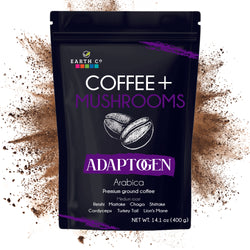
While topical skincare certainly has its place, what you consume matters just as much. Collagen peptides, adaptogenic herbs, and antioxidant-rich ingredients can all support skin health during this transitional time. Check out our ingredients page to learn more about the functional compounds that can make a difference.
Hydration, quality sleep, and stress management also play supporting roles. When you combine internal nourishment with healthy lifestyle habits, you create an environment where your skin can thrive despite hormonal changes.
Why Functional Coffee Makes Sense for Midlife Skin
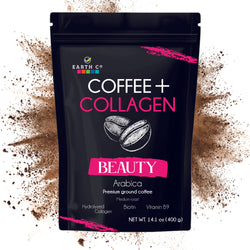
For many women, coffee is already a non-negotiable part of the morning routine. By choosing a functional coffee that includes collagen and other skin-supporting ingredients, you're stacking benefits without adding another step. Visit our shop to explore blends designed with your wellness in mind.
Functional coffee offers a convenient, enjoyable way to incorporate collagen into your daily life. Instead of remembering another supplement, you're simply enhancing something you already love.
Embrace This Chapter With Intention
Skin during menopause and perimenopause doesn't have to mean surrendering to rapid aging. With the right knowledge and tools, you can support your body through this transition gracefully. Understanding the collagen connection empowers you to take meaningful action.
Your 40s, 50s, and beyond can be a time of vitality and confidence. It starts with small, consistent choices that honor where your body is right now.