Zero Sugar Doesn't Mean the Same Thing in Every Product: What to Look for on the Label
Zero sugar labels can be misleading because FDA regulations allow products with less than 0.5 grams of sugar per serving to claim "zero sugar" while still containing sweeteners, sugar alcohols, and high-glycemic fillers. Understanding what to look for on the label helps you make truly informed choices about the products you consume daily, including your morning coffee.
Why Zero Sugar Labels Require a Closer Look
The term "zero sugar" is regulated by the FDA, but the regulation leaves significant room for interpretation. A product can legally claim zero sugar if it contains less than 0.5 grams per serving, which means multiple servings could add up to meaningful sugar intake. This becomes especially problematic when manufacturers reduce serving sizes to meet labeling thresholds.
Beyond the sugar content itself, zero sugar products often rely on replacement ingredients that can affect your metabolism, gut microbiome, and energy levels in ways that surprise most consumers. Sugar alcohols like maltitol and sorbitol, artificial sweeteners like aspartame and sucralose, and natural alternatives like stevia and monk fruit all behave differently in your body. Understanding these differences is essential for making choices aligned with your health goals.
The Hidden Ingredients in Zero Sugar Products
According to a 2019 study published in Nutrients, artificial sweeteners can alter gut bacteria composition and potentially affect glucose metabolism despite containing no calories. This research highlights why checking the ingredient list matters as much as checking the nutrition facts panel. The glycemic index of replacement ingredients varies dramatically, from zero for stevia to nearly 100 for maltodextrin.
Maltodextrin is a particularly common hidden ingredient in zero sugar products. This highly processed starch is technically not a sugar, so it does not appear in the sugar line on nutrition labels. However, maltodextrin has a glycemic index higher than table sugar, meaning it can spike blood glucose rapidly. Many protein powders, coffee creamers, and flavored beverages labeled zero sugar contain maltodextrin as a bulking agent or flavor carrier.
Sugar alcohols represent another category requiring attention. Erythritol, xylitol, sorbitol, and maltitol are common in zero sugar products. While erythritol has minimal caloric impact and a glycemic index near zero, maltitol has a glycemic index around 35 and provides about half the calories of sugar. Products using maltitol may still affect insulin response and provide meaningful calories despite zero sugar claims.
Reading Zero Sugar Labels Like a Nutrition Expert
Start by examining the ingredient list, not just the front-of-package claims. Ingredients are listed in descending order by weight, so if maltodextrin, dextrose, or a sugar alcohol appears in the first five ingredients, it represents a significant portion of the product. Look for natural sweeteners like stevia leaf extract or monk fruit extract, which research confirms have minimal metabolic impact.
Check the carbohydrate breakdown carefully. Total carbohydrates include fiber, sugar alcohols, and starches. A product with zero sugar but 15 grams of carbohydrates from maltodextrin will affect your blood glucose differently than one with 15 grams from fiber. The net carb calculation matters for understanding true metabolic impact. Visit our ingredients page to see how we approach sweetener transparency in our functional coffee products.
Pay attention to serving sizes. Some products achieve zero sugar claims by listing unrealistically small serving sizes. A coffee creamer serving of one tablespoon might show zero sugar, but most people use two or three tablespoons per cup. Multiply the serving size by your actual usage to understand real intake. Clinical studies show that cumulative small amounts of hidden sugars and high-glycemic ingredients can significantly impact metabolic health over time.
Natural Sweeteners Worth Seeking Out
Stevia is a plant-derived sweetener that has been used for centuries in South America. According to a 2010 review published in Appetite, stevia does not raise blood glucose levels and may even have beneficial effects on glucose tolerance. The sweet compounds in stevia, called steviol glycosides, pass through the digestive system without being absorbed as calories. Look for products using whole leaf stevia extract rather than chemically processed stevia derivatives.
Monk fruit extract, also called luo han guo, is another excellent zero-calorie natural sweetener. The sweetness comes from compounds called mogrosides, which the body does not metabolize for energy. Evidence suggests monk fruit has antioxidant properties and does not affect blood sugar or insulin levels. When you see monk fruit on a zero sugar label, you can feel confident the sweetness comes without metabolic consequences.
Erythritol deserves mention as a sugar alcohol with genuinely minimal impact. Unlike maltitol or sorbitol, erythritol is absorbed in the small intestine and excreted unchanged, providing virtually zero calories and no effect on blood glucose. It also does not cause the digestive discomfort associated with other sugar alcohols. Products combining erythritol with stevia or monk fruit often achieve the best taste profile with the cleanest metabolic impact.
What Zero Sugar Means for Your Morning Coffee
Coffee beverages represent one of the most important categories for zero sugar label scrutiny. Flavored coffees, creamers, and functional coffee products vary enormously in their approach to sweetness. Some rely heavily on artificial sweeteners and maltodextrin, while others use clean natural alternatives. The difference matters because most Americans consume coffee daily, making it a significant source of cumulative sweetener exposure.
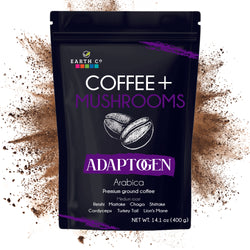
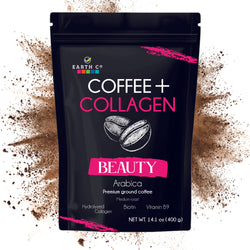
Functional coffee products add another layer of complexity. When coffee includes added ingredients for health benefits, such as adaptogens, collagen, or protein, the formulation must balance taste with transparency. Some brands use artificial sweeteners to mask the taste of functional ingredients, while others prioritize clean formulations. Browse our shop to explore functional coffee options formulated with transparency in mind.
The insulin response to your morning beverage sets the tone for your entire day. Starting with a product that spikes blood glucose, even without sugar on the label, can trigger cravings, energy crashes, and metabolic disruption. Choosing products with truly clean zero sugar formulations supports stable energy, better focus, and long-term metabolic health. Your morning ritual deserves ingredients you can trust.
Make Your Morning Count with Transparent Ingredients
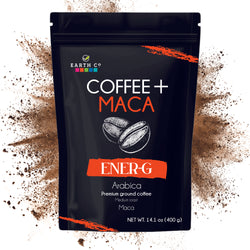
Reading zero sugar labels carefully empowers you to choose products that genuinely support your health goals. Energy, a functional coffee that combines maca root for sustained energy without the crash, exemplifies the transparent approach to zero sugar formulation. When you understand what to look for on the label, you can confidently choose beverages that deliver both taste and metabolic integrity.
Discover Clean Energy Coffee Today
What is the difference between zero sugar and sugar-free?
Zero sugar and sugar-free are regulated terms that mean a product contains less than 0.5 grams of sugar per serving. However, products can still contain artificial sweeteners, sugar alcohols, or other caloric ingredients that affect blood glucose differently. Always check the full ingredient list to understand what replaces the sugar.
Can zero sugar products still spike blood sugar?
Yes, some zero sugar products contain maltodextrin or other high-glycemic fillers that can spike blood sugar despite having no sugar listed. Maltodextrin has a glycemic index higher than table sugar. Always check the full ingredient list beyond just the nutrition facts panel to identify these hidden ingredients.
What sweeteners should I look for in zero sugar products?
Look for natural sweeteners like stevia, monk fruit, or erythritol which have minimal impact on blood glucose. These sweeteners provide sweetness without the metabolic consequences of sugar or high-glycemic fillers. Avoid products with maltodextrin, dextrose, or multiple artificial sweeteners listed in the first few ingredients.