Why Ingredient Transparency Is the Difference Between a Real Functional Brand and a Marketing One
Ingredient transparency is the practice of fully disclosing every component in a product, including exact dosages, sourcing origins, and scientific justification for each inclusion. It separates brands that deliver real functional benefits from those that simply capitalize on wellness trends with underdosed or unverified ingredients. When you understand ingredient transparency, you become empowered to make choices that actually support your health goals.
Why Ingredient Transparency Matters More Than Ever
The functional food and beverage market has exploded in recent years, with consumers increasingly seeking products that offer benefits beyond basic nutrition. However, this growth has attracted brands more interested in marketing than genuine efficacy. Research confirms that many supplements and functional products contain significantly less of their advertised active ingredients than labels claim.
According to a 2018 study published in the Journal of the American Medical Association, nearly 800 dietary supplements sold between 2007 and 2016 contained undisclosed pharmaceutical ingredients or adulterants. This alarming finding highlights why scrutinizing labels and demanding transparency has become essential for health-conscious consumers.
The problem extends beyond contamination to include underdosing. A product might list lion's mane mushroom on its label, but without knowing whether it contains beta-glucans from the fruiting body or just mycelium grown on grain, you cannot assess its actual value. True ingredient transparency means knowing not just what is in your product, but how much, where it came from, and why it was included.
The Anatomy of a Transparent Label
Understanding what separates a transparent label from a marketing-driven one requires knowing what to look for. Proprietary blends are a major red flag because they allow brands to list multiple ingredients under a single combined weight without revealing individual amounts. This practice often masks the fact that headline ingredients are present only in trace amounts insufficient to provide any benefit.
Clinical studies show that specific dosages matter tremendously for efficacy. For example, research on adaptogens like ashwagandha demonstrates benefits at dosages of 300 to 600 milligrams of standardized extract. A product listing ashwagandha in a proprietary blend totaling 500 milligrams across five ingredients likely contains far less than an effective dose.
Extraction methods also significantly impact potency. With medicinal mushrooms, compounds like beta-glucans responsible for immunomodulation are primarily found in the fruiting body. Products using mycelium grown on grain substrates often contain more starch than active compounds. A transparent brand specifies whether it uses fruiting body extracts and discloses beta-glucan percentages.

Third-party testing provides another layer of verification. Certifications from organizations like NSF International or the Clean Label Project indicate that independent laboratories have verified label claims. Evidence suggests that products with third-party verification consistently demonstrate higher accuracy between labeled and actual ingredient amounts.
How Marketing Brands Exploit Consumer Trust
Marketing-first brands employ several tactics to appear legitimate while cutting corners on formulation. Buzzword stacking is one common approach, where labels feature trendy ingredients like collagen, adaptogens, and nootropics without meaningful amounts of any. The goal is to trigger recognition rather than deliver results.
According to Healthline's guide on reading supplement labels, many products use terms like "complex" or "matrix" to obscure the fact that they contain proprietary blends with undisclosed ratios. Nutrition experts agree that these linguistic choices often signal a lack of transparency rather than sophisticated formulation.
Another tactic involves citing studies that used different forms or dosages than what the product contains. A brand might reference research on hydrolyzed collagen peptides while their product contains gelatin, which has different bioavailability and absorption characteristics. Without transparency about the specific form used, consumers cannot evaluate whether cited research actually applies.
Social proof manipulation also plays a role. Testimonials and influencer partnerships can create perceived credibility without any scientific foundation. While customer experiences matter, they cannot substitute for verified ingredient quality and appropriate dosing. A transparent brand leads with evidence and views testimonials as supplementary rather than primary proof.
The Science Behind Effective Functional Ingredients
Understanding the science helps you evaluate transparency claims critically. Functional ingredients work through specific biochemical mechanisms that require adequate concentrations to produce measurable effects. For adaptogens, this means modulating the HPA axis and cortisol response patterns. For gut health ingredients, it involves supporting the gut microbiome and promoting production of short-chain fatty acids like butyrate.

A 2019 review published in the Journal of Functional Foods examined the gap between marketed claims and scientific evidence for various functional ingredients. The researchers found that while many ingredients show promise in clinical settings, consumer products frequently fail to replicate study conditions, particularly regarding dosage and ingredient form.
This is where transparency becomes practical rather than philosophical. When a brand discloses that their product contains 500 milligrams of KSM-66 ashwagandha root extract standardized to 5% withanolides, you can directly compare this to published research using the same extract. Without this specificity, any comparison becomes impossible, and you are essentially trusting marketing claims without verification.
Bioavailability is another crucial factor that transparent brands address. Some compounds require specific delivery mechanisms or cofactors for optimal absorption. For collagen, hydrolyzed peptides demonstrate superior bioavailability compared to intact collagen because they can be absorbed directly into the bloodstream and reach target tissues like the dermis where fibroblasts produce new collagen and elastin.
How to Evaluate Functional Brands Before You Buy
Developing a systematic approach to evaluating brands protects you from marketing tactics while helping you find products that deliver genuine value. Start by examining the supplement facts panel for specific dosages rather than proprietary blends. Every active ingredient should have a clearly listed amount in milligrams or grams.
Next, investigate sourcing claims. Transparent brands typically share information about where ingredients originate and how they are processed. For mushroom-based products, look for confirmation that extracts derive from fruiting bodies and include standardized beta-glucan content. For plant-based ingredients, organic certification and origin disclosure indicate higher quality standards.
Check for third-party testing and certifications. USDA Organic, Non-GMO Project Verified, NSF Certified for Sport, and similar seals indicate external verification of claims. While certifications are not foolproof, they represent additional accountability beyond self-reported label claims. You can explore our ingredients page to see how transparent sourcing documentation should look.
Finally, evaluate the brand's willingness to answer questions. Companies committed to transparency typically provide detailed information upon request, including certificates of analysis, sourcing documentation, and research references. A brand that deflects or provides vague responses likely has something to hide.
Building Your Functional Wellness Routine With Confidence
Once you understand what transparency looks like, building an effective wellness routine becomes much simpler. Focus on products that align with your specific health goals and provide ingredients at clinically relevant dosages. Quality over quantity matters because one well-formulated product outperforms multiple underdosed alternatives.
Consider how products fit into your existing habits. Functional coffees offer an elegant solution by combining your morning ritual with targeted wellness benefits. Rather than adding another pill or powder to your routine, you receive functional ingredients through a beverage you already enjoy. Browse our complete collection to find products that match your wellness priorities.
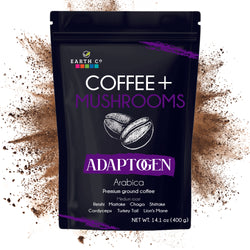
Adaptogen, a functional coffee that combines medicinal mushrooms and adaptogens for stress and focus, exemplifies what ingredient transparency should look like. Every ingredient is listed with its exact dosage, sourcing is fully disclosed, and the formulation is designed around published research on effective amounts. This approach ensures that what you see on the label is what you get in your cup.
Ultimately, ingredient transparency is about respect. Real functional brands respect your intelligence, your health goals, and your right to make informed decisions. Marketing-driven brands hope you will not look too closely. By demanding transparency, you support companies that prioritize efficacy over hype and help shift the entire industry toward higher standards.
Start Your Transparent Wellness Journey Today
Choosing products from brands committed to ingredient transparency is one of the most impactful decisions you can make for your health. Every purchase sends a signal about what consumers value, and companies respond accordingly. When transparency becomes a competitive advantage, the entire market improves.
Earth Co Organics built our entire product line around the principles outlined in this article. We believe you deserve to know exactly what you are putting in your body, why each ingredient is included, and the evidence supporting its use. Adaptogen, a functional coffee that combines medicinal mushrooms and adaptogens for stress and focus, represents our commitment to delivering real benefits through verified, properly dosed ingredients.
Explore Our Transparent Functional Coffees
What does ingredient transparency mean in functional foods?
Ingredient transparency means a brand discloses every ingredient, its source, exact dosage, and scientific rationale. This includes revealing whether extracts come from fruiting bodies or mycelium, and providing third-party testing results for purity and potency.
How can I tell if a functional coffee brand is legitimate?
Look for specific dosages on the label rather than proprietary blends, third-party certifications