Vitamin D and Coffee: The Unexpected Relationship That Affects More People Than You Think
Vitamin D and coffee interact in ways that can influence nutrient absorption, bone health, and overall wellness. While coffee itself does not destroy vitamin D, caffeine can affect how your body processes calcium and responds to vitamin D at the cellular level. Understanding this relationship helps you optimize both your morning ritual and your nutritional status.
Understanding the Vitamin D and Coffee Connection
Vitamin D is a fat-soluble hormone essential for calcium absorption, immune function, and bone mineralization. Your body produces it when skin is exposed to sunlight, but many Americans fall short of optimal levels, especially during winter months. Coffee, meanwhile, is the most widely consumed psychoactive substance in the world, with over 60% of American adults drinking it daily.
The relationship between vitamin D and coffee centers on caffeine's effects on calcium metabolism. Caffeine is a methylxanthine compound that can increase urinary calcium excretion and potentially interfere with vitamin D receptor (VDR) activity in certain tissues. VDR is the protein that allows vitamin D to communicate with your cells and regulate gene expression throughout the body.
Research confirms that the interaction is dose-dependent. According to a 2019 study published in the International Journal of Epidemiology, moderate coffee consumption was not associated with significantly lower vitamin D levels in a large population sample. However, heavy consumption above 4-5 cups daily showed modest negative associations with serum 25-hydroxyvitamin D concentrations.
How Caffeine Affects Calcium and Bone Health
Calcium homeostasis is the body's system for maintaining stable calcium levels in blood and tissues. Vitamin D plays a central role by increasing intestinal calcium absorption and regulating parathyroid hormone (PTH), which controls calcium release from bones. When caffeine enters this system, it can create subtle disruptions that accumulate over time.
Clinical studies show that caffeine increases renal calcium excretion, meaning you lose more calcium through urine after consuming coffee. According to a 2001 study in the American Journal of Clinical Nutrition, each cup of coffee causes a net loss of approximately 2-3 mg of calcium. While this seems small, the cumulative effect matters for those with borderline intake or absorption issues.
Osteoblasts are cells responsible for building new bone tissue, while osteoclasts break down old bone. Vitamin D helps regulate the balance between these processes. Evidence suggests that excessive caffeine may tip this balance toward bone resorption, particularly in individuals who are already vitamin D deficient or have inadequate calcium intake from dietary sources.
The good news is that this effect can be easily offset. Research shows that adding just 1-2 tablespoons of milk to your coffee can compensate for the calcium loss. This practical approach allows coffee lovers to enjoy their brew without worrying about long-term bone health consequences.
Vitamin D Deficiency: A Widespread Concern
Vitamin D deficiency affects an estimated 42% of American adults, according to research published in Cureus in 2018. Certain populations face even higher rates, including those with darker skin, older adults, people living in northern latitudes, and individuals who spend limited time outdoors. This widespread insufficiency makes understanding all factors that influence vitamin D status critically important.
Serum 25-hydroxyvitamin D is the biomarker used to assess vitamin D status in clinical settings. Levels below 20 ng/mL are considered deficient, while 20-29 ng/mL is insufficient, and 30-100 ng/mL is considered adequate by most experts. Nutrition experts agree that optimal levels likely fall between 40-60 ng/mL for maximum health benefits.
Symptoms of deficiency can be subtle and nonspecific, including fatigue, muscle weakness, mood changes, and frequent illness. Many people attribute these symptoms to stress or aging without realizing that a simple blood test could reveal an easily correctable deficiency. If you drink multiple cups of coffee daily and experience these symptoms, checking your vitamin D level is a worthwhile step.
Learn more about how different functional ingredients can support your overall wellness alongside proper vitamin D status.
Optimizing Your Coffee Routine for Better Vitamin D Absorption
Timing matters when it comes to vitamin D and coffee consumption. Because vitamin D is fat-soluble, it absorbs best when taken with dietary fat. Many people take supplements with their morning coffee, but this may not be ideal. Evidence suggests waiting at least an hour between your coffee and vitamin D supplement allows for better absorption.
Cholecalciferol (vitamin D3) is the form most efficiently used by the human body, derived from animal sources or synthesized from lanolin. Ergocalciferol (vitamin D2) comes from plant sources and is less potent. When choosing supplements, D3 is generally preferred by healthcare providers for correcting deficiency.
Consider pairing your vitamin D supplement with breakfast foods containing healthy fats like eggs, avocado, or nuts. This strategy maximizes absorption while keeping your coffee ritual intact. You can enjoy your morning brew first, then take your supplement with a fat-containing meal an hour or two later.
Explore our functional coffee collection designed to complement a health-conscious lifestyle without compromising your nutritional goals.
The Role of Genetics in Vitamin D and Coffee Metabolism
Pharmacogenomics is the study of how genetic variations affect individual responses to substances. Your genes influence both how quickly you metabolize caffeine and how efficiently you process vitamin D. This explains why some coffee drinkers experience no negative effects on their vitamin D status while others seem more sensitive.
The CYP1A2 gene determines caffeine metabolism speed. Fast metabolizers clear caffeine quickly and may experience fewer effects on calcium excretion. Slow metabolizers have caffeine circulating longer, potentially amplifying its impact on mineral balance. Understanding your personal response to coffee can help you make informed decisions about consumption levels.
Similarly, variations in the VDR gene affect how cells respond to vitamin D signals. Some individuals require higher serum levels to achieve the same cellular effects as others. This genetic variability means that blanket recommendations don't work equally well for everyone, and personalized approaches often yield better results.
If you suspect you're particularly sensitive to caffeine's effects, consider reducing consumption to 1-2 cups daily and monitoring how you feel. Many people find that moderate intake allows them to enjoy coffee's benefits without measurable impacts on their vitamin D status or bone health markers.
Practical Strategies for Coffee Lovers Concerned About Vitamin D
Balancing your love of coffee with optimal vitamin D status is entirely achievable with a few simple strategies. First, get your levels tested annually, especially if you live in a northern climate or spend most of your time indoors. Knowledge is power when it comes to addressing potential deficiencies before they cause problems.
Second, prioritize dietary sources of both vitamin D and calcium. Fatty fish like salmon and mackerel provide significant vitamin D, while dairy products, fortified foods, and leafy greens supply calcium. A diet rich in these nutrients provides a buffer against any minor losses from coffee consumption.
Third, consider moderate sun exposure when possible. Just 10-15 minutes of midday sun on arms and legs can produce substantial vitamin D in most skin types. This natural production method remains the most efficient way to maintain adequate levels, though it's not always practical depending on your location and lifestyle.
Finally, if you take vitamin D supplements, choose a quality product and take it consistently with food containing fat. Consistency matters more than perfect timing, and building a sustainable habit ensures you actually get the benefits you're seeking.
Elevate Your Morning Ritual with Functional Coffee
Understanding the relationship between vitamin D and coffee empowers you to make choices that support both your morning enjoyment and long-term health. The evidence shows that moderate coffee consumption fits well within a wellness-focused lifestyle when combined with attention to nutrient intake and smart supplementation timing.
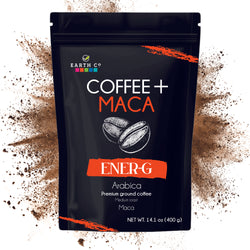
For those seeking to maximize their coffee's benefits, Energy, a functional coffee that combines maca root for sustained energy without the crash, offers a thoughtful alternative that supports your body's natural vitality. Maca has traditionally been used to support endurance and may complement your overall wellness routine alongside proper vitamin D status.
Discover Energy and Transform Your Morning Ritual
Does coffee deplete vitamin D levels?
Coffee does not directly deplete vitamin D, but caffeine can interfere with calcium absorption and vitamin D receptor activity. Moderate consumption of 3-4 cups daily is generally considered safe for most people without significantly impacting vitamin D status.
When should I take vitamin D if I drink coffee?
Nutrition experts recommend taking vitamin D supplements with a meal containing healthy fats, ideally 1-2 hours apart from your coffee. This timing helps maximize absorption while still enjoying your morning brew.
How much coffee is safe if I have low vitamin D?
Research suggests that moderate coffee intake of 3-4 cups per day does not significantly worsen vitamin D deficiency. However, if you have severely low levels, consider spacing your coffee away from vitamin D supplements and focusing on dietary sources and sun exposure.