The Role of Vitamin C in Collagen Synthesis: Why You Can't Take One Without the Other
Vitamin C in collagen synthesis serves as an essential cofactor that enables your body to produce stable, functional collagen proteins. Without adequate vitamin C, your body cannot properly hydroxylate the amino acids proline and lysine, which are critical for collagen's triple-helix structure. This makes vitamin C absolutely non-negotiable for anyone serious about skin health, joint support, or connective tissue maintenance.
Understanding Vitamin C in Collagen Synthesis at the Molecular Level
Collagen is the most abundant protein in your body, making up roughly 30% of your total protein content. It provides structural support for your skin, bones, tendons, and blood vessels. But here's what many people miss: your body can't simply stack amino acids together and call it collagen.
The process requires specific enzymes called prolyl hydroxylase and lysyl hydroxylase. These enzymes are responsible for adding hydroxyl groups to proline and lysine amino acids. Vitamin C acts as a cofactor for these enzymes, donating electrons that keep the iron atom in the enzyme's active site in its proper reduced state. Without this electron donation, the enzymes become inactive and collagen synthesis stalls.
Fibroblasts are the cells responsible for producing collagen in your dermis, the deeper layer of your skin. Research confirms that fibroblasts require a steady supply of ascorbic acid to maintain optimal collagen output. When vitamin C levels drop, these cells produce fewer collagen molecules, and the ones they do produce are structurally compromised.
The Science Behind Hydroxylation and Why It Matters
Hydroxylation is the chemical process that makes collagen unique among proteins. Hydroxyproline residues are essential for the thermal stability of the collagen triple helix. Without proper hydroxylation, collagen denatures at body temperature and cannot function properly.
This explains why scurvy, the disease caused by severe vitamin C deficiency, leads to such dramatic symptoms. Bleeding gums, slow wound healing, and skin fragility all stem from the body's inability to produce stable collagen. While full-blown scurvy is rare today, subclinical vitamin C deficiency may still impact your collagen production without obvious symptoms.
The triple helix structure of collagen depends on the precise positioning of hydroxyproline residues. These modified amino acids form hydrogen bonds that wind three polypeptide chains together into a rope-like structure. Elasticity and tensile strength both depend on this configuration being correct.
How Much Vitamin C Do You Actually Need?
The recommended daily allowance for vitamin C sits at 75mg for women and 90mg for men. However, evidence suggests that higher intakes may benefit collagen production. According to a National Institutes of Health fact sheet, tissue saturation occurs at intakes around 200mg per day.
Smokers need an additional 35mg daily because oxidative stress depletes their vitamin C stores faster. Stress, pollution, and intense exercise can also increase your body's demand for this water-soluble vitamin. Since your body cannot store vitamin C long-term, consistent daily intake matters more than occasional megadoses.
Food sources rich in vitamin C include citrus fruits, bell peppers, strawberries, broccoli, and kiwi. Pairing these foods with collagen-rich bone broth or a hydrolyzed collagen supplement creates ideal conditions for your body to build new collagen. The amino acids glycine, proline, and hydroxyproline from dietary collagen combine with vitamin C to support your dermis, joints, and connective tissues.
Collagen Supplements Without Vitamin C: Are You Wasting Money?
Taking collagen peptides without ensuring adequate vitamin C intake is like buying premium gasoline for a car with no spark plugs. The raw materials are there, but the machinery can't use them effectively. Hydrolyzed collagen provides the amino acid building blocks, but your fibroblasts still need vitamin C to assemble those building blocks into functional collagen fibers.
Clinical studies show that combining vitamin C with collagen supplementation produces better outcomes than either alone. A Healthline review of collagen research notes that vitamin C enhances the bioavailability and utilization of collagen peptides. This synergy extends to benefits for skin elasticity, wound healing, and joint comfort.
When shopping for collagen supplements, check whether vitamin C is included in the formula. Some products combine the two for convenience, while others assume you're getting enough from your diet. Either approach works, but awareness matters. Understanding the ingredients in your supplements helps you make informed choices about what your body actually needs.
Signs Your Collagen Production May Be Suffering
Your skin is often the first place to show signs of compromised collagen synthesis. Fine lines, loss of firmness, and slower wound healing can all indicate that your collagen production isn't optimal. While aging naturally reduces collagen output, nutritional deficiencies can accelerate the decline.
Joint stiffness and discomfort may also signal collagen issues. Cartilage relies heavily on type II collagen for its cushioning properties. Without adequate collagen turnover, the wear and tear of daily life accumulates faster than your body can repair. Keratin production for hair and nails similarly depends on overall protein synthesis pathways that vitamin C supports.
Nutrition experts agree that addressing potential vitamin C shortfalls is one of the simplest interventions for supporting collagen status. Before investing in expensive treatments, ensuring your foundational nutrition is solid makes sense. Sometimes the basics—like adequate vitamin C intake—deliver the most meaningful results.
Building Your Collagen-Supporting Routine
Creating an effective collagen-supporting routine doesn't require complicated protocols. Start with a diet rich in colorful fruits and vegetables to ensure baseline vitamin C intake. Add a quality collagen source, whether from bone broth, collagen peptides, or functional foods that combine collagen with complementary nutrients.
Timing can enhance absorption. Some research suggests taking collagen on an empty stomach improves peptide uptake, while vitamin C can be taken with meals to reduce potential stomach upset. Consistency trumps perfection—daily intake matters more than optimizing every variable.
Browse our shop to explore products designed with these synergies in mind. Functional foods that combine complementary ingredients simplify the process of supporting your body's collagen production. When the guesswork disappears, consistency becomes easier.
Start Your Morning with Collagen and Vitamin C Support
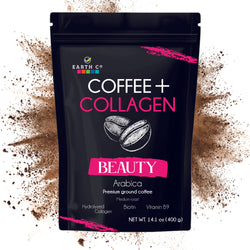
Your morning coffee ritual presents a perfect opportunity to support collagen synthesis. Beauty, a functional coffee that combines hydrolyzed collagen and biotin for skin, hair, and nails, delivers collagen peptides in a format that fits seamlessly into your existing routine. When paired with vitamin C from your breakfast or a supplement, you create optimal conditions for your body to build beautiful, resilient collagen.
The relationship between vitamin C and collagen isn't optional—it's fundamental biochemistry. Understanding this connection empowers you to make choices that actually move the needle on your skin health, joint comfort, and overall vitality. Your body knows what to do with the right raw materials.
Discover Beauty Functional Coffee Today
Can your body make collagen without vitamin C?
No, your body cannot properly synthesize collagen without adequate vitamin C. The vitamin acts as an essential cofactor for enzymes that stabilize collagen's structure. Without it, collagen molecules remain weak and unstable.
How much vitamin C do you need for collagen production?
The recommended daily allowance is 75-90mg for adults, but research suggests 100-200mg may be optimal for collagen synthesis. Most people can meet this through diet or a combination of food and supplements.
Should I take vitamin C with my collagen supplement?
Yes, taking vitamin C alongside collagen supplements can enhance your body's ability to utilize the collagen peptides. Many nutrition experts recommend pairing the two for maximum skin, joint, and connective tissue benefits.