Vitamin B12 and Coffee: The Deficiency That Most Affects Heavy Conventional Coffee Drinkers
Vitamin B12 and coffee have a complicated relationship that most daily drinkers overlook. Vitamin B12 is an essential water-soluble vitamin required for nerve function, DNA synthesis, and red blood cell formation. Heavy coffee consumption can interfere with B12 absorption, leading to deficiency symptoms that many people mistakenly attribute to needing more caffeine.
Why Vitamin B12 and Coffee Interaction Matters for Your Health
If you rely on multiple cups of coffee to get through your day, you may be unknowingly compromising your body's ability to absorb one of its most critical nutrients. Vitamin B12 deficiency affects an estimated 6% of adults under 60 and nearly 20% of those over 60, according to the National Institutes of Health. The connection between coffee consumption and nutrient malabsorption is becoming increasingly clear through clinical research.
Cobalamin, the scientific name for B12, plays essential roles in methylation processes throughout your body. These processes affect everything from energy production in your mitochondria to neurotransmitter synthesis. When coffee interferes with B12 uptake, the effects ripple through multiple body systems.
The irony is striking: many people drink more coffee to combat the fatigue caused by the very deficiency their coffee habit may be worsening. This creates a cycle where the solution becomes part of the problem. Understanding this relationship empowers you to make smarter choices about when and how you consume your daily brew.
The Science Behind Coffee and Nutrient Absorption
Coffee contains compounds called polyphenols and tannins that can bind to vitamins and minerals in your digestive tract. Research confirms that these compounds reduce the bioavailability of several nutrients when consumed alongside food. A 2017 study published in PubMed found that coffee consumption was associated with lower serum B12 levels in regular drinkers.
Intrinsic factor is a protein produced by your stomach that binds to B12 and enables its absorption in the small intestine. Evidence suggests that caffeine may affect gastric acid secretion and gut motility, potentially impacting this delicate absorption process. The parietal cells in your stomach lining are sensitive to various dietary factors, including the acidity and compounds found in coffee.
Homocysteine is an amino acid that accumulates when B12 levels are insufficient. Elevated homocysteine has been linked to cardiovascular concerns and cognitive decline. Nutrition experts agree that maintaining adequate B12 status is crucial for keeping homocysteine in a healthy range. Heavy coffee drinkers should be particularly mindful of this connection.
The timing of coffee consumption relative to meals appears to be a significant factor. Clinical studies show that drinking coffee within an hour of eating can reduce iron absorption by up to 80%, and similar mechanisms may affect B12 uptake. Separating your coffee from your meals gives your body the best chance to absorb nutrients effectively.
Recognizing B12 Deficiency Symptoms in Coffee Lovers

The symptoms of B12 deficiency often masquerade as other conditions, making diagnosis tricky. Fatigue is the hallmark symptom, but it is easily dismissed when you assume you just need another cup of coffee. Neurological symptoms include peripheral neuropathy, characterized by tingling or numbness in your extremities. Cognitive symptoms like brain fog, memory issues, and difficulty concentrating are also common.
Megaloblastic anemia is a condition where your red blood cells become abnormally large and cannot function properly. This type of anemia develops when B12 deficiency prevents normal cell division in your bone marrow. You might experience shortness of breath, pale skin, and heart palpitations as your body struggles to deliver oxygen efficiently.
Mood changes including depression and anxiety have been linked to low B12 status. The vitamin plays a crucial role in synthesizing neurotransmitters like serotonin and dopamine. If you have noticed your mood worsening despite unchanged circumstances, B12 deficiency could be a contributing factor worth investigating with your healthcare provider.
Many coffee enthusiasts experience what they believe is caffeine tolerance, requiring more coffee to achieve the same alertness. However, the underlying issue may be progressive B12 depletion rather than true tolerance. Addressing the deficiency often restores normal energy levels and reduces the perceived need for excessive caffeine. You can explore our ingredients page to learn about nutrients that support sustained energy.
Optimizing Your Coffee Routine for Better B12 Status

Strategic timing is your most powerful tool for enjoying coffee while protecting your B12 levels. Wait at least one hour after consuming B12-rich foods before reaching for your coffee cup. This window allows your digestive system to complete the initial absorption process before introducing compounds that might interfere.
B12-rich foods include animal products like meat, fish, eggs, and dairy. If you follow a plant-based diet, fortified foods and supplements become essential since B12 is not naturally present in plant foods. Methylcobalamin and adenosylcobalamin are the active forms of B12 that your body can use directly without conversion.
Consider the quality and type of coffee you consume. Some functional coffee options are designed with nutrient absorption in mind, incorporating ingredients that support rather than hinder your body's processes. Checking our shop reveals options that prioritize your overall wellness alongside great taste.
Sublingual B12 supplements bypass the digestive tract entirely, absorbing directly through the mucous membranes under your tongue. This delivery method sidesteps potential absorption issues caused by coffee or other dietary factors. For heavy coffee drinkers concerned about their B12 status, sublingual forms offer a reliable solution.
Building a Smarter Morning Routine
Restructuring your morning routine does not mean sacrificing your beloved coffee ritual. Start your day with a B12-rich breakfast, then engage in other morning activities while allowing absorption time. Your coffee can become the reward after your body has had the chance to extract nutrients from your meal.
Hydration plays an underappreciated role in nutrient absorption. Drinking water before and after your coffee helps maintain the digestive environment your body needs to absorb vitamins efficiently. Dehydration, common among heavy coffee drinkers due to caffeine's mild diuretic effect, can compound absorption challenges.
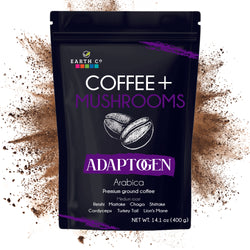
Stress management also impacts B12 utilization. Chronic stress increases your body's demand for B vitamins while potentially disrupting digestive function. Adaptogens and stress-supporting ingredients can help your body maintain balance even during demanding periods. The connection between stress, coffee consumption, and nutrient status is more intertwined than most people realize.
Regular blood testing provides objective data about your B12 levels. Ask your healthcare provider to include serum B12, methylmalonic acid, and homocysteine in your annual bloodwork. These markers together give a comprehensive picture of your B12 status that serum levels alone might miss.
Elevate Your Coffee Experience While Supporting Your Health
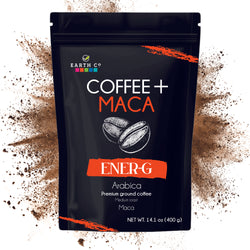
Understanding the relationship between vitamin B12 and coffee empowers you to enjoy your daily ritual without compromising your health. Small adjustments to timing and supplementation can make a significant difference in how you feel. Energy, a functional coffee that combines maca root for sustained energy without the crash, offers an alternative that supports your body's natural vitality rather than simply masking fatigue.
Your coffee habit does not have to work against your wellness goals. By being intentional about when you drink coffee and ensuring adequate B12 intake through diet or supplementation, you can have the best of both worlds. Making informed choices about what you put in your body is the foundation of true health optimization.
Discover Functional Coffee That Works With Your Body
Does coffee deplete vitamin B12?
Coffee does not directly deplete vitamin B12 stores, but it can interfere with B12 absorption when consumed around mealtimes. The caffeine and polyphenols in coffee may reduce the bioavailability of B12 from food sources, making timing important for heavy coffee drinkers.
How much coffee is too much for B12 absorption?
Research suggests that consuming more than four cups of coffee daily may significantly impact nutrient absorption, including B12. To minimize interference, experts recommend waiting at least one hour after eating B12-rich foods before drinking coffee.
What are the symptoms of B12 deficiency in coffee drinkers?
Common symptoms include persistent fatigue despite caffeine intake, brain fog, tingling in hands and feet, mood changes, and weakness. Many heavy coffee drinkers mistake these symptoms for caffeine tolerance when B12 deficiency may be the underlying cause.