Sleep in functional supplement efficacy is the missing link most people overlook. Without adequate rest, your body cannot properly absorb nutrients, regulate hormones, or complete the cellular repair processes that supplements are designed to enhance. Research confirms that sleeping less than seven hours per night undermines nearly every health intervention you invest in.
Why Sleep in Functional Supplement Efficacy Matters More Than You Think
Sleep is not passive downtime. It is an active metabolic state where your body performs critical maintenance functions including hormone synthesis, tissue repair, and memory consolidation. During deep sleep stages, your pituitary gland releases growth hormone, your liver detoxifies, and your immune system produces cytokines that fight inflammation and infection.
When you cut sleep short, these processes get interrupted. Your cortisol levels remain elevated, your HPA axis becomes dysregulated, and your stress response stays activated — creating an internal environment that works against the very goals your supplements are meant to support. Evidence suggests that chronic sleep deprivation can reduce the bioavailability of certain nutrients by impairing gut barrier function and intestinal permeability.
A comprehensive review on sleep disorders and glucose metabolism published in Diabetology and Metabolic Syndrome (PMC4381534) confirmed that short sleep and circadian disruption cause HPA axis activation with increased circulating cortisol, enhanced inflammatory cytokine production including IL-6 and TNF-α, and impaired glucose homeostasis — mechanisms that directly undermine the effectiveness of adaptogens, antioxidants, and gut health supplements.
How Sleep Deprivation Disrupts Your Hormones and Stress Response
Cortisol is your primary stress hormone, and it follows a natural circadian rhythm. It should peak in the morning to help you wake up and gradually decline throughout the day, reaching its lowest point at night. Sleep deprivation throws this rhythm into chaos, keeping cortisol elevated when it should be dropping.
Elevated cortisol triggers a cascade of problems: increased blood sugar, fat storage promotion, suppressed immune function, and breakdown of muscle tissue. Adaptogens like ashwagandha, rhodiola, and medicinal mushrooms are designed to support healthy cortisol patterns and improve your stress response. However, clinical studies show these compounds work best when your baseline hormonal environment is not severely compromised. Taking adaptogens while sleeping five hours per night is like trying to fill a bucket with a hole in the bottom.
The neuroplasticity benefits of certain nootropics and cognitive enhancers depend on adequate REM sleep — when your brain consolidates learning and clears metabolic waste through the glymphatic system. Optimizing sleep should be the foundation of any supplement protocol.
The Connection Between Sleep, Gut Health, and Supplement Absorption
Your gut microbiome is a sleep-sensitive ecosystem. Research confirms that sleep deprivation alters the composition of gut bacteria, reducing beneficial species and increasing those associated with inflammation. The gut barrier is a selective membrane that controls what enters your bloodstream. Poor sleep increases intestinal permeability, allowing unwanted particles to trigger immune reactions.
A 2019 study published in PLOS ONE examining gut microbiome diversity and sleep physiology in humans found significant associations between sleep quality and gut microbial composition, with sleep disruption associated with reduced diversity and altered bacterial populations — the same populations that produce butyrate and other short-chain fatty acids essential for gut barrier integrity.
If you are taking prebiotics, postbiotics, or probiotics to support digestive health, sleep deprivation can undermine their effectiveness. These supplements rely on a healthy gut environment to support beneficial bacteria and produce metabolites. Without adequate sleep, you are working against your own biology. Explore Earth Co Organics' full functional coffee catalog to find gut-supportive blends designed for your daily routine.
Sleep and Collagen: Why Your Skin Suffers Without Rest
Collagen is the most abundant protein in your body, providing structure to skin, bones, tendons, and connective tissue. Fibroblasts are the cells in your dermis responsible for producing collagen and elastin. These cells are most active during deep sleep when growth hormone levels peak. Without sufficient sleep, fibroblast activity decreases and collagen synthesis slows.
Sleep deprivation accelerates the breakdown of collagen and elastin fibers while slowing their production, leading to premature aging signs like fine lines, sagging, and dull complexion. Keratin, another structural protein important for hair and nails, also depends on adequate rest for optimal production.
Taking collagen supplements can support your body's natural production, but evidence suggests the benefits are amplified when combined with quality sleep. Growth hormone released during deep sleep enhances amino acid uptake and protein synthesis, making your collagen supplement work harder for you.
Energy, Mitochondria, and the Sleep-ATP Connection
Mitochondria are the powerhouses of your cells, responsible for producing ATP, the energy currency your body runs on. Sleep is when mitochondria undergo repair and regeneration. During deep sleep, your cells clear damaged mitochondria through a process called mitophagy and produce new, efficient ones to replace them.
Chronic sleep deprivation impairs mitochondrial function, reducing ATP production and leaving you feeling exhausted no matter how much caffeine you consume. This is why energy supplements and stimulants provide diminishing returns when you are sleep-deprived — your cells literally cannot produce enough energy to meet demand, and no supplement can fully compensate for broken cellular machinery.
Building a Sleep-First Supplement Strategy
The most effective approach to supplementation starts with sleep optimization. Before adding new products to your routine, assess your sleep quantity and quality. The key pillars of sleep optimization that enhance supplement efficacy:
- Consistent sleep schedule: going to bed and waking at the same time daily regulates your circadian rhythm and normalizes the cortisol pattern that adaptogens need to work effectively
- 7-9 hours duration: the research consistently shows that below 7 hours impairs inflammatory markers, glucose metabolism, and gut microbiome composition
- Sleep environment: cool, dark, screen-free bedroom — blue light suppresses melatonin and disrupts the sleep architecture that allows growth hormone release
- Supplement timing: adaptogens in the morning to support cortisol rhythm; collagen before bed to align with overnight growth hormone peak; avoid stimulants after early afternoon
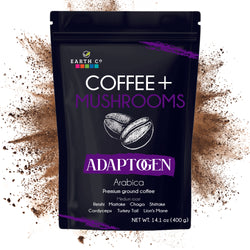
ADAPTOGEN by Earth Co Organics is a functional coffee that combines medicinal mushrooms and adaptogens for stress and focus — working synergistically with quality sleep to support healthy cortisol patterns and mental clarity throughout the day.
Start Optimizing Your Results Today
Understanding sleep in functional supplement efficacy transforms how you approach wellness. Every dollar you spend on supplements yields better returns when you prioritize rest. Your hormones regulate properly, your gut microbiome thrives, your mitochondria produce abundant ATP, and your fibroblasts generate collagen and elastin more effectively.
Frequently Asked Questions
Can supplements work if I only sleep 5 hours a night?
Supplements can still provide some benefits with limited sleep, but their efficacy is significantly reduced. Sleep deprivation impairs nutrient absorption through gut barrier dysfunction, elevates cortisol that counters adaptogen effects, and impairs the mitochondrial function that energy-supporting supplements rely on. For optimal results, aim for at least 7 hours of quality sleep before expecting full supplement efficacy.
What happens to cortisol levels when you don't sleep enough?
Sleep deprivation causes cortisol levels to remain elevated throughout the day instead of following their natural rhythm. This chronic elevation disrupts the HPA axis, increases stress response, and can lead to inflammation, weight gain, and impaired immune function. Adaptogens work best when cortisol patterns are normalized through adequate sleep — without it, you are trying to regulate a system that is already dysregulated.
How does sleep affect collagen production and skin health?
During deep sleep, your body releases growth hormone which stimulates fibroblasts in the dermis to produce collagen and elastin. Without sufficient sleep, this repair process is compromised, reducing the effectiveness of collagen supplements. Quality sleep enhances amino acid uptake and protein synthesis — meaning your collagen supplement delivers measurably better results when combined with adequate rest.