Superfoods are not magic pills that instantly transform your health. Well-formulated functional ingredients are bioactive compounds combined at effective doses to support specific biological functions when consumed consistently as part of a balanced lifestyle. The difference between marketing hype and real results lies in formulation science, proper dosing, and understanding how these compounds actually work in your body.
The Superfood Myth: Why Well-Formulated Functional Ingredients Matter More
The term "superfood" has no official regulatory definition. It emerged as a marketing buzzword to describe nutrient-dense foods, but it often creates unrealistic expectations about what any single ingredient can accomplish. No food operates in isolation, and the human body requires a complex interplay of nutrients, timing, and consistency to achieve meaningful health outcomes.
Well-formulated functional ingredients take a fundamentally different approach. These are compounds selected based on clinical research, combined in ways that enhance bioavailability, and dosed at levels shown to produce measurable effects. The focus shifts from trendy ingredient lists to actual biological mechanisms and synergistic combinations that deliver results.
Consider the difference between sprinkling turmeric on your food versus consuming a formulation that pairs curcumin with piperine. A landmark pharmacokinetic study widely cited in nutritional science found that co-administering piperine with curcumin increased curcumin's oral bioavailability by up to 2,000% in human subjects. The first approach sounds healthy but may have minimal impact. The second represents evidence-based functional formulation that respects how your body actually processes these compounds.
Understanding Bioavailability and Synergy in Functional Ingredients
Bioavailability is the proportion of an ingested compound that enters circulation and reaches its target tissues. Many celebrated superfoods contain beneficial compounds with notoriously poor bioavailability when consumed alone. This explains why eating a handful of goji berries occasionally will not revolutionize your health, despite impressive antioxidant profiles on paper.
The scientific literature on polyphenols and antioxidants consistently documents that these compounds exhibit low bioavailability when consumed in whole food form without formulation strategies — a significant proportion passes through the system without producing intended effects. Proper formulation addresses this through ingredient pairing, carrier systems, and delivery mechanisms that support absorption.
Synergy refers to combinations where the total effect exceeds the sum of individual parts. Well-formulated functional ingredients leverage this principle intentionally. Fat-soluble vitamins absorb better with dietary fats. Certain adaptogens enhance each other's stress-modulating effects on the HPA axis. Beta-glucans from medicinal mushrooms behave differently depending on whether they come from mycelium or fruiting body sources and how they are extracted.
The Science Behind Effective Functional Formulations
Clinical research provides the foundation for understanding which compounds work, at what doses, and in which combinations. Evidence from multiple randomized controlled trials confirms that adaptogenic herbs like ashwagandha influence cortisol regulation, but only when consumed at standardized concentrations over consistent periods. Research consistently shows that standardized extracts at therapeutic doses outperform whole food amounts when it comes to producing measurable effects on stress biomarkers.
The same principle applies across functional categories. Collagen supplements require hydrolyzed peptides at specific molecular weights to effectively stimulate fibroblast activity in the dermis. Gut health formulations need appropriate ratios of prebiotics and postbiotics to influence the gut microbiome and support intestinal barrier function. These details are not incidental — they are the difference between a product that works and one that does not.
This is why formulation matters more than ingredient selection alone. An ingredient can have extensive research behind it and still fail to deliver results if the form, dose, or delivery mechanism is wrong.
Why Consistency Beats Intensity With Functional Ingredients
Another reason superfoods disappoint is the expectation that occasional consumption produces lasting effects. Your body operates on consistent inputs over time, not sporadic bursts of nutrient density. Mitochondrial function, ATP production, and cellular repair processes respond to sustained nutritional support rather than one-time mega-doses.
Research confirms that adaptogenic compounds require a period of daily consistent intake before measurable effects emerge — typically ranging from two to six weeks across clinical trials. The same applies to compounds supporting gut barrier integrity, collagen synthesis, and immunomodulation from beta-glucans.
This understanding shifts the conversation from "which superfood should I try" to "which well-formulated functional ingredients can I incorporate into my daily routine." The latter question leads to sustainable habits that produce compounding benefits over months and years.
Reading Labels to Evaluate Functional Ingredients Like a Scientist
Empowered consumers learn to evaluate functional products based on formulation quality rather than marketing claims. When reviewing any functional product, look for these key quality indicators:
- Exact amounts disclosed: proprietary blends that hide dosages make it impossible to compare against clinically studied amounts
- Standardization information: "ashwagandha extract (5% withanolides)" tells you far more than just "ashwagandha" — it confirms the manufacturer knows which active compounds matter
- Bioavailability strategy: are fat-soluble compounds paired with fats? Are absorption-enhancing co-factors included?
- Third-party testing: independent verification of potency and purity claims separates quality formulations from marketing-driven products
These details separate thoughtful functional formulations from superfood-sprinkled products riding ingredient trends.
The Role of Realistic Expectations With Functional Ingredients
Even well-formulated functional ingredients work within realistic parameters. They support and optimize biological processes rather than overriding lifestyle factors like sleep quality, stress management, physical activity, and overall dietary patterns. Functional ingredients complement rather than replace foundational health practices.
This perspective actually makes functional ingredients more valuable, not less. Instead of searching for magic solutions, you gain reliable tools that enhance the health investments you are already making. Consistent intake of evidence-based formulations creates a supportive nutritional foundation that amplifies other positive choices.
Making Well-Formulated Functional Ingredients Part of Your Day
The most effective functional products integrate seamlessly into existing habits. This removes the friction of remembering additional supplements and creates automatic consistency. Your morning coffee ritual, for example, represents a perfect delivery vehicle for functional compounds you want to consume daily.
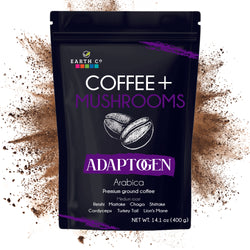
ADAPTOGEN by Earth Co Organics is a functional coffee that combines medicinal mushrooms and adaptogens for stress and focus. Rather than adding another step to your morning routine, you replace ordinary coffee with a formulation designed to support your stress response and cognitive function through evidence-based ingredients at meaningful doses.
When functional ingredients arrive through enjoyable daily rituals, consistency becomes effortless. The compounds accumulate in your system over weeks and months, producing the sustained effects that clinical research documents. This is how well-formulated functional ingredients actually work — through reliable daily presence rather than occasional heroic doses.
Start Your Functional Wellness Journey Today
Understanding that superfoods are not magic opens the door to smarter choices. Well-formulated functional ingredients backed by research, dosed appropriately, and consumed consistently offer genuine support for your health goals. The key lies in choosing products designed with formulation science rather than marketing trends.
Earth Co Organics creates functional coffees that respect these principles, combining carefully selected ingredients at effective doses in a format you will actually enjoy every day. Experience the difference that thoughtful formulation makes in your wellness routine.
Frequently Asked Questions
What makes a functional ingredient different from a superfood?
Functional ingredients are compounds studied for specific biological effects and included at clinically relevant doses. Superfoods is a marketing term without regulatory definition, while functional ingredients have measurable mechanisms of action supported by peer-reviewed research and are formulated for bioavailability and effective dosing.
Can superfoods alone improve my health?
No single food can transform your health. Research confirms that overall dietary patterns, lifestyle factors, and consistent intake of beneficial compounds matter far more than occasional consumption of trendy ingredients. Functional ingredients work best as part of a consistent daily routine alongside sleep, exercise, and a balanced diet.
How do I know if a functional food product is well-formulated?
Look for products that disclose exact ingredient amounts, use clinically studied doses, and combine complementary compounds for enhanced bioavailability. Standardization information on botanicals, transparency about sourcing, and third-party testing are strong indicators of quality formulation.