Sleep as a Supplement: Why 8 Hours of Sleep Does More Than Any Supplement Stack
Sleep as a supplement is the most underrated health intervention available. Quality sleep triggers hormone regulation, cellular repair, and cognitive restoration that no pill, powder, or stack can replicate. If you are spending hundreds on supplements but skimping on sleep, you are building a house on sand.
Why Sleep as a Supplement Outperforms Everything Else
Sleep is the foundation upon which every other health optimization rests. During the night, your body orchestrates a complex symphony of biological processes that regulate cortisol, boost growth hormone, consolidate memory, and repair damaged tissues. These processes are not optional upgrades. They are essential maintenance that cannot be outsourced to a supplement bottle.
Research confirms that sleep deprivation impairs nearly every system in your body. According to a 1997 study published in Sleep, restricting sleep to four hours per night for just six days resulted in metabolic and hormonal changes resembling early diabetes. Your HPA axis, the system governing your stress response, becomes dysregulated when sleep is insufficient.
Cortisol is a glucocorticoid hormone released by the adrenal glands in response to stress. Under normal conditions, cortisol follows a circadian rhythm, peaking in the morning and declining at night. Sleep deprivation disrupts this pattern, leading to elevated evening cortisol that interferes with recovery and promotes fat storage.
The Science of Sleep and Cellular Repair
During deep sleep stages, your body releases growth hormone in pulses that trigger tissue repair and muscle protein synthesis. Growth hormone is a peptide hormone that stimulates cell reproduction and regeneration throughout the body. Without adequate deep sleep, this anabolic window shrinks dramatically.
Muscle protein synthesis is the process by which your body builds new muscle tissue from amino acids. Leucine, a branched-chain amino acid, serves as the primary trigger for this process. However, even optimal leucine intake cannot compensate for sleep deprivation, which blunts the anabolic response to both training and nutrition.
According to a 2011 study in the Annals of Internal Medicine, participants who slept only 5.5 hours per night lost 60% more lean muscle mass during caloric restriction compared to those sleeping 8.5 hours. Evidence suggests that sleep protects muscle tissue during weight loss better than any supplement could.
Your mitochondria, the cellular powerhouses responsible for ATP production, also undergo repair and biogenesis during sleep. ATP is adenosine triphosphate, the primary energy currency of cells. Chronic sleep deprivation impairs mitochondrial function, leading to fatigue that no amount of caffeine or energy supplements can truly fix.
How Sleep Regulates Your Stress Response
The HPA axis is the hypothalamic-pituitary-adrenal axis, a complex feedback system that controls your body's response to stress. When you sleep poorly, this system becomes hyperactive, leaving you in a state of chronic low-grade stress. Nutrition experts agree that managing the HPA axis is essential for long-term health.
Adrenal fatigue is a controversial term, but the underlying concept has merit. Chronic stress and sleep deprivation do exhaust your body's ability to regulate cortisol appropriately. Clinical studies show that restoring healthy sleep patterns is one of the most effective interventions for normalizing cortisol rhythms.
Adaptogens are herbs and compounds that help modulate the stress response. While adaptogens like ashwagandha and rhodiola can support your HPA axis, they work best when sleep is already optimized. Think of adaptogens as the bonus round, not the main event. Explore our full ingredient library to understand how adaptogens complement a sleep-focused lifestyle.
Neuroplasticity is the brain's ability to form new neural connections throughout life. Sleep deprivation impairs neuroplasticity, reducing your capacity for learning, memory consolidation, and emotional regulation. No nootropic stack can replicate what eight hours of quality sleep does for your brain.
Sleep, Immunity, and Long-Term Health
Your immune system relies heavily on sleep for proper function. During sleep, your body produces cytokines, proteins that help fight infection and inflammation. Immunomodulation is the process of regulating immune responses, and sleep is the master regulator.
According to Healthline, chronic sleep deprivation increases your risk of infections, heart disease, diabetes, and obesity. These are not minor inconveniences. They are serious health consequences that no supplement stack can prevent if you are consistently under-sleeping.
Beta-glucans are polysaccharides found in certain mushrooms that support immune function. While functional mushrooms offer real benefits, they cannot replace the foundational immune support that comes from adequate rest. Sleep creates the conditions for supplements to work effectively.
Your gut microbiome also suffers when sleep is inadequate. Short-chain fatty acids like butyrate, produced by beneficial gut bacteria, depend on circadian rhythms for optimal production. Disrupted sleep alters gut barrier integrity and increases intestinal permeability, sometimes called leaky gut. Browse our functional coffee collection for products designed to support your wellness journey.
Building a Sleep-First Supplement Strategy
The smartest approach to supplementation starts with sleep optimization. Before adding another powder or capsule to your routine, audit your sleep environment and habits. Are you getting consistent 7-9 hours in a cool, dark room? Is your caffeine cutoff early enough to protect your sleep architecture?
Once sleep is dialed in, targeted supplements can amplify your results. Magnesium glycinate supports relaxation and sleep quality. Adaptogenic herbs help buffer daily stress. Collagen supports tissue repair that happens during sleep. But none of these work optimally without the foundation of adequate rest.
Fibroblasts are cells responsible for producing collagen in the dermis, the deeper layer of skin. Collagen synthesis peaks during sleep when growth hormone is elevated. This is why beauty sleep is not just a saying. It is a biological reality that affects skin elasticity and keratin production.
Consider tracking your sleep with a wearable device or simple sleep diary. Identify patterns that affect your sleep quality, then address them systematically. This data-driven approach delivers better returns than randomly adding supplements to your stack.
Start Your Morning Right After a Good Night
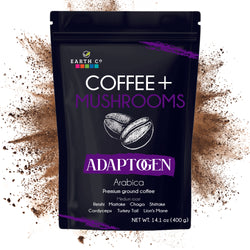
When you prioritize sleep, your morning coffee becomes a tool for enhancement rather than survival. Adaptogen, a functional coffee that combines medicinal mushrooms and adaptogens for stress and focus, pairs perfectly with a well-rested body and mind. The adaptogens support your already-balanced HPA axis instead of desperately trying to compensate for poor sleep.
Sleep as a supplement is free, effective, and available to everyone. It requires no prescription, has no side effects when done correctly, and amplifies every other healthy choice you make. Tonight, invest in the most powerful health intervention available. Your body will thank you tomorrow.
Shop Functional Coffee at Earth Co Organics
Can supplements replace sleep for recovery and performance?
No supplement can replicate the biological processes that occur during sleep. While certain supplements may support aspects of health, they cannot substitute for the hormonal regulation, cellular repair, and cognitive restoration that only happen during adequate sleep.
How does sleep deprivation affect cortisol and stress hormones?
Sleep deprivation elevates cortisol levels and disrupts the HPA axis, leading to increased stress response and impaired recovery. Even one night of poor sleep can raise cortisol by up to 45%, affecting everything from metabolism to immune function.
What happens to muscle protein synthesis during sleep?
During deep sleep, growth hormone peaks and triggers muscle protein synthesis, allowing your body to repair and build muscle tissue. Without adequate sleep, this anabolic window is significantly reduced, limiting gains regardless of protein intake or training intensity.