Prebiotics are a specialized category of dietary fiber that selectively nourish beneficial bacteria in your gut microbiome, while general dietary fiber includes all indigestible plant carbohydrates regardless of their effect on gut bacteria. Understanding the difference between prebiotics vs dietary fiber is essential for anyone serious about optimizing their digestive health. Simply eating more fiber does not guarantee you are feeding the right microbes.
Understanding Prebiotics vs Dietary Fiber: The Scientific Distinction
Dietary fiber is a broad term describing all plant-based carbohydrates that resist digestion in the small intestine. This includes cellulose from vegetables, lignin from grains, and various other structural plant compounds. Fiber is categorized as either soluble or insoluble, and while both support digestive regularity, they behave very differently once they reach your colon.
Prebiotics are a specific subset of soluble fiber that meet three scientific criteria established by the International Scientific Association for Probiotics and Prebiotics (ISAPP). First, they must resist digestion in the upper gastrointestinal tract. Second, they must be fermented by intestinal microorganisms. Third, and most importantly, they must selectively stimulate the growth of beneficial bacteria associated with health and wellbeing. Not all fiber meets these three criteria — which is exactly what makes the prebiotics vs dietary fiber distinction so clinically important.
Why Your Gut Microbiome Responds Differently to Different Fibers
Your gut microbiome is a complex community of trillions of microorganisms that play crucial roles in digestion, immunity, and even mental health. Different bacterial species have evolved to ferment specific types of carbohydrates based on their enzyme capabilities. This means the fiber you consume directly shapes which bacteria thrive in your intestinal environment.
When beneficial bacteria ferment prebiotic fibers, they produce short-chain fatty acids including butyrate, acetate, and propionate. Butyrate is particularly important because it serves as the primary energy source for colonocytes, the cells lining your colon. Research confirms that adequate butyrate production supports gut barrier integrity and reduces intestinal permeability.
Insoluble fibers like cellulose and lignin, while valuable for adding bulk to stool and promoting regularity, pass through the colon largely unfermented. They do not produce the same beneficial short-chain fatty acids or selectively feed probiotic bacteria. This is why clinical studies show that prebiotic supplementation produces measurable changes in microbiome composition while general fiber intake may not.
The Most Effective Prebiotic Fibers for Gut Health
Not all prebiotic fibers are created equal in their ability to support your gut microbiome. Inulin is one of the most well-studied prebiotics, found naturally in chicory root, garlic, onions, and Jerusalem artichokes. This fructan-type fiber has consistently demonstrated the ability to increase beneficial Bifidobacteria populations in clinical trials.
Fructooligosaccharides, often abbreviated as FOS, are shorter chain versions of inulin that ferment more rapidly in the proximal colon. Galactooligosaccharides, or GOS, are another powerful prebiotic class that particularly supports Lactobacillus growth. These prebiotic compounds work synergistically when consumed together, creating a more diverse and resilient microbiome.
Resistant starch is another prebiotic that deserves attention from anyone exploring the prebiotics vs dietary fiber question. Found in cooked and cooled potatoes, green bananas, and legumes, resistant starch reaches the colon intact where it becomes food for beneficial bacteria. Unlike regular starch that breaks down into glucose, resistant starch behaves like a prebiotic fiber.
When comparing prebiotic sources, the key differences come down to fermentation speed, location in the colon, and which bacterial species they preferentially feed:
- Inulin and FOS: ferment in the proximal colon, strongly bifidogenic, found in chicory root, garlic, and onions
- GOS (galactooligosaccharides): support both Bifidobacteria and Lactobacillus, commonly added to functional foods
- Resistant starch: ferments more slowly throughout the colon, feeds a broader range of beneficial species including butyrate producers
- Beta-glucan: found in oats and barley, supports microbiome diversity and has additional cardiovascular benefits
How Prebiotics Support the Gut Barrier and Reduce Inflammation
The gut barrier is a single layer of epithelial cells that separates the contents of your intestines from your bloodstream. When this barrier becomes compromised, a condition called increased intestinal permeability develops. Partially digested food particles, bacteria, and toxins can then enter circulation, triggering systemic inflammation and immune responses.
Clinical studies show that the short-chain fatty acids produced during prebiotic fermentation directly strengthen tight junctions between intestinal cells. Butyrate in particular has been shown to upregulate proteins that maintain barrier integrity, supporting gut health at a structural level.
Beyond barrier function, prebiotics influence immune modulation throughout the body. Research estimates that the gut-associated lymphoid tissue (GALT) harbors up to 70 percent of the body's lymphocyte population, making it the largest immunological organ in the body. By shaping microbiome composition, prebiotics indirectly regulate immune function and inflammatory responses. This connection between gut health and systemic wellness is why the prebiotics vs dietary fiber distinction matters so much.
If you experience bloating, irregular digestion, or general gut discomfort, examining your prebiotic intake rather than just total fiber may provide answers. Many people consume adequate fiber but lack the specific prebiotic compounds that truly nourish beneficial bacteria.
Building a Prebiotic-Rich Daily Routine
Incorporating more prebiotics into your diet does not require dramatic changes. Start by adding prebiotic-rich foods like garlic and onions to meals you already enjoy. A serving of oats with sliced banana at breakfast provides both beta-glucan fiber and resistant starch to begin your morning with gut support.
Consistency matters more than quantity when building beneficial bacterial populations. Research suggests that daily prebiotic consumption produces more stable microbiome changes than occasional large doses. Aim for variety in your prebiotic sources to support diverse bacterial species rather than favoring just one or two.
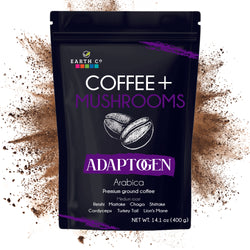
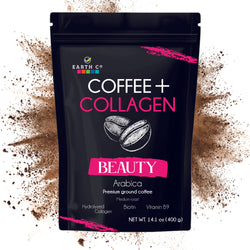
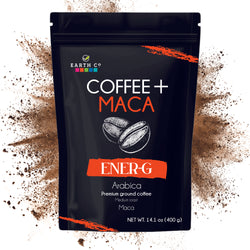
For those who find it challenging to consume adequate prebiotics through whole foods alone, functional beverages offer a convenient solution. Explore Earth Co Organics' full collection of functional coffees designed with digestive wellness in mind. Combining your morning coffee ritual with targeted gut support makes prebiotic consumption effortless and enjoyable.
Pay attention to how your body responds as you increase prebiotic intake. Some people experience temporary gas or bloating as their microbiome adjusts. Starting with smaller amounts and gradually increasing allows your gut bacteria to adapt without discomfort.
Start Feeding Your Good Bacteria the Right Way
Understanding the difference between prebiotics vs dietary fiber empowers you to make smarter choices for your gut microbiome. General fiber supports regularity and cardiovascular health, but only specific prebiotic fibers selectively nourish the beneficial bacteria that produce butyrate and other short-chain fatty acids essential for gut barrier integrity.
Digest Pro by Earth Co Organics is a functional coffee that combines prebiotics and postbiotics for gut health, offering a delicious way to support your microbiome with every cup. By combining your daily coffee ritual with scientifically-backed gut support, you can nourish your beneficial bacteria without adding complexity to your routine.
Frequently Asked Questions
Is all fiber considered a prebiotic?
No, not all fiber is prebiotic. While all prebiotics are a type of fiber, only specific fibers that selectively feed beneficial gut bacteria qualify as prebiotics. Insoluble fibers like cellulose pass through largely unchanged and do not ferment in the colon to produce beneficial short-chain fatty acids.
What are the best prebiotic foods to eat daily?
The best prebiotic foods include chicory root, garlic, onions, leeks, asparagus, bananas, and Jerusalem artichokes. These contain high concentrations of inulin and fructooligosaccharides that effectively nourish beneficial Bifidobacteria and Lactobacillus species in your gut.
How long does it take for prebiotics to improve gut health?
Research suggests that positive changes in gut microbiome composition can occur within two to four weeks of consistent prebiotic consumption. However, individual results vary based on your baseline gut health, diet quality, and the type and amount of prebiotics consumed.