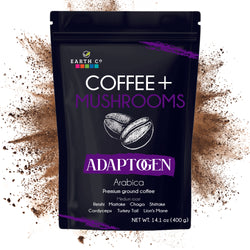
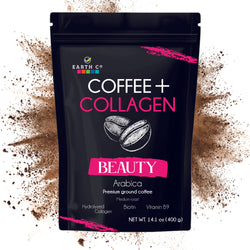
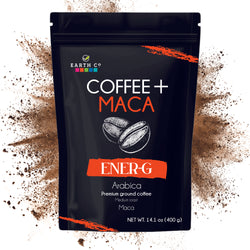
There is something deeply satisfying about brewing coffee the Italian way. Whether you reach for a classic moka pot or fire up your espresso machine, the ritual connects you to generations of coffee lovers who understood that great coffee is both art and science. When you brew Digest Pro using these traditional Italian methods, you unlock a richer, more concentrated experience that highlights the carefully selected digestive-supporting ingredients in every cup.
How to Brew Digest Pro with a Moka Pot
The moka pot, invented in 1933 by Alfonso Bialetti, remains one of the most beloved brewing methods in Italian households — and for good reason. Its pressurized steam extraction produces a bold, concentrated brew that sits between drip coffee and espresso in strength and body.
To brew Digest Pro in your moka pot, follow these steps:
- Water level: fill the bottom chamber with cold or room-temperature water just below the safety valve — never above it
- Grind size: medium-fine, similar to table salt — finer than drip but not as fine as espresso
- Loading the basket: fill the filter basket with ground coffee and level it off without tamping — moka pots are not designed for compressed grounds
- Heat: place on medium flame and leave the lid open; remove from heat as soon as you hear the characteristic gurgling sound to avoid over-extraction
- Serve immediately: pour into a pre-warmed cup to preserve aromatic compounds and temperature
The result is a concentrated, full-bodied cup with pronounced crema-like foam and an earthy complexity that highlights the functional ingredients in Digest Pro.
How to Brew Digest Pro with an Espresso Machine
For espresso machines, the process demands more precision but rewards the effort with exceptional consistency and the fullest expression of Digest Pro's flavor profile. Espresso machines typically operate at 9 bars of pressure — significantly more than the 1-2 bars of a moka pot — which produces a denser extraction with more complete solubility of coffee's bioactive compounds.
Follow these parameters for an optimal Digest Pro espresso:
- Dose: 18-20 grams of finely ground Digest Pro per double shot
- Grind size: fine — almost powdery but not talc-fine; adjust based on your specific machine
- Tamp pressure: approximately 30 pounds of even, level pressure — consistency matters more than force
- Extraction time: 25-30 seconds for a double shot — shorter produces sour under-extraction, longer produces bitter over-extraction
- Yield: aim for 36-40 grams of liquid from an 18-gram dose (approximately 1:2 brew ratio)
The resulting shot should show a rich reddish-brown crema, a thick body, and a flavor that balances Digest Pro's coffee character with the earthy notes of its functional ingredients.
The Science Behind Moka Pot and Espresso Machine Pressure Brewing
Pressure brewing is not just about intensity — it fundamentally changes which compounds are extracted from the coffee grounds and how efficiently. At 9 bars of pressure, hot water is forced through the coffee bed at a rate that solubilizes oils, aromatics, and other compounds that lower-pressure methods leave behind.
Research on coffee extraction confirms that pressure brewing methods preserve and concentrate polyphenols and chlorogenic acids — the same bioactive compounds that make coffee itself a health-supporting beverage. When these methods are used with a functional coffee like Digest Pro, the concentrated extraction creates an ideal delivery format for its prebiotic and postbiotic ingredients.
The moka pot's 1-2 bars produces a less concentrated but still pressure-assisted extraction that extracts more efficiently than French press or drip. Both methods are superior to cold immersion for maximizing the solubility of water-soluble functional compounds. Explore Earth Co Organics' full functional coffee catalog to find all available Digest Pro formats.
Moka Pot vs Espresso Machine: Which Is Better for Digest Pro?
Neither method is objectively superior — the right choice depends on your lifestyle, equipment, and taste preferences. Here is how they compare for brewing Digest Pro specifically:
- Moka pot strengths: accessible, affordable, no electricity required, produces a bold and forgiving brew, ideal for beginners and those who prefer a slightly larger volume
- Espresso machine strengths: more precise, higher pressure extraction, true crema, better consistency across multiple shots, ideal for those who want an authentic espresso experience
- Flavor profile difference: moka pot produces a slightly more bitter, robust cup; espresso machine produces a more balanced, aromatic shot with better crema development
- Consistency: espresso machines are more consistent once dialed in; moka pots require more attention to heat and timing
For most people, both methods work excellently with Digest Pro. Start with the equipment you already own and refine your technique from there.
Tips for the Perfect Italian-Style Digest Pro
Beyond the basics, a few practical details make a significant difference in the final cup. Pre-warming your cup with hot water before brewing preserves the temperature of the extraction and maintains the aromatic compounds. For moka pots, using water that is already heated (not cold tap water) reduces extraction time and prevents the grounds from sitting too long on the stove before brewing begins.
For espresso, purge your group head with a brief blast of water before loading the portafilter — this stabilizes the temperature and clears residual grounds from the previous shot. Consistent tamping technique matters more than tamp pressure, so develop a repeatable motion you can replicate each morning.
Start Your Italian Coffee Ritual Today
Whether you are a moka pot traditionalist or an espresso enthusiast, brewing Digest Pro the Italian way transforms your morning routine into something special. You get the concentrated flavor, the ritual, and the functional benefits that support your digestive wellness throughout the day.
Digest Pro by Earth Co Organics combines prebiotics and postbiotics with organic coffee, giving you gut health support in a format designed to fit seamlessly into the coffee ritual you already love.
Frequently Asked Questions
Can I use Digest Pro in any coffee maker or only moka pot and espresso?
Digest Pro works with any brewing method — drip, French press, pour-over, cold brew, moka pot, or espresso machine. However, pressure brewing methods like moka pot and espresso machine produce a more concentrated extraction that many people prefer for functional coffees. The prebiotic and postbiotic ingredients in Digest Pro are water-soluble and extract effectively across all brewing methods.
Does the brewing method affect the functional ingredients in Digest Pro?
The functional ingredients in Digest Pro — prebiotics and postbiotics — are water-soluble compounds that dissolve effectively across different brewing temperatures and pressures. Pressure brewing at higher temperatures may slightly affect heat-sensitive compounds, but the core prebiotic and postbiotic ingredients are formulated to remain stable through the brewing process.
What grind size should I use for Digest Pro in a moka pot?
For a moka pot, use a medium-fine grind similar to table salt. This is coarser than espresso grind but finer than drip coffee. Too fine a grind can clog the filter basket and create dangerous pressure buildup; too coarse produces a weak, under-extracted cup. If your moka pot is slow to brew or the coffee tastes bitter, try a slightly coarser grind first.