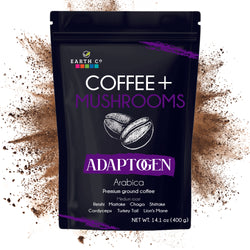
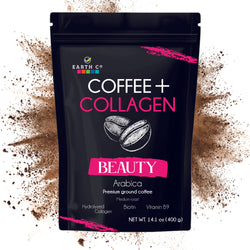
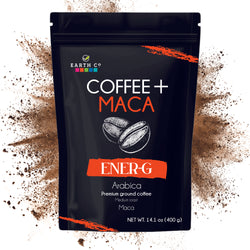
Medium roast arabica is a better base for functional ingredients because it preserves more antioxidants, has balanced acidity, and offers a smoother flavor profile that complements adaptogens, collagen, and other wellness compounds. Dark roasting degrades beneficial chlorogenic acids and creates bitter notes that can clash with functional additions.
Understanding Why Medium Roast Arabica Matters for Functional Coffee
When you add functional ingredients to coffee, the base matters more than most people realize. The roast level and bean variety directly impact both the nutritional value of your cup and how well those added ingredients perform. Medium roast arabica has emerged as the gold standard for functional coffee formulations, and the science behind this choice is compelling.
Chlorogenic acids are polyphenolic compounds found naturally in coffee beans that act as powerful antioxidants. A 2012 study published in the Journal of Agricultural and Food Chemistry (PMID 22069253) confirmed that chlorogenic acid content in coffee beans decreases progressively with roasting intensity. Light and medium roasted coffees retain significantly higher chlorogenic acid levels compared to dark roasts — with the most intense dark roasts losing up to 90% of these beneficial compounds. These polyphenols support healthy glucose metabolism and provide anti-inflammatory benefits that complement other functional ingredients.
The roasting process involves the Maillard reaction, where amino acids and sugars interact under heat to create flavor compounds. While this reaction produces the beloved coffee taste, extended roasting times break down delicate bioactive compounds. Medium roast hits the sweet spot where flavor development is complete but antioxidant degradation remains minimal. As we explored in our comparison of ground coffee vs instant coffee for gut health, roast degree is the primary driver of chlorogenic acid content — making medium roast the optimal starting point for any functional formulation.
The Arabica Advantage: Why Bean Variety Matters for Medium Roast
Arabica and robusta are the two primary coffee species, and they differ dramatically in chemical composition. Arabica beans contain roughly 60% more lipids and nearly double the natural sugars of robusta beans. This translates to a smoother, more nuanced cup that serves as an ideal canvas for functional ingredients.
Robusta beans contain approximately twice the caffeine of arabica, which creates problems for functional formulations. Excessive caffeine can trigger cortisol spikes and stress the HPA axis, counteracting the benefits of calming adaptogens. The moderate caffeine content in arabica supports sustained energy without overwhelming your adrenal system.
The flavor profile of medium roast arabica also matters for functional coffee enjoyment. Bitter, burnt notes from dark roasting can clash with the earthy taste of medicinal mushrooms or the subtle sweetness of collagen peptides. Medium roast provides a balanced, slightly sweet base that harmonizes with diverse functional additions.
How Roast Level Affects Bioavailability of Functional Ingredients
Bioavailability refers to how efficiently your body can absorb and utilize nutrients. The pH level, chemical composition, and temperature of your coffee all influence how well functional ingredients are absorbed. Medium roast arabica creates optimal conditions for ingredient bioavailability.
When functional ingredients like adaptogens or beta-glucans from medicinal mushrooms enter a delivery matrix with excessive bitter compounds or degraded coffee chemistry, their effectiveness may be compromised. Research confirms that the delivery matrix significantly impacts how well bioactive compounds perform. Starting with a high-quality medium roast base sets the stage for maximum benefit from every functional ingredient.
The mitochondria in your cells rely on various cofactors and nutrients to produce ATP, the energy currency of your body. Functional ingredients designed to support cellular energy work best when delivered in a balanced, nutrient-preserving base — and medium roast arabica provides this foundation without the oxidative stress compounds that can come from heavily charred dark roast profiles.
The Science of Chlorogenic Acid Preservation in Medium Roast
Chlorogenic acids are among the most studied beneficial compounds in coffee. These antioxidants support healthy blood sugar levels, reduce inflammation, and may protect against certain chronic diseases. However, they are heat-sensitive and degrade significantly during extended roasting.
A 2011 study in Molecular Nutrition and Food Research (PMID 21809439) demonstrated that coffee roasting progressively reduces chlorogenic acid content, with the most intensely roasted coffees losing the vast majority of these beneficial compounds. Medium roast retains a substantial portion while still achieving full flavor development — making it the optimal choice when coffee is functioning as a delivery vehicle for additional wellness ingredients.
The key polyphenol advantages of medium roast arabica for functional coffee:
- Higher CGA retention: medium roast retains significantly more chlorogenic acids than dark roast — the primary antioxidants that support gut microbiome diversity and glucose metabolism
- Balanced acidity: more moderate pH creates a gentler environment for gut barrier function and ingredient absorption
- Lower oxidative compounds: dark roasting creates additional bitter compounds that may interfere with the performance of functional additives
- Flavor compatibility: smooth, balanced notes allow functional ingredients like adaptogens and mushrooms to integrate naturally rather than creating unpleasant combinations
Flavor Harmony: Why Taste Matters for Daily Wellness Rituals
The best functional coffee in the world means nothing if you do not enjoy drinking it. Research on behavioral compliance confirms that sensory satisfaction drives long-term habit formation — and medium roast arabica provides a universally appealing flavor profile that makes daily consumption a pleasure rather than a chore.
Dark roast coffee develops intense, smoky, and sometimes burnt flavors that dominate the cup. These powerful notes can overwhelm the subtle tastes of functional ingredients or create unpleasant flavor combinations. Consider how adaptogenic mushrooms like reishi or lion's mane have earthy, slightly bitter notes — paired with burnt dark roast, the bitterness compounds uncomfortably. Paired with smooth medium roast arabica, the earthy notes integrate naturally into a complex, enjoyable cup.
This is why formulators consistently choose medium roast as their base. Explore Earth Co Organics' full functional coffee catalog to see how each blend leverages premium medium roast arabica as its foundation.
Elevate Your Morning Ritual with Science-Backed Functional Coffee
Choosing the right coffee base is the first step toward maximizing the benefits of functional ingredients. Medium roast arabica preserves antioxidants, provides balanced acidity, and offers a flavor profile that harmonizes with adaptogens, collagen, prebiotics, and other wellness compounds. This combination creates the optimal foundation for functional coffee that truly delivers.
At Earth Co Organics, we use premium medium roast arabica as the base for all our formulations. Whether you choose ADAPTOGEN, a functional coffee that combines medicinal mushrooms and adaptogens for stress and focus, or any other blend in our lineup, you are starting with the best possible foundation for your wellness journey.
Frequently Asked Questions
Does medium roast coffee have more antioxidants than dark roast?
Yes — research consistently confirms that medium roast coffee retains significantly more chlorogenic acids and other antioxidants compared to dark roast. The extended roasting time required for dark roast degrades these beneficial compounds, with the most intense roasts losing up to 90% of total chlorogenic acid content. Medium roast is the superior choice for health-focused functional coffee formulations.
Why is arabica better than robusta for functional coffee?
Arabica beans contain approximately 60% more lipids and nearly twice the concentration of natural sugars compared to robusta. This creates a smoother flavor profile that complements functional ingredients without the harsh bitterness that can clash with adaptogens and botanicals. Arabica also has roughly half the caffeine of robusta, supporting balanced energy without the cortisol-spiking effects of excessive caffeine.
Can the roast level affect how well my body absorbs functional ingredients?
Research suggests that the chemical composition and pH balance of your coffee base can influence nutrient absorption and the performance of functional additives. Medium roast arabica retains more beneficial polyphenols, has a more balanced acidity, and creates a gentler gut environment compared to heavily roasted alternatives — making it a superior delivery matrix for adaptogens, collagen, prebiotics, and other functional ingredients.