Lion's Mane and Neuroplasticity: What the Science Says and What Marketing Exaggerates
Lion's mane and neuroplasticity share a fascinating connection: this medicinal mushroom contains compounds that may stimulate nerve growth factor (NGF) production, potentially supporting the brain's ability to form new neural connections. Neuroplasticity is the brain's capacity to reorganize itself by forming new neural pathways throughout life. While preliminary research is promising, the gap between laboratory findings and marketing claims deserves honest examination.
Understanding Lion's Mane and Neuroplasticity: The Basic Science
Lion's mane (Hericium erinaceus) is a white, shaggy mushroom that has been used in traditional Asian medicine for centuries. Modern research has identified two unique compound families in lion's mane: hericenones found in the fruiting body and erinacines found in the mycelium. These compounds can cross the blood-brain barrier, which is why researchers find them so intriguing for neurological applications.
Neuroplasticity refers to the brain's remarkable ability to change and adapt throughout life. This includes forming new synaptic connections, strengthening existing pathways, and even generating new neurons in certain brain regions. The HPA axis, which regulates stress response, also influences neuroplasticity—chronic cortisol elevation can impair the brain's adaptive capacity.
The theoretical connection is compelling: if lion's mane compounds can stimulate NGF production, they might support the biological processes underlying neuroplasticity. NGF is a protein essential for the growth, maintenance, and survival of neurons. Without adequate NGF, neurons can deteriorate, potentially contributing to cognitive decline.
What Peer-Reviewed Research Actually Shows
Laboratory studies have demonstrated that lion's mane extracts can stimulate NGF synthesis in cell cultures. According to a 2013 study published in the Journal of Agricultural and Food Chemistry, hericenones and erinacines promoted NGF gene expression in isolated nerve cells. This foundational research sparked interest in lion's mane as a potential cognitive support compound.
Human clinical trials, while limited, offer some encouraging data. A 2009 double-blind, placebo-controlled study published in Phytotherapy Research found that Japanese adults aged 50-80 with mild cognitive impairment showed improved cognitive function scores after taking lion's mane extract for 16 weeks. Importantly, cognitive function declined after supplementation stopped, suggesting ongoing use may be necessary for sustained benefits.
Animal studies have shown more dramatic results. Mice given lion's mane extract demonstrated improved spatial memory and recognition. Researchers observed increased hippocampal neurogenesis—the birth of new neurons in the brain's memory center. These findings support the neuroplasticity hypothesis, though translating animal results to humans requires caution.
Beta-glucans, the polysaccharides found in lion's mane, also contribute to its health profile through immunomodulation. While not directly related to neuroplasticity, this immune-supporting activity may indirectly benefit brain health by reducing systemic inflammation.
Where Marketing Claims Outpace the Evidence
Here's where we need to pump the brakes. Some supplement brands make extraordinary claims that the current evidence simply doesn't support. Promises of "instant cognitive enhancement," "reversing brain damage," or "curing neurodegenerative diseases" dramatically overstate what research has demonstrated.
The honest truth is that most human studies have been small, short-term, and focused on specific populations like older adults with existing cognitive concerns. We don't have robust evidence that lion's mane provides significant cognitive benefits to healthy young adults. The dramatic improvements seen in mice don't automatically translate to human brains, which are far more complex.
Dosage is another area where marketing gets murky. Many commercial products contain far less lion's mane than what was used in clinical studies. Extract quality varies enormously—some products use primarily mycelium grown on grain, which may contain more starch than active compounds. The fruiting body generally contains higher concentrations of hericenones, but not all products specify their source.
Claims about treating anxiety, depression, or ADHD with lion's mane lack sufficient clinical evidence. While reducing cortisol and supporting healthy stress response could theoretically benefit mental health, we need more human trials before making therapeutic claims. Responsible brands acknowledge these limitations rather than overpromising.
How to Evaluate Lion's Mane Products Intelligently
Not all lion's mane supplements are created equal. When evaluating products, look for extracts derived from the fruiting body, or combinations of fruiting body and mycelium. Check whether the product specifies beta-glucan content—higher percentages generally indicate more potent extracts. Third-party testing for purity and potency adds another layer of confidence.
Understanding the ingredients in any supplement matters tremendously. Dual extraction methods (using both water and alcohol) capture a broader spectrum of beneficial compounds. Single extraction methods may miss important constituents. Transparency about sourcing, extraction methods, and testing should be standard practice.
Combining lion's mane with other adaptogenic compounds may offer synergistic benefits. Medicinal mushrooms like reishi and cordyceps share some mechanisms with lion's mane while offering complementary effects. Adaptogens that support the HPA axis and healthy cortisol levels could theoretically enhance the neuroplasticity-supporting environment in the brain.
When you shop for functional mushroom products, realistic expectations serve you better than wishful thinking. Think of lion's mane as potential long-term brain support rather than an instant cognitive upgrade. Consistency over months, combined with other brain-healthy habits, offers the most sensible approach.
Integrating Lion's Mane Into a Brain-Healthy Lifestyle
Neuroplasticity doesn't depend on any single supplement—it responds to your entire lifestyle. Sleep quality profoundly influences the brain's ability to consolidate memories and form new connections. Exercise increases brain-derived neurotrophic factor (BDNF), another crucial growth factor for neural health. Chronic stress and elevated cortisol impair neuroplasticity, making stress management essential.
Research confirms that learning new skills, social connection, and cognitive challenges all stimulate neuroplastic changes. Lion's mane, if it does support NGF production, would complement these activities rather than replace them. Think of it as one tool in a comprehensive cognitive wellness toolkit.
Diet plays a significant role in brain health. Omega-3 fatty acids, antioxidants, and anti-inflammatory foods create an environment where neuroplasticity can flourish. Reducing processed foods and excessive sugar may protect the brain from oxidative stress and inflammation that could impair neural function.
For those managing chronic stress, supporting healthy cortisol patterns through adaptogens may create better conditions for neuroplasticity. When the body isn't in constant fight-or-flight mode, the brain has more resources available for growth and adaptation. This is where combining lion's mane with other adaptogenic compounds could make theoretical sense.
Experience Balanced Brain Support With Your Morning Coffee
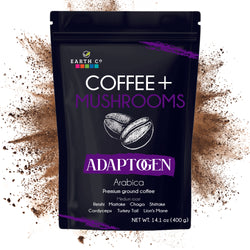
If you're curious about incorporating lion's mane and other functional mushrooms into your routine, consider Adaptogen, a functional coffee that combines medicinal mushrooms and adaptogens for stress and focus. This approach delivers potential neuroplasticity support alongside the ritual you already love, without requiring additional pills or powders.
Evidence suggests that consistent, quality supplementation combined with healthy lifestyle choices offers the most sensible path to cognitive wellness. Rather than chasing miracle cures, focus on sustainable habits that support your brain over the long term. Your morning coffee can be part of that journey.
Discover Adaptogen Functional Coffee Today
How long does it take for lion's mane to affect neuroplasticity?
Research suggests that lion's mane compounds may begin supporting nerve growth factor production within weeks of consistent use. However, measurable cognitive improvements in human studies typically appear after 8-16 weeks of daily supplementation. Individual responses vary based on dosage, extract quality, and baseline cognitive function.
What is the difference between lion's mane fruiting body and mycelium?
The fruiting body is the visible mushroom cap containing concentrated bioactive compounds like hericenones. Mycelium is the root-like network that grows underground or in substrate, containing different compounds called erinacines. Both contain beneficial beta-glucans, but fruiting body extracts are generally considered more potent for neurological benefits.
Can lion's mane really improve memory and focus?
Clinical evidence suggests lion's mane may support mild cognitive improvements in specific populations, particularly older adults with mild cognitive impairment. However, claims of dramatic memory enhancement in healthy young adults lack strong scientific support. Realistic expectations include subtle improvements in mental clarity and focus over time.