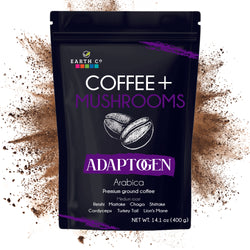
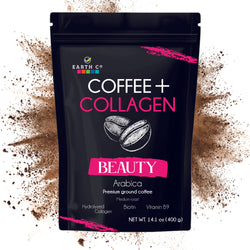
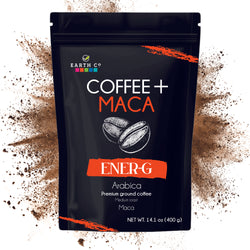
Hydrolyzed collagen is collagen protein that has been enzymatically broken down into smaller peptides for better absorption. Adding hydrolyzed collagen in your coffee delivers amino acids like glycine, proline, and hydroxyproline directly to your dermis, supporting skin elasticity, joint health, and connective tissue repair. Most brands fail because they use the wrong collagen type, insufficient dosing, or poor-quality sourcing that limits bioavailability.
Why Hydrolyzed Collagen in Your Coffee Actually Works
The science behind collagen supplementation has evolved dramatically over the past decade. Collagen peptides are short chains of amino acids derived from native collagen through a process called hydrolysis. This process reduces the molecular weight from approximately 300,000 daltons to just 2,000-5,000 daltons, making absorption through the intestinal wall significantly more efficient.
When you consume hydrolyzed collagen, these peptides travel through your bloodstream and signal fibroblasts — the cells responsible for producing collagen in your body — to increase their activity. A 2019 systematic review published in the Journal of Drugs in Dermatology (Choi et al., PMID 30681787) analyzed 11 randomized controlled trials with 805 patients and found that oral collagen peptide supplementation significantly improved skin hydration, elasticity, and dermal collagen density. Most included studies used 2.5-10g daily for 8 to 24 weeks. This is verified cellular biology, not marketing.
Coffee serves as an ideal delivery vehicle. The warm liquid helps dissolve the peptides completely, the daily ritual ensures consistent dosing, and properly hydrolyzed collagen disappears seamlessly into your morning brew without clumping or affecting flavor.
Understanding Collagen Types: Where Most Brands Miss the Mark on Hydrolyzed Collagen
Not all collagen is created equal, and this is where the supplement industry frequently misleads consumers. There are at least 28 types of collagen in the human body, but Types I, II, and III account for the vast majority of supplementation benefits. Type I collagen comprises approximately 90% of your body's collagen and is the primary structural protein in skin, tendons, and bones. Type III collagen works alongside Type I in the dermis and blood vessels, supporting skin elasticity.
Many brands advertise "multi-collagen" formulas containing five or more types, but research confirms that Type I and III from bovine or marine sources deliver the most documented benefits for skin and beauty applications. Type II collagen, derived primarily from chicken cartilage, targets joint health specifically but does not contribute meaningfully to skin improvements.
The source matters. Marine collagen, extracted from fish scales and skin, offers smaller peptide sizes that may enhance absorption compared to bovine sources. Bovine collagen from grass-fed cattle provides a robust amino acid profile at a more accessible price point. Both sources can be effective when properly hydrolyzed and dosed appropriately — the hydrolysis quality matters more than the source alone.
The Bioavailability Problem: Why Cheap Hydrolyzed Collagen Doesn't Work
Bioavailability refers to the proportion of a nutrient that enters circulation and produces an active effect. Many budget collagen supplements fail this critical test because of inadequate hydrolysis, poor sourcing, or fillers that interfere with absorption. When collagen is not properly broken down, it passes through your digestive system without delivering amino acids to target tissues.
Research published in the Journal of Agricultural and Food Chemistry confirms that collagen peptide size directly correlates with absorption rates — smaller peptides (under 3,000 daltons) show significantly higher intestinal absorption than larger peptide fragments. This is why the hydrolysis process quality matters more than simply listing collagen on an ingredient panel.
Look for supplements that specify their hydrolysis method and peptide size range. Reputable brands invest in third-party testing to verify peptide size distribution and amino acid profiles. Explore Earth Co Organics' full functional coffee catalog for products that prioritize transparency about sourcing, processing methods, and bioavailability.
Another common issue involves combining collagen with ingredients that compete for absorption. High-fiber additives and certain minerals can bind to collagen peptides and reduce their effectiveness. The simplicity of collagen in coffee avoids most of these interactions, providing a clean and efficient delivery system.
The Amino Acid Profile That Makes Hydrolyzed Collagen Unique
Collagen contains a distinctive amino acid composition that sets it apart from other protein sources. Glycine comprises approximately 33% of collagen's amino acid content, while proline and hydroxyproline together account for another 22%. This specific combination stimulates your body's natural collagen synthesis pathways in ways that other proteins cannot replicate.
Glycine serves as a building block for creatine, glutathione, and collagen itself. It also functions as an inhibitory neurotransmitter, potentially explaining why some people report improved sleep quality when supplementing with collagen. Proline and hydroxyproline are hydroxylated amino acids relatively rare in the modern diet, making supplementation particularly valuable.
Your fibroblasts require these specific amino acids to synthesize new collagen fibers in the dermis. Without adequate dietary intake, your body prioritizes collagen for vital organs over cosmetic tissues like skin and hair. This explains why consistent collagen supplementation often produces visible results — you are providing raw materials your body has been rationing.
How to Choose the Right Hydrolyzed Collagen Coffee
When shopping for collagen coffee, several factors distinguish effective products from marketing hype. The most important criteria to evaluate:
- Collagen type: Type I and III for skin, hair, and nails; Type II only if joint health is the primary goal
- Dosage per serving: clinical studies typically use 5-10g daily — products with only 1-2g per serving may underdeliver meaningfully
- Sourcing and processing: grass-fed bovine or wild-caught marine sources; enzymatic hydrolysis producing peptides under 5,000 daltons for optimal absorption
- Minimal additives: avoid artificial sweeteners, fillers, and compounds that compete with collagen peptide absorption
- Complementary ingredients: biotin supports keratin production, vitamin C is an essential cofactor for collagen synthesis — look for formulas that include these
Consistency matters more than occasional mega-dosing. Your body synthesizes collagen continuously, and providing a steady daily supply of peptides through your morning coffee produces better results than sporadic supplementation.
Start Your Hydrolyzed Collagen Coffee Ritual Today
Understanding the science behind hydrolyzed collagen empowers you to make informed choices about your supplementation strategy. The right collagen type, proper hydrolysis, adequate dosing, and clean sourcing transform a trendy ingredient into genuine nutritional support for your skin, hair, nails, and connective tissues.
BEAUTY by Earth Co Organics is a functional coffee that combines hydrolyzed collagen and biotin for skin, hair, and nails, delivering clinically relevant doses of Type I and III collagen peptides in every cup. No measuring, no mixing, no separate supplement to remember — just your morning coffee working harder for your health and appearance.
Frequently Asked Questions
Can you put hydrolyzed collagen in hot coffee?
Yes, hydrolyzed collagen peptides are heat-stable and dissolve easily in hot coffee without clumping. The hydrolysis process has already broken down the protein into smaller peptides, so typical coffee temperatures will not damage the amino acid structure or meaningfully reduce bioavailability.
How much hydrolyzed collagen should I take daily?
Research suggests 2.5 to 15 grams of hydrolyzed collagen daily can provide benefits, with most clinical studies showing positive results at 5 to 10 grams per day. Consistency matters more than taking large single doses — a daily coffee ritual delivering a consistent dose is an ideal delivery method for building collagen over time.
What is the difference between collagen and hydrolyzed collagen?
Regular collagen consists of large protein molecules that are difficult for the body to absorb — molecular weight around 300,000 daltons. Hydrolyzed collagen has been enzymatically broken down into smaller peptides, typically 2,000 to 5,000 daltons, making it far more bioavailable and easier to digest. This is the critical distinction that determines whether a collagen supplement actually reaches your skin, joints, and connective tissues.