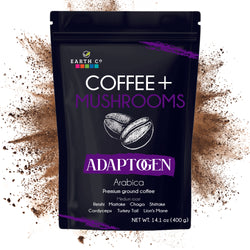
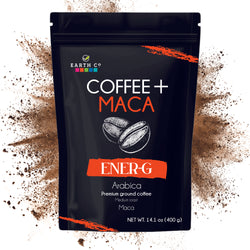
Functional coffee is coffee enhanced with bioactive ingredients like MCT oil, adaptogens, and medicinal mushrooms designed to support cognitive performance beyond what caffeine alone provides. When you combine the natural alertness of coffee with brain-supporting compounds like MCT oil and lion's mane, you create a powerful productivity tool backed by emerging science. This is how functional coffee can improve your productivity by targeting multiple pathways in brain energy and neuroplasticity.
Why Functional Coffee Can Improve Your Productivity More Than Regular Coffee
Regular coffee delivers caffeine, which blocks adenosine receptors and temporarily increases alertness. However, this mechanism has limitations, including energy crashes, jitters, and tolerance buildup over time. Functional coffee addresses these gaps by adding ingredients that support sustained cognitive function through different biological pathways.
MCT oil is a medium-chain triglyceride derived from coconut or palm kernel oil that the liver rapidly converts into ketones — an efficient alternative fuel source for the brain that provides energy without relying solely on glucose. This dual-fuel approach helps maintain mental clarity even when blood sugar levels fluctuate throughout your workday.
Lion's mane is a medicinal mushroom containing bioactive compounds called hericenones and erinacines. These compounds have been studied for their ability to stimulate nerve growth factor (NGF) production, which supports neuroplasticity and healthy brain cell maintenance. When combined with caffeine and MCT oil, lion's mane creates a comprehensive cognitive support system.
The Science Behind MCT Oil and Brain Performance
MCT oil works differently than other fats because of its shorter carbon chain length. Unlike long-chain fatty acids that require bile and extensive digestion, MCTs travel directly to the liver where they are converted into ketones within minutes. This rapid conversion makes them an immediately available energy source for brain cells.
A 2016 double-blind randomized crossover study published in Psychopharmacology (Ota et al., PMID 27568199) examined the effects of MCT supplementation versus placebo on cognition in patients with mild to moderate Alzheimer's disease. The MCT intervention significantly improved cognitive performance, and the authors proposed that ketone availability — as an alternative brain energy substrate when glucose metabolism is impaired — is the primary mechanism. This research supports the concept that providing the brain with ketone fuel can meaningfully impact cognitive performance in populations with energy metabolism challenges.
The brain typically relies on glucose for approximately 20% of its energy needs despite representing only 2% of body weight. When you want stable energy without blood sugar spikes, ketones from MCT oil provide a reliable supplemental fuel system. Research confirms this metabolic flexibility is key to sustained focus during demanding cognitive tasks.
Lion's Mane and Neuroplasticity: What Clinical Studies Show
Lion's mane mushroom has been used in traditional Asian medicine for centuries, and modern science has begun validating its cognitive relevance. The fruiting body of this mushroom contains unique compounds that have been shown to influence neural health.
A 2009 double-blind, placebo-controlled randomized trial published in Phytotherapy Research (Mori et al., PMID 18844328) enrolled 30 adults aged 50 to 80 with mild cognitive impairment. Participants taking 3g of lion's mane daily for 16 weeks showed significant improvements in cognitive function scores compared to placebo. Importantly, cognitive scores declined after participants stopped supplementation — suggesting ongoing use provides cumulative benefits. This remains a relatively small, single-centre trial that has yet to be replicated at scale, and the findings should be interpreted accordingly.
Neuroplasticity is the brain's ability to form new neural connections and adapt throughout life. Nerve growth factor (NGF) is essential for this process, supporting the survival and growth of neurons. Evidence suggests that lion's mane compounds stimulate NGF synthesis, potentially supporting learning, memory consolidation, and mental flexibility.
The HPA axis, which regulates your stress response, also influences cognitive performance. Chronic stress elevates cortisol, which can impair memory and focus over time. Adaptogens found in functional coffee formulations help modulate the HPA axis, supporting a healthier stress response that preserves cognitive resources. Explore Earth Co Organics' full functional coffee catalog to find blends designed for cognitive performance.
How to Use Functional Coffee for Maximum Productivity
Timing matters when using functional coffee to enhance your workday. Consuming caffeine and MCT oil in the morning allows you to leverage the natural cortisol awakening response while avoiding sleep disruption later. Most people find that drinking functional coffee within the first two hours of waking provides optimal benefits.
Consistency is also important for compounds like lion's mane that build effects over time. The most evidence-supported approach to functional coffee for productivity includes:
- Morning timing: 90 minutes to 2 hours after waking — when cortisol naturally begins to decline — for optimal caffeine and MCT synergy
- Consistency with lion's mane: clinical studies show cognitive improvements after 8 to 16 weeks of daily use; acute effects are subtle, chronic effects are more meaningful
- Balanced breakfast pairing: protein and healthy fats alongside your functional coffee extend energy benefits and support neurotransmitter production
- Start conservatively with MCT oil: begin with a smaller serving to allow your digestive system to adapt and avoid GI discomfort at higher doses
Understanding Mitochondria and Cellular Energy Production
At the cellular level, productivity depends on mitochondria — the organelles responsible for producing ATP, the primary energy currency of your cells. Every thought, movement, and metabolic process requires ATP, making mitochondrial efficiency crucial for sustained mental performance.
MCT-derived ketones are a particularly efficient fuel for mitochondria, producing less oxidative stress than glucose metabolism under certain conditions. This efficiency means your brain cells can generate energy with fewer damaging byproducts, potentially supporting long-term cognitive health alongside immediate performance benefits.
Immunomodulation from beta-glucans in mushrooms like lion's mane provides additional support by keeping inflammation in check. Chronic low-grade inflammation has been linked to cognitive decline and brain fog, so supporting immune balance indirectly supports mental clarity and productivity.
Start Your Productivity Transformation with Functional Coffee Today
The evidence on MCT oil and lion's mane demonstrates that functional coffee offers real advantages for those seeking enhanced cognitive performance. By providing your brain with efficient ketone fuel and supporting neuroplasticity through NGF stimulation, these ingredients work synergistically with caffeine to create sustained, focused energy.
FOCUS by Earth Co Organics is a functional coffee that combines MCT oil and turmeric for cognitive performance and mental clarity, delivering these science-backed ingredients in a convenient daily ritual you already enjoy. Each cup supports your productivity goals while fitting seamlessly into your morning routine.
Frequently Asked Questions
How does MCT oil in coffee improve focus?
MCT oil is rapidly converted into ketones by the liver, providing an alternative fuel source for the brain that supplements glucose metabolism. This quick energy delivery supports sustained mental clarity and focus — particularly valuable for maintaining cognitive performance during extended periods of demanding work without relying on blood sugar fluctuations.
Can lion's mane mushroom really boost cognitive function?
Research suggests lion's mane contains compounds called hericenones and erinacines that stimulate nerve growth factor (NGF) production. A 2009 double-blind RCT with 30 adults showed cognitive improvements after 16 weeks of daily use. The evidence is promising but based on small trials — benefits are best supported by consistent daily use over several weeks rather than acute effects.
Is functional coffee better than regular coffee for productivity?
Functional coffee combines the natural alertness benefits of caffeine with targeted ingredients like MCT oil and adaptogens. This combination can provide more sustained energy, reduced jitters, and additional cognitive support compared to regular coffee alone. The key advantage is addressing multiple pathways — brain fuel, stress response, and neuroplasticity — in a single daily ritual.