Hormesis and Coffee: Why a Controlled Stressor Like Caffeine Can Be Beneficial Long-Term
Hormesis and coffee share a fascinating relationship that explains why your daily cup does more than wake you up. Hormesis is the biological phenomenon where low doses of a stressor trigger beneficial adaptive responses in the body, making cells stronger and more resilient over time. Caffeine acts as a mild hormetic stressor that activates protective cellular pathways, enhancing everything from cognitive function to antioxidant defenses.
Understanding Hormesis and Coffee: The Science of Beneficial Stress
Hormesis is a dose-response phenomenon characterized by low-dose stimulation and high-dose inhibition. In simpler terms, what might harm you in large amounts can actually strengthen you in smaller, controlled doses. This principle applies to exercise, fasting, cold exposure, and yes, your morning coffee.
When you consume caffeine, your body perceives it as a mild stressor. This triggers a cascade of adaptive responses at the cellular level. Your cells activate stress-response proteins, upregulate antioxidant enzymes, and enhance their repair mechanisms. The result is a body that becomes more resilient to future stressors.
Hormetic compounds like caffeine activate the Nrf2 pathway, which controls over 200 genes involved in cellular defense. This pathway regulates antioxidant production, detoxification enzymes, and anti-inflammatory responses. Regular activation through moderate caffeine intake keeps these protective systems primed and ready.
How Caffeine Triggers Cellular Adaptation
Caffeine primarily works by blocking adenosine receptors in the brain, which reduces feelings of tiredness. But the hormetic benefits extend far beyond alertness. At the cellular level, caffeine influences mitochondrial function, the powerhouses responsible for producing ATP, your body's primary energy currency.
Mitochondria are central to the hormesis response. When caffeine mildly stresses these organelles, they respond by becoming more efficient and generating less oxidative damage. This process, called mitohormesis, strengthens cellular energy production over time. Research confirms that compounds triggering mild mitochondrial stress can enhance metabolic health and even extend lifespan in various organisms.
The HPA axis, your body's central stress response system, also adapts to regular caffeine exposure. While initial consumption activates cortisol release, chronic moderate intake leads to tolerance and a more balanced stress response. This neuroplasticity allows your nervous system to handle stressors more efficiently without becoming overwhelmed.
Clinical studies show that regular coffee drinkers exhibit lower baseline inflammation markers compared to non-drinkers. This anti-inflammatory effect stems from the adaptive response caffeine triggers in immune cells. The body learns to maintain a more balanced inflammatory state, reducing chronic low-grade inflammation associated with aging and disease.
The Neuroprotective Benefits of Hormetic Coffee Consumption
Perhaps the most compelling evidence for hormesis and coffee comes from neurological research. The brain appears particularly responsive to caffeine's hormetic effects, showing enhanced protection against neurodegenerative conditions with regular moderate consumption.
According to a 2017 review in Frontiers in Neuroscience, habitual coffee consumption is associated with reduced risk of Parkinson's disease and cognitive decline. The proposed mechanism involves caffeine's ability to enhance autophagy, the cellular cleanup process that removes damaged proteins and organelles. This housekeeping function becomes increasingly important as we age.
Caffeine also supports neuroplasticity, the brain's ability to form new neural connections and adapt to new information. By modulating adenosine signaling, caffeine enhances long-term potentiation, the process underlying learning and memory formation. Regular exposure maintains optimal receptor sensitivity and cognitive performance.
The polyphenols in coffee work synergistically with caffeine to amplify these neuroprotective effects. Compounds like chlorogenic acid provide additional antioxidant support, crossing the blood-brain barrier to neutralize free radicals directly in neural tissue. You can explore how we harness these synergies on our ingredients page.
Finding Your Optimal Hormetic Dose
The key to harnessing hormesis lies in finding the optimal dose, enough to trigger adaptation without causing harm. For caffeine, this sweet spot varies based on individual genetics, tolerance, and lifestyle factors. Most research suggests 300-400 milligrams daily, equivalent to 3-4 cups of coffee, provides maximal benefits for average adults.
Genetics play a significant role in caffeine metabolism. Variations in the CYP1A2 gene determine whether you're a fast or slow metabolizer. Fast metabolizers can enjoy more coffee while experiencing fewer side effects like anxiety or sleep disruption. Slow metabolizers benefit from lower doses spread throughout the morning hours.
Timing matters for hormetic benefits. Consuming coffee earlier in the day allows caffeine to clear your system before bedtime, protecting sleep quality. Quality sleep is essential for realizing hormetic adaptations, as many repair processes occur during deep sleep phases. Disrupting sleep undermines the very benefits you're seeking.
Cycling caffeine intake may enhance hormetic effects for some individuals. Periodic reduction or elimination prevents complete tolerance while allowing sensitivity to return. This approach mimics natural variation in stressor exposure, potentially amplifying adaptive responses when regular consumption resumes.
Amplifying Hormesis with Functional Ingredients
While caffeine alone provides significant hormetic benefits, combining it with complementary functional ingredients can enhance the adaptive response. Adaptogens, medicinal mushrooms, and other bioactive compounds work through similar hormetic pathways, creating synergistic effects.
Adaptogens like ashwagandha and rhodiola modulate the HPA axis, helping balance cortisol levels and improve stress resilience. When combined with caffeine's energizing effects, they smooth out the stimulation curve and support sustained focus without the jitters. This combination targets multiple stress-response pathways simultaneously.
Medicinal mushrooms contain beta-glucans, compounds that trigger immunomodulation through hormetic mechanisms. These polysaccharides mildly stimulate immune cells, training them to respond more effectively to actual threats. Lion's mane mushroom specifically supports nerve growth factor production, enhancing caffeine's neuroprotective benefits.
Explore our full range of functional blends in our shop to find formulations designed for your specific wellness goals. Each blend combines organic coffee with carefully selected ingredients that complement caffeine's natural hormetic properties.
Start Your Hormetic Coffee Ritual Today
Understanding hormesis transforms how we think about our daily coffee habit. Rather than just a stimulant, caffeine becomes a tool for building cellular resilience and long-term health. The key lies in consistent, moderate consumption that triggers adaptation without overwhelming your system.
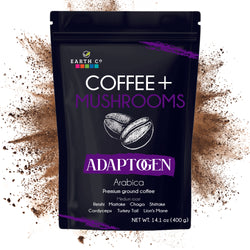
Adaptogen, a functional coffee that combines medicinal mushrooms and adaptogens for stress and focus, amplifies caffeine's hormetic benefits with complementary ingredients. This blend supports your body's natural stress response while enhancing mental clarity and sustained energy throughout the day.
Discover Adaptogen and Optimize Your Coffee Ritual
Is caffeine a hormetic stressor?
Yes, caffeine functions as a hormetic stressor. At moderate doses, it triggers adaptive cellular responses that enhance antioxidant defenses, improve mitochondrial function, and support neuroprotection without causing harm.
How much coffee provides hormetic benefits?
Research suggests 3-4 cups of coffee daily provides optimal hormetic benefits for most adults. This moderate intake activates protective pathways without overstimulating the stress response or disrupting sleep quality.
Can hormesis from coffee improve longevity?
Evidence suggests that hormetic compounds like caffeine may support longevity by activating cellular repair mechanisms. Regular moderate coffee consumption has been associated with reduced all-cause mortality in large population studies.