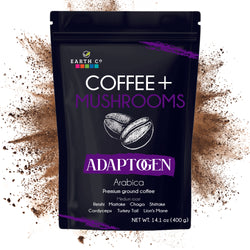
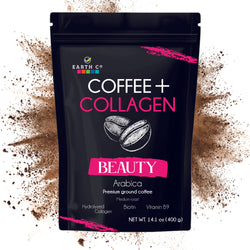
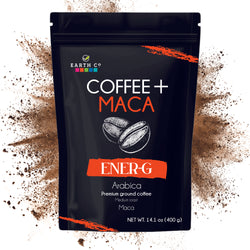
Ground coffee vs freeze dried comes down to two key differences: flavor complexity and bioactive compound retention. Ground coffee preserves more volatile aromatics and gut-supportive polyphenols, while freeze dried coffee offers convenience at the cost of some nutritional benefits. For both taste satisfaction and gut microbiome support, freshly ground coffee consistently outperforms instant varieties.
Understanding Ground Coffee vs Freeze Dried: The Processing Difference
Ground coffee is simply roasted coffee beans that have been mechanically broken down into smaller particles. You brew it by passing hot water through the grounds, extracting oils, acids, and aromatic compounds directly. This minimal processing preserves the full spectrum of flavor compounds and bioactive molecules present in the original bean.
Freeze dried coffee is a type of instant coffee made by brewing coffee, freezing it into a solid, then using sublimation to remove the water. This process creates lightweight, shelf-stable granules that dissolve instantly in water. While convenient, the multiple processing steps alter the coffee's chemical composition — particularly the volatile aromatic compounds that define flavor complexity.
The key distinction lies in what survives the journey from bean to cup. Ground coffee retains heat-sensitive aromatic compounds that contribute to flavor depth and a richer sensory experience. Freeze drying, despite being gentler than spray drying, still results in measurable losses of volatile aromatics.
The Science Behind Coffee and Your Gut Microbiome
Your gut microbiome is the complex ecosystem of trillions of bacteria, fungi, and other microorganisms living in your digestive tract. These microbes influence everything from immune function to mood regulation. What you consume directly shapes which species thrive in this internal ecosystem.
Coffee contains powerful polyphenols, particularly chlorogenic acids, that interact with gut bacteria. A 2024 literature review on coffee and gut microbiota (PMC11434970) found that a majority of studies confirm moderate coffee consumption (fewer than 4 cups daily) increases the relative abundance of beneficial bacterial phyla including Firmicutes and Actinobacteria, increases Bifidobacterium species, and decreases Enterobacteria. Coffee consumption is also associated with greater gut microbial diversity.
When beneficial bacteria ferment coffee polyphenols, they produce short-chain fatty acids like butyrate — the primary fuel source for cells lining your colon, supporting gut barrier integrity. A healthy gut barrier prevents intestinal permeability that can trigger systemic inflammation.
Flavor Profile: Why Ground Coffee Wins the Taste Test
Coffee's complex flavor comes from over 800 volatile aromatic compounds created during roasting. These delicate molecules begin degrading the moment beans are ground, which is why coffee enthusiasts grind immediately before brewing. Ground coffee, even pre-ground varieties, retains significantly more of these aromatics than freeze dried options.
The freeze drying process, while preserving more flavor than spray drying, still sacrifices many heat-sensitive and water-soluble compounds. The result is a flatter, less nuanced taste profile. Many people describe freeze dried coffee as having a slightly bitter or metallic edge that fresh ground coffee lacks.
Texture and mouthfeel also differ substantially. Brewed ground coffee contains natural oils that create body and richness on your palate. Freeze dried coffee dissolves completely, leaving behind a thinner liquid without those satisfying oils. For anyone who appreciates the ritual and sensory experience of coffee, ground coffee delivers a noticeably superior cup.
Ground Coffee vs Freeze Dried: Comparing Gut Health Benefits
The polyphenol content difference between ground and freeze dried coffee is more nuanced than often presented. Published research in Food Chemistry (Mills et al. 2013, PMID 23993490) found that the primary determinant of chlorogenic acid content in commercial coffee is roast degree, not the processing method (ground vs instant). Instant coffee processing itself did not significantly reduce chlorogenic acid levels compared to ground coffee of equivalent roast.
This means the gut health comparison between ground and freeze dried coffee is primarily about flavor complexity and aromatic compound retention — not a dramatic polyphenol advantage. Both coffee formats deliver meaningful chlorogenic acid content. The bigger variable is how darkly the beans were roasted: lighter roasts of both ground and freeze dried coffee contain more chlorogenic acids than darker roasts.
For optimal gut health support, the evidence suggests choosing:
- Light to medium roast: regardless of ground or instant, lighter roasting preserves more chlorogenic acids — the compounds that feed beneficial gut bacteria
- Organic sourcing: minimizes pesticide exposure that can harm gut bacterial populations
- Moderate daily consumption: up to 3-4 cups daily is associated with microbiome benefits; more than 5 cups may have adverse effects
- Functional additions: prebiotics and postbiotics added to coffee significantly amplify gut health benefits beyond what polyphenols alone provide
Choosing the Right Coffee for Your Wellness Goals
Your ideal choice depends on balancing priorities like convenience, taste preference, and health goals. For sensory experience and aromatic complexity, ground coffee is the clear winner. For convenience without dramatically sacrificing gut-supportive compounds, a quality freeze dried coffee from a lighter roast is a reasonable alternative.
Consider your lifestyle honestly. Ground coffee requires equipment and a few extra minutes. Freeze dried coffee works anywhere with hot water. Many health-conscious people keep both options available, using ground coffee at home and freeze dried for travel or office situations.
The ingredients in your coffee matter beyond just the bean format. Adding functional ingredients like prebiotics, postbiotics, or adaptogens can amplify the gut health benefits of your daily cup — delivering targeted microbiome support that polyphenols alone cannot replicate. Explore Earth Co Organics' full functional coffee catalog to see how each blend is formulated.
Enhancing Your Coffee Ritual for Maximum Gut Support
Beyond choosing ground over freeze dried, several practices maximize the gut health benefits of your coffee habit. Timing matters: drinking coffee with or shortly after meals may enhance polyphenol absorption. Avoid adding excessive sugar, which can feed harmful gut bacteria and counteract coffee's beneficial effects. Pairing coffee with fiber-rich foods provides diverse prebiotic fuel alongside coffee's polyphenols.
Make Your Morning Coffee Work Harder for Your Health
The ground coffee vs freeze dried debate reveals that sensory experience and aromatic quality strongly favor ground coffee, while gut-supportive polyphenol content depends more on roast degree than processing method. For those who prioritize both taste and gut health, a quality ground coffee from a light to medium roast delivers the best of both.
For those ready to take coffee's gut health potential further, Digest Pro by Earth Co Organics is a functional coffee that combines prebiotics and postbiotics for gut health. This formula delivers quality organic coffee while adding targeted ingredients that directly support your gut barrier and microbiome diversity — going beyond what polyphenols alone can achieve.
Frequently Asked Questions
Is freeze dried coffee bad for your gut?
Freeze dried coffee is not inherently bad for your gut. Research shows that the primary determinant of chlorogenic acid content — the polyphenols that support gut bacteria — is roast degree, not whether the coffee is ground or instant. A quality freeze dried coffee from a light roast can deliver meaningful gut-supportive polyphenols. The main difference is flavor complexity, not gut health impact.
Does ground coffee have more antioxidants than instant coffee?
Not necessarily — the evidence suggests roast degree matters more than processing format for chlorogenic acid and antioxidant content. Lighter roasts of both ground and freeze dried coffee generally retain more beneficial polyphenols than darker roasts of either format. Fresh ground coffee does retain more volatile aromatic compounds, contributing to better flavor rather than dramatically higher antioxidant levels.
Can coffee improve gut microbiome health?
Yes — research consistently confirms that moderate coffee consumption (up to 3-4 cups daily) positively influences gut microbiome composition. Studies show coffee increases beneficial bacteria including Bifidobacterium and promotes gut microbial diversity. Coffee polyphenols interact with gut bacteria to promote short-chain fatty acid production, including butyrate that supports gut barrier function.