Functional ingredients that don't combine well can cancel out each other's benefits, reduce absorption, or create unwanted side effects. Nutrient interactions are the chemical relationships between vitamins, minerals, and bioactive compounds that determine whether they help or hinder each other when consumed together. Understanding these interactions is essential for getting the most from your wellness routine.
Why Functional Ingredients That Don't Combine Well Matter for Your Health
You might be stacking supplements, sipping functional beverages, and eating nutrient-dense foods — yet still not seeing the results you expected. The reason often comes down to bioavailability, which is the proportion of a nutrient that actually enters your circulation and has an active effect. When certain ingredients compete for the same absorption pathways, your body simply cannot utilize them all efficiently.
Research confirms that mineral interactions are particularly complex. Multiple peer-reviewed studies in the American Journal of Clinical Nutrition confirm that calcium can inhibit iron absorption by approximately 50% when consumed at the same meal — making calcium the only known dietary factor that inhibits both heme and non-heme iron absorption simultaneously. This means your morning calcium-fortified coffee creamer could be undermining your iron supplement entirely.
The good news is that once you understand these relationships, you can time your intake strategically. Spacing incompatible nutrients by just 2-4 hours can dramatically improve absorption rates for both.
Caffeine and Mineral Absorption: What the Evidence Shows
Caffeine is one of the most widely consumed bioactive compounds in the world, and its interactions with other nutrients deserve attention. Evidence suggests that caffeine can interfere with calcium absorption and increase calcium excretion through urine. For those concerned about bone health, this interaction is worth considering.
Iron absorption is another area where coffee polyphenols play a role. The tannins and chlorogenic acids in coffee bind to non-heme iron — the type found in plant foods and supplements — reducing its bioavailability significantly. Published research confirms that consuming coffee or tea within one hour of an iron-rich meal or supplement can reduce non-heme iron absorption by 40-80% depending on the iron status of the individual and the composition of the meal. For those managing iron levels, separating coffee from iron-rich foods by at least one hour is well-supported by clinical evidence.
However, caffeine combines well with certain compounds. L-theanine, an amino acid found in tea, creates a synergistic effect with caffeine that promotes calm alertness without jitters. This is why functional beverages intentionally pair these ingredients together for cognitive performance. The key pairings for caffeine:
- Works well with: L-theanine (calm focus), adaptogens (buffered stress response), MCT oil (ketone brain fuel), curcumin (enhanced bioavailability via fat)
- Separate from: iron supplements (2+ hours apart), calcium supplements (if taking therapeutic doses), zinc supplements (polyphenols reduce absorption)
Adaptogens and the HPA Axis: Why Timing Matters
Adaptogens are plant compounds that help your body resist physical, chemical, and biological stressors by modulating the stress response. They work primarily through the HPA axis (hypothalamic-pituitary-adrenal axis), which regulates cortisol production. Not all adaptogens work the same way, and combining the wrong ones at the wrong time can work against your goals.
Stimulating adaptogens like rhodiola rosea and energizing compounds like maca root are best taken in the morning when cortisol naturally peaks. Taking these in the evening can disrupt your circadian rhythm and sleep quality. Calming adaptogens like ashwagandha and reishi mushroom support relaxation and can be taken later in the day.
Clinical studies show that ashwagandha helps lower cortisol levels — beneficial for evening use but potentially counterproductive if combined with stimulating adaptogens at the same time. When combining adaptogens with medicinal mushrooms, the combination is generally synergistic: beta-glucans from mushrooms support immunomodulation through different pathways than the HPA-modulating effects of adaptogens, creating complementary rather than competing effects.
Protein, Amino Acids, and Absorption Competition
If you are supplementing with individual amino acids alongside protein powder, you might be creating competition. Amino acids share common transport systems in your intestines. When you consume large amounts of mixed amino acids from protein, individual supplemental amino acids like L-tyrosine or L-tryptophan may struggle to get absorbed effectively.
Leucine is a branched-chain amino acid that triggers muscle protein synthesis — the process your body uses to build and repair muscle tissue. Research confirms that leucine works best when consumed with other essential amino acids, which is why whey protein isolate (WPI) is so effective for muscle support. WPI naturally contains all essential amino acids in optimal ratios.
For those taking individual amino acid supplements for specific purposes (like 5-HTP for mood or L-theanine for focus), timing them away from protein-rich meals or shakes improves their effectiveness. Explore Earth Co Organics' full functional coffee catalog to learn more about how each product is formulated for optimal absorption.
Fat-Soluble Nutrients Need Fat to Work
Vitamins A, D, E, and K are fat-soluble, meaning they require dietary fat for proper absorption. Taking these nutrients with your morning black coffee or on an empty stomach significantly reduces their bioavailability. Evidence suggests that consuming fat-soluble vitamins with at least 10-15 grams of fat can increase absorption by 30-50%.
Curcumin, the active compound in turmeric, is another ingredient that benefits dramatically from fat. Poorly absorbed on its own, curcumin becomes much more bioavailable when combined with piperine (black pepper extract) and healthy fats like MCT oil. MCT oil is medium-chain triglyceride oil derived from coconut that provides rapidly absorbed fats, enhancing the uptake of fat-soluble compounds.
This is why functional coffee formulations often include MCT oil alongside turmeric or other fat-soluble ingredients — the combination is designed for maximum bioavailability, not arbitrary pairing.
Prebiotics, Postbiotics, and Smart Gut Health Combinations
Your gut microbiome is the complex community of trillions of bacteria living in your digestive tract. Supporting it requires understanding how different gut health ingredients interact. Prebiotics are fibers that feed beneficial bacteria, while postbiotics are beneficial compounds produced by probiotic bacteria, including short-chain fatty acids like butyrate.
Combining prebiotics and postbiotics tends to be synergistic — they support different aspects of gut barrier function and intestinal permeability. However, taking high doses of isolated fiber supplements alongside mineral supplements can reduce mineral absorption, as fiber can bind to minerals in the digestive tract. Spacing your high-fiber supplements and iron or zinc supplements by at least one hour is a practical workaround.
Start Your Functional Wellness Journey the Smart Way
Understanding functional ingredients that don't combine well empowers you to get more from every supplement, food, and functional beverage you consume. The key is thoughtful timing and choosing products formulated with bioavailability in mind.
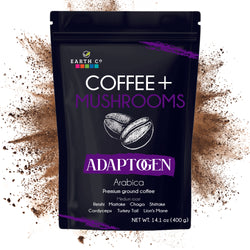
ADAPTOGEN by Earth Co Organics is a functional coffee that combines medicinal mushrooms and adaptogens for stress and focus, crafted to deliver synergistic ingredients in one convenient cup. No guesswork about timing or interactions — science-backed formulation designed to work together from the first sip.
Frequently Asked Questions
Can I take multiple supplements at the same time?
Not always. Some functional ingredients compete for absorption or create antagonistic effects when taken together. Calcium and iron should be separated by at least 2 hours. Coffee and iron supplements should be taken at least one hour apart. Fat-soluble vitamins should always be taken with food containing fat. Individual amino acids work best when separated from protein-rich meals.
Does caffeine interfere with supplement absorption?
Caffeine's polyphenols (tannins and chlorogenic acids) can reduce non-heme iron absorption by 40-80% when consumed at the same time. Caffeine also affects calcium excretion. However, caffeine pairs well with L-theanine, adaptogens, curcumin, and MCT oil — which is why functional coffees intentionally combine these ingredients for synergistic benefit.
What time of day should I take adaptogens?
Most adaptogens work best when taken in the morning or early afternoon. Stimulating adaptogens like rhodiola support cortisol patterns when taken early, while calming adaptogens like ashwagandha can be taken in the evening to support the HPA axis during rest. Combining stimulating and calming adaptogens at the same time can create competing signals — timing them differently is preferable.