The Price of Functional Coffee: Why It's Cheap When You Compare It to What It Replaces
The price of functional coffee makes sense when you add up what it replaces: multiple supplements, specialty lattes, and wellness drinks that cost far more separately. Functional coffee is a single beverage that delivers adaptogens, prebiotics, collagen, or protein in one convenient cup. When you compare dollar-to-dollar value, functional coffee often saves health-conscious consumers $50 to $150 per month.
Understanding the True Price of Functional Coffee
At first glance, functional coffee appears more expensive than a standard bag of beans. A month's supply might run $30 to $60, compared to $12 for regular coffee. But this comparison misses the point entirely. Functional coffee isn't competing with plain coffee—it's replacing an entire supplement shelf.
Consider what health-conscious Americans typically spend each month. There's the morning coffee, of course. Then there's the ashwagandha capsules, the collagen powder, the probiotic supplement, and maybe some lion's mane for focus. Each of these costs $15 to $40 individually. Research confirms that the average American household spends approximately $56 per month on dietary supplements alone.
Functional coffee consolidates these purchases into one product. The math becomes obvious when you list everything it replaces. You're not paying more—you're paying once instead of five times.
The Hidden Costs of a Fragmented Wellness Routine
Beyond the direct cost of supplements, there's the inefficiency of managing multiple products. Pills expire. Powders clump. You forget to take half of them. According to a 2017 study published in the Annals of Internal Medicine, adherence to supplement regimens drops significantly when people must remember multiple daily doses.
There's also the bioavailability question. Many supplements are poorly absorbed when taken in isolation. Clinical studies show that certain compounds—like turmeric's curcumin—absorb better when combined with fats, which functional coffee formulas account for. Taking a curcumin capsule on an empty stomach wastes much of the active ingredient.
Time has value too. Measuring powders, swallowing pills, and tracking what you've taken adds friction to your morning. Functional coffee eliminates this entirely. You make coffee anyway—now it just does more.
What You're Actually Getting in Each Cup
Functional coffee isn't just regular coffee with a sprinkle of something extra. Quality formulations contain clinically relevant doses of active ingredients. This matters because many supplements on the market contain trace amounts that look good on labels but don't deliver results.
Adaptogens are compounds that help your body manage stress by supporting the HPA axis and regulating cortisol response. Lion's mane mushroom contains beta-glucans that support neuroplasticity and cognitive function. Prebiotics feed beneficial gut bacteria, promoting butyrate production and strengthening the gut barrier. These aren't exotic add-ons—they're foundational to how your body handles energy, stress, and immunity.
When you explore our full ingredient breakdown, you'll see therapeutic dosing, not marketing dust. Each ingredient serves a purpose, and they're combined for synergy rather than label appeal.
Comparing Functional Coffee to Specialty Drinks
Let's talk about the café comparison. A daily adaptogen latte at a specialty coffee shop runs $7 to $12. That's $210 to $360 per month for one drink. Even a basic oat milk latte costs $6, totaling $180 monthly. The price of functional coffee becomes remarkably reasonable in this context.
According to the National Institutes of Health, Americans increasingly seek functional beverages that offer health benefits beyond basic nutrition. This trend has driven café prices upward as shops add mushroom powders, collagen, and adaptogens to their menus—at premium markups.
Making functional coffee at home costs roughly $1.50 to $2.50 per cup. You get consistent quality, controlled ingredients, and no line. The savings compound quickly, especially for households where multiple people drink coffee.
The Supplement Stack Reality Check
Functional coffee formulas bundle these ingredients thoughtfully. Visit our complete product collection to see how different blends address different needs—gut health, cognitive performance, beauty, or sustained energy—all within that single morning ritual.
Evidence suggests that ingredient synergy matters as much as individual compounds. Certain adaptogens work better alongside caffeine's natural stimulation. Collagen absorbs more efficiently with vitamin C, which some formulas include. You're not just saving money—you're potentially getting better results than isolated supplements would provide.
Long-Term Value and Health Investment
The conversation about price misses a larger point: what's the cost of not supporting your health? Chronic stress affects mitochondrial function and ATP production, leaving you fatigued. Poor gut health increases intestinal permeability, triggering systemic inflammation. Nutrition experts agree that prevention costs far less than treatment.
Functional coffee fits into a proactive health philosophy. You're investing in energy, focus, immunity, and resilience daily. The price per serving reflects quality sourcing, proper extraction methods, and formulation expertise—not marketing budgets or fancy packaging.
A Healthline analysis of adaptogen drinks notes that consumers increasingly prioritize convenience and efficacy over raw price. People will pay more for products that actually work and fit seamlessly into their routines. Functional coffee delivers on both fronts.
Making the Switch: What to Expect
Transitioning to functional coffee doesn't require abandoning your existing routine overnight. Many people start by replacing one supplement at a time, noticing how the coffee formula affects their energy, digestion, or stress response. Within a few weeks, they often realize they no longer need several bottles cluttering their cabinet.
The cortisol-regulating effects of adaptogens typically become noticeable within two to four weeks of consistent use. Gut health improvements from prebiotics and postbiotics may take slightly longer as your microbiome adjusts. Patience pays off—these are sustainable changes, not quick fixes.
Taste matters too. Functional coffee should taste like coffee you actually enjoy drinking. Bitter, chalky, or medicinal flavors indicate poor formulation. Quality blends integrate functional ingredients without compromising the ritual you already love.
Start Your Morning Smarter
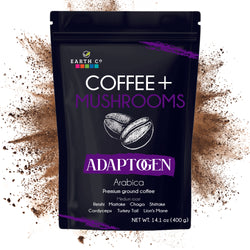
The price of functional coffee reflects its true value: multiple supplements, simplified into one delicious daily habit. Adaptogen, a functional coffee that combines medicinal mushrooms and adaptogens for stress and focus, exemplifies this approach. One cup supports your HPA axis, promotes neuroplasticity, and delivers sustained energy without the jitters or crash.
When you calculate what you'd spend separately on ashwagandha, lion's mane, and specialty café drinks, functional coffee isn't expensive—it's efficient. Your wallet and your wellness routine both benefit.
Shop Functional Coffee and Save on Your Wellness Routine
Is functional coffee worth the higher price tag?
Yes, functional coffee is worth the investment when you calculate what you'd spend on separate supplements, specialty drinks, and wellness products. Most people save $50–150 monthly by consolidating their routine into one daily cup.
How much do Americans spend on supplements each month?
The average American spends between $50 and $100 monthly on dietary supplements. When you add specialty coffee drinks and wellness beverages, that number can easily exceed $200 per month.
What ingredients are included in functional coffee?
Functional coffee blends typically include adaptogens like ashwagandha and lion's mane, prebiotics, postbiotics, collagen peptides, MCT oil, or protein depending on the formula. These are ingredients you'd otherwise buy separately as individual supplements.