Epigenetics and functional nutrition represent a revolutionary understanding of how dietary choices directly influence gene expression without changing your DNA sequence. Your genes are not your destiny. Research confirms that specific nutrients, bioactive compounds, and functional foods can activate health-promoting genes while silencing those associated with disease, inflammation, and aging.
Understanding Epigenetics and Functional Nutrition: The Science of Gene Expression
Epigenetics is the study of heritable changes in gene expression that occur without alterations to the underlying DNA sequence. Think of your DNA as a vast library of books. Epigenetic mechanisms determine which books get read and which stay closed on the shelf. These mechanisms include DNA methylation, histone modification, and non-coding RNA activity.
DNA methylation is the process of adding methyl groups to DNA molecules, typically silencing gene expression. Histone modification involves chemical changes to the proteins around which DNA wraps, affecting how tightly or loosely genes are packaged. When histones are loosely configured, genes become accessible for transcription. When tightly wound, those genes remain silent.
A comprehensive review on nutritional epigenomics published in Advances in Nutrition (Choi & Friso, PMC3679539) established that dietary factors including folate, polyphenols, and other bioactive nutrients can modify epigenetic mechanisms — DNA methylation patterns, histone acetylation, and microRNA expression — in ways that meaningfully affect long-term health outcomes. This foundational research confirmed that nutrition is among the most powerful environmental factors shaping our epigenome.
Functional nutrition takes this science and applies it practically. By choosing foods rich in specific bioactive compounds, you can support beneficial gene expression patterns that promote longevity, reduce inflammation, and enhance cellular function.
Key Nutrients That Influence Epigenetics and Functional Nutrition
Several nutrients play critical roles in epigenetic regulation. Folate, found in leafy greens and legumes, serves as a primary methyl donor essential for DNA methylation. Without adequate folate, methylation patterns become disrupted, potentially activating genes associated with cancer and cardiovascular disease.
Polyphenols are plant compounds with remarkable epigenetic effects. Research confirms these dietary bioactive compounds and their effects on epigenetic mechanisms:
- Curcumin (turmeric): modulates histone acetylation and DNA methylation; studied for anti-inflammatory gene expression effects
- EGCG (green tea): influences DNA methyltransferase activity and histone modification; supports tumor suppressor gene expression
- Resveratrol (grapes): activates sirtuins — histone deacetylases associated with longevity pathways
- Sulforaphane (broccoli): inhibits histone deacetylases, keeping chromatin in an open, accessible state that supports tumor suppressor gene activity
- Omega-3 fatty acids (DHA/EPA): modify histone acetylation patterns and affect expression of genes involved in neuroplasticity and inflammation
Published research in peer-reviewed nutrition journals confirms that sulforaphane demonstrates significant potential for cancer chemoprevention through epigenetic modulation — specifically through histone deacetylase inhibition, global demethylation, and microRNA modulation. Evidence consistently supports that these mechanisms require regular dietary intake over time rather than acute supplementation.
How Adaptogens and Medicinal Mushrooms Affect Gene Expression in Epigenetics
Adaptogens are natural substances that help the body adapt to stress and maintain homeostasis. These remarkable compounds work partly through epigenetic mechanisms, influencing how stress-response genes behave. When you consume adaptogens regularly, you support balanced cortisol levels and healthier HPA axis function.
Medicinal mushrooms contain beta-glucans and other bioactive compounds that demonstrate immunomodulatory effects through gene expression changes. Reishi, lion's mane, and cordyceps mushrooms have all been studied for their ability to influence immune-related gene activity.
Lion's mane mushroom specifically supports neuroplasticity by influencing genes related to nerve growth factor (NGF) production. This adaptogenic mushroom helps the brain maintain flexibility and resilience, supporting cognitive performance under stress. The stress response involves complex gene networks — when cortisol remains chronically elevated, it triggers inflammatory gene expression and suppresses repair mechanisms. Adaptogens help normalize this response, allowing your genes to express patterns associated with calm, focused energy rather than chronic stress.
Practical Ways to Support Healthy Epigenetics Through Functional Nutrition
Building an epigenetically supportive diet starts with diversity. Eating a rainbow of plant foods ensures you receive multiple types of polyphenols, each with unique effects on gene expression. Aim for at least thirty different plant foods weekly to maximize your bioactive compound intake.
Reduce ultra-processed foods, which research links to harmful epigenetic changes — these foods often contain compounds that promote inflammation and disrupt normal methylation patterns. Instead, focus on whole foods that provide folate, polyphenols, omega-3s, and adaptogenic compounds.
Consistency matters more than perfection in epigenetic nutrition. Epigenetic changes accumulate over time, meaning daily habits shape your gene expression patterns more than occasional choices. Timing also plays a role — circadian rhythms influence how genes are expressed throughout the day. Morning nutrition that includes adaptogens and antioxidants can set a positive epigenetic tone for the entire day. Explore Earth Co Organics' full functional coffee catalog to find blends designed for daily use.
The Gut-Epigenome Connection in Functional Nutrition
Your gut microbiome produces metabolites that directly influence epigenetic mechanisms. Short-chain fatty acids like butyrate, produced when gut bacteria ferment fiber, act as histone deacetylase inhibitors. This means a healthy gut promotes beneficial gene expression throughout your entire body — a mechanism that directly links what you feed your microbiome to how your genes express.
Butyrate serves as the primary fuel source for colon cells while also traveling systemically to influence gene expression in distant tissues. Maintaining a diverse gut microbiome through prebiotic fiber and fermented foods supports robust butyrate production.
The gut barrier connects directly to systemic inflammation and epigenetic patterns. When the gut barrier becomes compromised, inflammatory signals trigger harmful gene expression throughout the body. Supporting gut health through prebiotics and postbiotics creates a foundation for healthy epigenetics across multiple organ systems.
Functional Coffee as Part of Your Epigenetics and Functional Nutrition Strategy
Coffee itself contains polyphenols with documented epigenetic effects. When combined with functional ingredients like adaptogens and medicinal mushrooms, these benefits are amplified. Starting your morning with compounds that support healthy gene expression creates a positive foundation for the entire day.
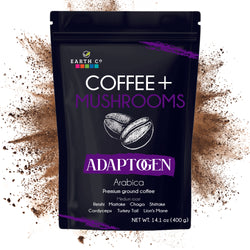
ADAPTOGEN by Earth Co Organics is a functional coffee that combines medicinal mushrooms and adaptogens for stress and focus, delivering bioactive compounds that support balanced cortisol and healthy stress response gene expression. This makes it an ideal choice for those who want to incorporate epigenetics and functional nutrition principles into their daily wellness routine.
Supporting your epigenome through daily nutrition choices represents one of the most empowering steps you can take for long-term health. Your genes respond to the signals you send them through food, and functional nutrition ensures those signals promote vitality, resilience, and wellness.
Frequently Asked Questions
Can diet really change gene expression?
Yes, diet directly influences epigenetic mechanisms like DNA methylation and histone modification. Nutrients such as folate, polyphenols, sulforaphane, and omega-3 fatty acids can activate beneficial genes or silence harmful ones without altering your DNA sequence. Research in nutritional epigenomics confirms that dietary patterns are among the most powerful environmental factors shaping our epigenome.
How long does it take for dietary changes to affect epigenetics?
Some epigenetic changes can occur within days to weeks of dietary modification — particularly changes in histone acetylation patterns. However, sustained changes that meaningfully impact long-term health outcomes typically require consistent nutritional habits over months or years. This is why daily dietary habits matter more than occasional superfoods.
What foods are best for positive epigenetic changes?
Foods rich in polyphenols, folate, and sulforaphane show strong epigenetic benefits. These include leafy greens, cruciferous vegetables (especially broccoli and broccoli sprouts), berries, green tea, turmeric, and adaptogenic mushrooms. A diverse whole-food diet that feeds a healthy gut microbiome also supports butyrate production — a powerful histone deacetylase inhibitor that promotes beneficial gene expression.