Does Functional Coffee Affect Your Sleep? The Truth About Caffeine, Adaptogens, and Timing
Functional coffee can affect your sleep depending on when you drink it, your individual caffeine sensitivity, and which functional ingredients it contains. The caffeine in functional coffee follows the same metabolic pathways as regular coffee, with a half-life of approximately five to six hours. However, adaptogens and other functional compounds may help balance cortisol levels and support a healthier stress response throughout the day.
How Functional Coffee and Sleep Are Connected
Understanding the relationship between functional coffee and sleep requires examining both caffeine metabolism and the unique benefits of adaptogenic ingredients. Caffeine is an adenosine receptor antagonist, meaning it blocks the brain's natural sleep-promoting signals. This mechanism keeps you alert but can disrupt sleep architecture when consumed too late in the day.
According to a 2013 study published in the Journal of Clinical Sleep Medicine, consuming caffeine even six hours before bedtime significantly reduced total sleep time by more than one hour. This research highlights why timing matters more than most people realize. The study found that participants were often unaware of their compromised sleep quality despite objective measurements showing disruption.
Caffeine half-life is the time required for your body to eliminate half of the caffeine consumed. For most adults, this ranges from five to six hours, though genetic variations can extend this to eight hours or more. Understanding your personal caffeine metabolism helps you make informed decisions about when to enjoy your morning cup.
The Role of Adaptogens in Balancing Energy and Rest
Adaptogens are natural compounds that help the body adapt to stress and maintain homeostasis. Unlike caffeine, which stimulates the central nervous system directly, adaptogens work by modulating the hypothalamic-pituitary-adrenal axis, commonly known as the HPA axis. This regulation helps normalize cortisol patterns throughout the day.
Cortisol is your primary stress hormone, and healthy cortisol levels should peak in the morning and gradually decline toward evening. When cortisol patterns become dysregulated due to chronic stress, sleep quality suffers significantly. Research confirms that adaptogens like ashwagandha and rhodiola can help restore these natural rhythms.

A 2012 study published in the Indian Journal of Psychological Medicine found that ashwagandha root extract significantly reduced serum cortisol levels in chronically stressed adults. Participants taking ashwagandha reported substantial improvements in stress, anxiety, and overall well-being compared to the placebo group. These findings suggest that functional coffees containing adaptogens may actually support better sleep indirectly by promoting healthier stress responses.
Reishi mushroom, another popular adaptogen found in functional coffee blends, contains beta-glucans and triterpenes that support immunomodulation and relaxation. Traditional medicine has used reishi for centuries to promote calmness and restful sleep. The fruiting body of this medicinal mushroom offers compounds that may help ease the transition from wakefulness to rest.
Caffeine Sensitivity and Individual Variation
Not everyone metabolizes caffeine at the same rate, and this genetic variation significantly impacts how functional coffee affects your sleep. The CYP1A2 gene determines whether you're a fast or slow caffeine metabolizer. Slow metabolizers may feel caffeine's effects for much longer and need to stop consumption earlier in the day.
Signs that you might be a slow caffeine metabolizer include feeling jittery after one cup, experiencing afternoon anxiety, or lying awake at night despite drinking coffee only in the morning. If these symptoms sound familiar, you may benefit from limiting functional coffee to before noon or choosing blends with lower caffeine content.
Fast metabolizers, on the other hand, can often enjoy coffee later in the day without significant sleep disruption. These individuals clear caffeine from their systems more efficiently and may find that adaptogens in functional coffee provide sustained energy without the typical crash. Neuroplasticity and stress adaptation also play roles in how your body responds to regular caffeine consumption over time.
Listening to your body remains the most reliable way to determine your optimal caffeine cutoff time. Consider keeping a simple sleep journal for two weeks, noting when you drink coffee and how well you sleep. Patterns will emerge that help you personalize your functional coffee routine.
Optimizing Your Functional Coffee Timing for Better Sleep

The consensus among sleep researchers and nutrition experts is that finishing caffeine consumption eight to ten hours before bedtime offers the best protection for sleep quality. For someone with a 10 PM bedtime, this means enjoying your last cup of functional coffee by noon to 2 PM at the latest.
Morning consumption aligns functional coffee with your natural cortisol awakening response, the spike in cortisol that helps you feel alert upon waking. Drinking coffee during this window, typically within one to two hours of waking, may enhance alertness without fighting your body's natural rhythms. This timing also allows the longest possible clearance time before bed.
Consider your functional coffee ingredients when planning your daily routine. Blends containing ashwagandha, lion's mane, or reishi may offer more balanced energy throughout the day compared to coffee alone. These adaptogens support the stress response and may reduce the likelihood of an afternoon energy crash that leads to later caffeine consumption.
Mitochondria, the energy-producing organelles in your cells, function optimally with consistent sleep-wake cycles. ATP production, the cellular energy currency, depends on quality sleep for restoration. By timing your functional coffee strategically, you support both daytime energy and nighttime recovery at the cellular level.
Creating a Sleep-Supportive Coffee Ritual
Building a functional coffee routine that supports rather than sabotages sleep involves more than just watching the clock. The ritual of preparing and enjoying your coffee can itself become a mindfulness practice that sets a positive tone for the day. This intentional approach to consumption often leads to greater satisfaction from fewer cups.
Explore our functional coffee collection to find blends that match your energy needs and health goals. Whether you prioritize stress management, cognitive performance, or sustained energy, choosing the right functional ingredients makes a meaningful difference in how coffee affects your entire day and night.
Pairing functional coffee with a balanced breakfast that includes protein and healthy fats can slow caffeine absorption and extend its benefits without spiking then crashing. This approach supports stable blood sugar levels and reduces the likelihood of reaching for additional caffeine later in the day when it could interfere with sleep.
Evidence suggests that people who consume caffeine consistently at the same times each day experience fewer sleep disruptions than those with irregular consumption patterns. Your body adapts to predictable caffeine timing, and this consistency supports healthier circadian rhythms overall.
Start Your Morning Right with Adaptogen, a Functional Coffee That Works With Your Body
The relationship between functional coffee and sleep doesn't have to be adversarial. With proper timing, awareness of your individual caffeine sensitivity, and the right blend of adaptogenic ingredients, you can enjoy the benefits of functional coffee while protecting your sleep quality. Clinical studies show that adaptogens help regulate the HPA axis and cortisol patterns, potentially improving both daytime focus and nighttime rest.
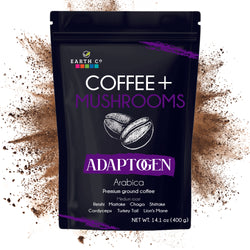
Adaptogen, a functional coffee that combines medicinal mushrooms and adaptogens for stress and focus, offers a balanced approach to daily energy. By supporting healthy stress responses throughout the day, this blend helps you feel energized in the morning and naturally wind down in the evening. The combination of organic coffee with ashwagandha, lion's mane, and reishi creates a synergistic effect that goes beyond caffeine alone.
Shop Adaptogen Functional Coffee Now
What is the best time to drink functional coffee without affecting sleep?
The optimal time to drink functional coffee is before 2 PM for most people. Caffeine has a half-life of approximately 5-6 hours, meaning half the caffeine remains in your system after that time. Drinking coffee at least 8-10 hours before bedtime allows adequate clearance for quality sleep.
Can adaptogens in functional coffee actually improve sleep quality?
Yes, certain adaptogens like ashwagandha and reishi mushroom have been shown to support healthy cortisol patterns and reduce stress, which can indirectly improve sleep quality. These compounds help regulate the HPA axis and promote a calmer stress response throughout the day.
Does functional coffee have less caffeine than regular coffee?
Functional coffee typically contains similar caffeine levels to regular coffee unless specifically formulated as low-caffeine. However, the addition of adaptogens and other functional ingredients may help modulate caffeine's effects on the nervous system, potentially reducing jitters and crashes.