Coffee and blood pressure have a more nuanced relationship than most people realize. While caffeine does cause a temporary increase in blood pressure, research confirms that moderate coffee consumption is not harmful to cardiovascular health and may actually be protective. The myth that coffee is bad for your heart has been largely debunked by decades of scientific study.
Understanding Coffee and Blood Pressure: What Really Happens
When you drink coffee, caffeine blocks adenosine receptors in your body. Adenosine is a neurotransmitter that normally helps relax blood vessels. When blocked, your blood vessels constrict slightly and your adrenal glands release more adrenaline, causing a temporary rise in blood pressure.
This acute effect typically raises systolic blood pressure by a few mmHg in most people, with larger responses seen in non-habitual drinkers and those with existing hypertension. The spike is short-lived, generally resolving within a few hours. For regular coffee drinkers, the body develops partial tolerance and this acute response diminishes over time.
Blood pressure is the force of blood pushing against your artery walls as your heart pumps. Systolic pressure measures the force during heartbeats, while diastolic measures the force between beats. Understanding this distinction helps explain why temporary caffeine-induced spikes differ from chronic hypertension — which is a sustained elevation, not an acute one.
What the Research Says About Coffee and Blood Pressure Long-Term
Multiple systematic reviews and meta-analyses consistently show that habitual coffee consumption is not associated with increased risk of hypertension. A 2022 meta-analysis of cohort studies found that higher coffee consumption was associated with a 7% reduction in hypertension risk compared to the lowest intake category.
Even more compelling, a large 2022 study from the UK Biobank involving over 349,000 participants found that drinking 2-3 cups of coffee daily was associated with significant reductions in cardiovascular disease incidence and all-cause mortality compared to non-drinkers. This challenges the outdated notion that coffee is bad for your heart and suggests protective benefits instead.
Clinical studies show that the antioxidants in coffee, particularly chlorogenic acids, support endothelial function. The endothelium is the inner lining of blood vessels that regulates vascular tone and blood flow. Healthy endothelial function is essential for maintaining normal blood pressure and preventing atherosclerosis.
Coffee's polyphenols have also been shown to reduce oxidative stress and inflammation in the cardiovascular system — both key drivers of long-term hypertension and heart disease risk.
Debunking the Myth: Why Coffee and Blood Pressure Fears Are Overblown
The myth that coffee damages your heart originated from early studies that failed to account for confounding factors. Many early coffee drinkers also smoked cigarettes, had sedentary lifestyles, or consumed excessive sugar and cream. When researchers controlled for these variables, coffee's supposed harm largely disappeared.
Context matters tremendously. A black coffee with functional ingredients differs vastly from a 600-calorie sugary coffee drink. The vehicle matters as much as the caffeine itself when evaluating cardiovascular impact.
Research confirms that the relationship between coffee and blood pressure depends heavily on individual factors. Genetic variations in caffeine metabolism, existing health conditions, and overall lifestyle all influence how your body responds to coffee. Most healthy adults process caffeine efficiently without lasting cardiovascular effects.
Understanding your body's response requires paying attention to how you feel after drinking coffee. If you experience heart palpitations, anxiety, or sustained elevated blood pressure, you may be among the minority with heightened caffeine sensitivity. For most people, however, moderate consumption poses no cardiovascular risk.
The Protective Power of Coffee's Bioactive Compounds
Coffee contains hundreds of bioactive compounds beyond caffeine. Chlorogenic acids, cafestol, kahweol, and trigonelline all contribute to coffee's health effects. Many of these compounds have demonstrated anti-inflammatory and antioxidant properties in clinical research, contributing to the cardiovascular protection associated with moderate consumption.
These compounds work at the cellular level to reduce oxidative stress and support vascular health. Chlorogenic acids in particular have been linked to improved blood pressure regulation and reduced cardiovascular risk markers in multiple human studies.
For those looking to further support their cardiovascular system, functional coffee formulations combine these natural compounds with additional ingredients selected for their complementary benefits. Explore Earth Co Organics' full functional coffee catalog to find blends designed with wellness in mind.
Adaptogens like ashwagandha can help modulate the stress response that sometimes accompanies caffeine consumption. Research suggests ashwagandha supports healthy cortisol balance during periods of stress, which may complement coffee's stimulating effects for a more balanced energy experience.
Who Should Be Cautious About Coffee and Blood Pressure
While coffee is safe for most adults, certain populations should exercise caution. Individuals with uncontrolled hypertension, defined as blood pressure consistently above 140/90 mmHg, may want to limit caffeine intake while working with their healthcare provider to manage their condition.
Pregnant women are generally advised to limit caffeine to 200mg daily, approximately one 12-ounce cup of coffee. Those with anxiety disorders or panic disorder may find that caffeine exacerbates symptoms due to its stimulating effects on the nervous system.
People taking certain medications, including some blood pressure drugs, MAO inhibitors, or stimulant medications, should consult their pharmacist about potential caffeine interactions. These interactions are typically manageable but require awareness and sometimes timing adjustments.
If you're concerned about coffee and blood pressure, the key indicators to watch for include:
- Sustained elevated readings: if blood pressure remains high hours after coffee, not just immediately after, consult your healthcare provider
- Heart palpitations or anxiety: signs of heightened caffeine sensitivity that may warrant reducing intake
- Poor sleep quality: caffeine consumed after noon can disrupt sleep, which independently raises blood pressure
- Reliance on multiple cups to function: may indicate adrenal strain or sleep debt rather than a coffee problem per se
How to Enjoy Coffee and Blood Pressure Benefits Together
Maximizing coffee's cardiovascular benefits while minimizing potential risks comes down to a few simple strategies. First, choose quality coffee without excessive added sugars, syrups, or artificial creamers that can contribute to metabolic dysfunction and weight gain.
Timing matters for blood pressure management. Drinking coffee with food can moderate caffeine absorption and reduce acute blood pressure spikes. Avoiding coffee late in the day also supports better sleep, which is critical for cardiovascular health and blood pressure regulation.
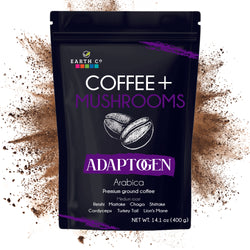
Consider functional coffee formulations that include adaptogens to balance caffeine's stimulating effects. Adaptogen by Earth Co Organics is a functional coffee that combines medicinal mushrooms and adaptogens for stress and focus, offering a more balanced energy experience that supports rather than strains your cardiovascular system.
Start Your Heart-Healthy Coffee Ritual Today
The science is clear: moderate coffee consumption is not only safe for most people but may actually support cardiovascular health. By choosing quality functional coffee and paying attention to your body's signals, you can enjoy your daily cup without worrying about the outdated myth that coffee is bad for your heart.
Adaptogen by Earth Co Organics combines medicinal mushrooms and adaptogens for stress and focus, providing balanced energy while supporting your body's natural stress response. It's the ideal choice for health-conscious coffee lovers who want to optimize their morning ritual for long-term wellness.
Frequently Asked Questions
Does coffee permanently raise blood pressure?
No, coffee does not permanently raise blood pressure in most people. While caffeine causes a temporary spike that resolves within a few hours, research consistently shows that long-term habitual coffee consumption is not associated with sustained hypertension. Regular drinkers also develop partial tolerance to the acute blood pressure effect over time.
How much coffee is safe for heart health?
Most research suggests 2-4 cups of coffee per day is safe and may even be protective for cardiovascular health. However, individuals with uncontrolled hypertension or caffeine sensitivity should consult their healthcare provider for personalized guidance.
Can coffee actually protect your heart?
Evidence suggests moderate coffee consumption may reduce cardiovascular disease risk by up to 15%. Coffee contains antioxidants and polyphenols including chlorogenic acids that support endothelial function and reduce oxidative stress — both important factors in long-term heart health.