Chaga is a parasitic fungus that grows primarily on birch trees in cold climates, producing one of the most antioxidant-rich substances found in nature. The chaga birch tree mushroom contains unique compounds like betulinic acid and melanin that no other fungi can match. This remarkable organism has been used in traditional medicine for centuries, and modern science is beginning to explain why.
What Makes the Chaga Birch Tree Mushroom So Special
Chaga, scientifically known as Inonotus obliquus, develops a distinctive charred-looking exterior called a sclerotium as it grows on birch bark. Unlike most mushrooms that produce a visible fruiting body, chaga forms a dense mass of mycelium that can take up to twenty years to mature. This slow growth process allows chaga to concentrate powerful compounds from both itself and its birch tree host.
The relationship between chaga and birch trees is what creates its unique chemistry. As chaga grows, it absorbs betulin from the birch bark and converts it into betulinic acid — a compound studied for anti-inflammatory and potential antitumor properties. This symbiotic extraction process is exclusive to chaga and cannot be replicated by other medicinal mushrooms. Research confirms that this birch-derived compound contributes significantly to chaga's distinct bioactive profile.
Beta-glucans are polysaccharides found in many medicinal mushrooms, but chaga's overall compound profile is particularly notable for immunomodulation support. These complex sugars interact with immune cells to help maintain balanced immune responses. Evidence from laboratory and animal studies suggests that chaga's beta-glucans work synergistically with its other compounds to provide comprehensive wellness support, though large-scale human RCTs are still limited.
The Antioxidant Power of Chaga: What Science Reveals
Chaga possesses one of the highest ORAC (Oxygen Radical Absorbance Capacity) scores of any natural food, driven by its exceptional melanin, polyphenol, and superoxide dismutase content. A 2024 overview of Inonotus obliquus bioactive compounds published in PMC (PMC11336990) documented chaga's multiple antioxidant mechanisms: melanin provides antioxidant, anti-inflammatory, and antiviral activity; polyphenols including caffeic acid and phelligridin D provide anticancer and antioxidant effects; and triterpenoids including inotodiol contribute anti-inflammatory and antiviral properties.
Superoxide dismutase (SOD) is an enzyme that neutralizes harmful free radicals in the body. Chaga contains notably high levels of SOD compared to other fungi, which contributes to its reputation as an antioxidant-rich mushroom. Free radicals are unstable molecules that can damage cells, and antioxidants like those in chaga help maintain cellular integrity.
Melanin is a pigment that gives chaga its distinctive dark color and provides additional antioxidant protection. Unlike the melanin in human skin, chaga melanin has been studied in laboratory settings for its ability to support DNA health and protect against oxidative stress. The combination of these antioxidant compounds creates a multi-layered profile unique in the fungi kingdom.
How Chaga Supports Your Immune System
The immunomodulation properties of chaga have attracted significant scientific attention, primarily through in vitro and animal studies. Research published in the Journal of Ethnopharmacology (Nam et al., 2011, PMID 21820502) found that oral administration of chaga hot water extract in ovalbumin-sensitized mice suppressed antigen-specific IgE production and modulated Th1/Th2 cytokine balance — demonstrating immunomodulatory effects through measurable immune signaling pathways. This is in vitro and animal evidence; human clinical trials on chaga's immunomodulatory effects remain limited.
Beta-glucans in chaga bind to receptors on immune cells, triggering beneficial responses. These polysaccharides are recognized by the body as signals to maintain immune vigilance. Traditional use of chaga spans centuries across Russia, Scandinavia, and other northern regions, where indigenous peoples brewed chaga tea to support vitality and resilience during harsh winters.
Evidence from animal studies suggests that regular consumption of chaga may help the body maintain balance during stressful periods. However, the significant limitation of the current chaga research base is the reliance on preclinical models — well-designed human clinical trials are still needed to confirm these effects in people.
Incorporating Chaga Into Your Daily Routine
Traditional chaga preparation involves simmering chunks of the mushroom for hours to extract its water-soluble compounds. While effective, it requires significant time and access to quality raw chaga. Modern extraction techniques have made it possible to enjoy chaga's benefits in more convenient forms. When selecting chaga products, consider these quality factors:
- Wild-harvested from cold climates: chaga from cold northern climates typically contains higher concentrations of beneficial compounds than cultivated varieties
- Extraction method specified: hot water extraction releases beta-glucans and water-soluble polyphenols; dual extraction also captures fat-soluble triterpenes
- No mycelium-on-grain: unlike some mushrooms, quality chaga should be sourced from wild-harvested sclerotia, not grain substrate
- Third-party testing: chaga can absorb compounds from its environment — verify heavy metal testing, especially if sourcing from areas with environmental contamination
Combining chaga with other adaptogens can create complementary effects that support different aspects of wellness simultaneously. Explore Earth Co Organics' full functional coffee catalog to find blends that incorporate quality medicinal mushrooms.
Experience the Power of Medicinal Mushrooms in Your Morning Cup
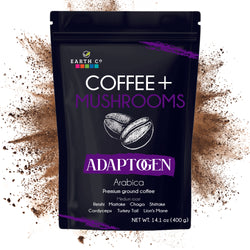
Adding chaga to your wellness routine does not have to be complicated. ADAPTOGEN by Earth Co Organics is a functional coffee that combines medicinal mushrooms and adaptogens for stress and focus, offering an effortless way to enjoy these benefits daily. Each cup delivers carefully extracted compounds in a format that fits naturally into your morning ritual.
The combination of organic coffee with adaptogenic mushrooms creates a balanced energy experience — the familiar ritual you love enhanced with compounds that support resilience and clarity throughout your day.
Frequently Asked Questions
Is chaga safe to consume daily?
For most healthy adults, chaga is considered safe when consumed in moderate amounts as a food or supplement. However, those on blood thinners, immunosuppressants, or with autoimmune conditions should consult a healthcare provider first, as chaga's immunomodulatory properties could interact with these medications. Research suggests starting with small doses to assess individual tolerance.
What makes chaga different from other medicinal mushrooms?
Chaga stands out because it contains melanin, betulinic acid (derived from birch bark), and notably high levels of superoxide dismutase — compounds not found in other fungi in the same combination. Its parasitic growth on birch trees allows it to concentrate birch-derived compounds that it then converts into unique bioactive molecules. This symbiotic relationship creates a distinct antioxidant and immunomodulatory profile unmatched in the mushroom kingdom.
How should chaga be prepared for maximum benefit?
Hot water extraction is the traditional method and effectively releases beta-glucans and other water-soluble compounds including polyphenols. Dual extraction using both water and alcohol captures the full spectrum of beneficial compounds including fat-soluble triterpenes like inotodiol. Functional coffee blends with chaga extract offer a convenient way to incorporate these benefits into daily routines without requiring hours of preparation.