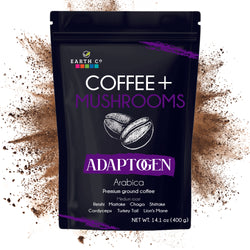
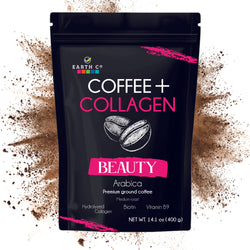
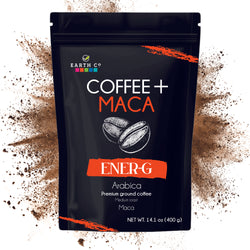
Certifications That Matter in Functional Coffee and Those That Are Just Decorative Labels
Certifications that matter in functional coffee are those backed by third-party verification, government regulation, and transparent testing standards. Meaningful certifications include USDA Organic, Non-GMO Project Verified, and NSF International, while decorative labels are unregulated marketing terms like "natural," "clean," or "superfood" that carry no legal definition or accountability.
Why Functional Coffee Certifications Matter for Your Health
The functional coffee market has exploded in recent years, with brands adding everything from adaptogens to collagen to your morning brew. But with this growth comes a flood of certifications, badges, and claims plastered across packaging. Understanding which certifications actually protect you and which are pure marketing theater is essential for making informed choices.
A certification is a formal verification process conducted by an independent body that confirms a product meets specific standards. Legitimate certifications require regular audits, testing, and documentation. Decorative labels, by contrast, are self-awarded marketing claims with no verification process or legal accountability.
Research confirms that consumers increasingly seek transparency in their food choices. According to a 2020 study published in the International Journal of Environmental Research and Public Health, consumer trust in food products is directly influenced by the presence of recognized certification labels, with organic and non-GMO certifications ranking highest in credibility.
The Gold Standard: Certifications That Actually Matter in Functional Coffee
USDA Organic certification is the most rigorous and meaningful certification you can find on functional coffee products. This certification requires that at least 95% of ingredients are organically produced without synthetic fertilizers, pesticides, or genetically modified organisms. Products must undergo annual third-party inspections and maintain detailed production records.
Non-GMO Project Verified is another certification with real teeth. This third-party verification program requires ongoing testing and traceability throughout the supply chain. For functional coffees containing added ingredients like mushroom extracts or protein powders, this certification ensures those functional components are also free from genetic modification.
NSF International certification and USP Verified marks indicate that a product has been tested for purity, potency, and contaminant levels. These certifications are particularly important for functional coffees containing adaptogens, vitamins, or botanical extracts. Evidence suggests that products with these certifications contain what their labels claim and are free from heavy metals or microbial contamination.
Fair Trade certification, while focused on ethical sourcing rather than health, indicates that coffee farmers received fair compensation and that sustainable farming practices were employed. Clinical studies show that sustainably grown coffee often has higher antioxidant levels due to healthier soil and slower growth patterns.
Decorative Labels: Marketing Terms Without Meaning

The term "natural" is perhaps the most misleading word in food marketing. The FDA has no formal definition for this term, meaning any product can claim to be natural regardless of its processing methods or ingredient sources. A functional coffee could contain highly processed additives and still legally use this label.
Similarly, "clean" has become ubiquitous in wellness marketing but carries zero regulatory weight. There is no certifying body, no testing requirement, and no standard definition. What one brand considers clean another might not, making this term essentially meaningless for informed consumers.
"Superfood" is another decorative label with no scientific or legal definition. While certain ingredients in functional coffee may have beneficial properties supported by research, the superfood designation itself tells you nothing about quality, sourcing, or efficacy. Nutrition experts agree that this term is more about marketing psychology than nutritional science.
According to Healthline's guide on reading food labels, consumers should be particularly wary of health claims on packaging that cannot be verified through recognized certification bodies. The presence of buzzwords without backing certifications is often a red flag.
How to Evaluate Functional Coffee Certifications Like an Expert

Start by looking for certifications that require third-party verification. Any legitimate certification will have a certifying body you can research independently. USDA Organic, for example, is administered by accredited certifying agents who conduct annual inspections. You can verify a company's organic certification status through the USDA's organic integrity database.
Check our ingredients page to understand what goes into quality functional coffee and how sourcing transparency works. Understanding ingredient origins helps you evaluate whether certifications align with actual product quality.
Be skeptical of proprietary certification badges created by the brand itself. These self-awarded labels might sound impressive but carry no independent verification. A company claiming its own "purity tested" or "science verified" badge without third-party involvement is essentially grading its own homework.
Look for transparency in testing and sourcing. Reputable functional coffee brands publish their testing protocols, share certificates of analysis, and provide detailed information about where their ingredients come from. This level of transparency often matters more than any single certification.
The Science Behind Ingredient Quality in Functional Coffee
Bioavailability is the degree to which a nutrient or compound can be absorbed and used by your body. Certifications like USP Verified specifically test for bioavailability, ensuring that functional ingredients like adaptogens or collagen actually deliver their promised benefits. Without this verification, you might be consuming compounds that pass through your system without any effect.
Heavy metal contamination is a serious concern in functional foods, particularly those containing mushroom extracts or botanical ingredients. According to a 2019 study published in the Journal of Food Science, dietary supplements without third-party certification showed significantly higher rates of contamination with lead, arsenic, and cadmium compared to certified products.
Mitochondrial function and ATP production depend on nutrient quality. When functional coffee contains adaptogens designed to support energy and reduce cortisol, the purity of those ingredients directly impacts their effectiveness. Contaminated or degraded compounds may even cause harm rather than provide benefits.
Browse our shop to explore functional coffees that prioritize meaningful certifications over marketing fluff. Every product is designed with ingredient integrity as a foundational principle.
Red Flags to Watch For When Shopping for Functional Coffee
Vague ingredient sourcing should raise immediate concerns. If a functional coffee contains lion's mane mushroom but provides no information about whether it uses fruiting body or mycelium, or where the mushrooms are grown, the product likely lacks quality controls. Beta-glucans, the active compounds in medicinal mushrooms, vary dramatically based on cultivation methods.
Proprietary blends that hide individual ingredient amounts are another warning sign. While proprietary blends are legal, they make it impossible to evaluate whether functional ingredients are present in effective doses. A coffee might technically contain ashwagandha but in amounts too small to influence your HPA axis or stress response.
Excessive health claims without supporting evidence suggest a brand prioritizes marketing over integrity. Functional coffee can support wellness, but claims about curing diseases or replacing medical treatment are not only misleading but potentially dangerous.
Missing or hard-to-find certificates of analysis indicate a lack of testing transparency. Reputable brands make this information readily available because they have nothing to hide.
Start Your Morning With Functional Coffee You Can Trust
Understanding certifications that matter in functional coffee empowers you to make choices aligned with your health goals. Look for USDA Organic, Non-GMO Project Verified, and third-party testing certifications while remaining skeptical of unverified marketing claims.
Energy, a functional coffee that combines maca root for sustained energy without the crash, represents what transparent functional coffee should be. Every ingredient is sourced with care, and quality is verified through meaningful certification standards rather than decorative labels.
Shop Earth Co Functional Coffee Today
What is the most important certification for functional coffee?
USDA Organic certification is considered the most important because it ensures no synthetic pesticides, herbicides, or GMOs were used in production. It also requires third-party verification and annual inspections, making it a reliable indicator of quality and safety.
Are functional coffee certifications regulated by the government?
Some certifications like USDA Organic and Non-GMO Project Verified are regulated or third-party verified. However, many marketing terms like "natural," "clean," or "superfood" have no legal definition and are not regulated by any government agency.
How can I tell if a functional coffee certification is legitimate?
Look for certifications that require third-party testing and annual audits, such as USDA Organic, NSF International, or USP Verified. Be skeptical of vague claims or self-awarded badges that cannot be verified through an independent certifying body.