The Difference Between Caffeine Energy and Adaptogen Energy: Why They Are Not the Same
The difference between caffeine energy and adaptogen energy comes down to mechanism: caffeine blocks adenosine receptors to create alertness, while adaptogens regulate your HPA axis and cortisol response to build sustainable resilience. Caffeine provides immediate stimulation that borrows energy from later, whereas adaptogens help your body produce and maintain energy naturally over time.
Understanding the Difference Between Caffeine Energy and Adaptogen Energy
When you reach for your morning cup of coffee, you're engaging one of the most widely used stimulants on the planet. Caffeine is a central nervous system stimulant that works by blocking adenosine, the neurotransmitter responsible for making you feel sleepy. This creates a surge of alertness, increased heart rate, and enhanced focus that millions of Americans rely on daily.
Adaptogens work through an entirely different pathway. Adaptogens are natural substances, typically herbs and mushrooms, that help your body adapt to stress and maintain homeostasis. Rather than forcing your system into overdrive, they support your body's natural stress response mechanisms. Research confirms that adaptogens like ashwagandha, rhodiola, and medicinal mushrooms interact with the hypothalamic-pituitary-adrenal axis to normalize cortisol levels.
This fundamental difference explains why these two approaches to energy feel so different in your body. One pushes; the other supports.
How Caffeine Affects Your Nervous System and Cortisol Levels
Caffeine's mechanism is straightforward but powerful. When adenosine can't bind to its receptors, your brain increases the activity of dopamine and norepinephrine. This creates the familiar feeling of alertness and motivation that coffee drinkers know well. According to a 2015 study published in Neuroscience and Biobehavioral Reviews, caffeine consumption triggers measurable increases in cortisol, particularly in individuals who don't consume it regularly.
The challenge with caffeine energy is the eventual crash. As adenosine builds up while being blocked, the moment caffeine wears off, all that accumulated sleepiness hits at once. Your mitochondria, the powerhouses of your cells responsible for ATP production, haven't actually produced more energy—you've just temporarily masked fatigue signals.
For many people, this creates a cycle of dependency. You need more caffeine to overcome the crash from the previous dose. Over time, your adenosine receptors multiply to compensate, requiring ever-higher amounts to achieve the same effect. Evidence suggests this pattern can contribute to symptoms associated with adrenal fatigue, though this remains an area of ongoing research.
The Science Behind Adaptogen Energy and Stress Response
Adaptogens take a completely different approach to energy. Rather than blocking neurotransmitters or forcing stimulation, they work by modulating your stress response system. The HPA axis, which stands for hypothalamic-pituitary-adrenal axis, is your body's central stress command center. When it functions optimally, you feel energized during the day and relaxed at night.
According to a 2012 review published in Pharmaceuticals, adaptogens exhibit neuroprotective, anti-fatigue, and antidepressive properties while increasing mental work capacity in conditions of stress and fatigue. This research demonstrated that adaptogens help regulate cortisol, preventing both the spikes and crashes that leave you feeling depleted.
Medicinal mushrooms like lion's mane and reishi contain beta-glucans, complex polysaccharides that support immunomodulation and overall systemic balance. The fruiting body of these mushrooms, rather than just the mycelium, contains the highest concentration of beneficial compounds. When your immune system functions well, your energy naturally improves because your body isn't constantly fighting inflammation or infection.
What makes adaptogens unique is their bidirectional action. They can help calm an overactive stress response or stimulate an underactive one, always moving your body toward balance. This is why you can explore our ingredients page to understand exactly which adaptogens support specific functions.
Why Caffeine Energy and Adaptogen Energy Feel Different in Your Body
The subjective experience of these two energy sources reflects their underlying mechanisms. Caffeine energy often feels sharp and urgent—a spike in alertness that demands attention. Many people describe it as feeling "wired" or "on edge," especially with higher doses. This makes sense given that caffeine increases cortisol and activates your fight-or-flight response.
Adaptogen energy feels more like your natural baseline has been elevated. Users often report feeling "more themselves" rather than artificially stimulated. There's no jitteriness, no racing heart, and critically, no crash. This is because adaptogens support neuroplasticity and healthy stress response rather than overriding your natural signals.
Clinical studies show that regular adaptogen use can reduce perceived fatigue and improve cognitive performance under stress. Unlike caffeine, which loses effectiveness as tolerance builds, adaptogens often become more effective with consistent use as they help restore optimal HPA axis function.
The difference becomes most apparent in the afternoon. Caffeine users often experience the dreaded 2 PM slump as morning doses wear off. Those using adaptogens typically report more stable energy throughout the day. Visit our shop to find functional coffee blends that combine both approaches strategically.
Combining Caffeine and Adaptogens for Balanced Energy
Here's where things get interesting: caffeine and adaptogens aren't mutually exclusive. In fact, nutrition experts agree that combining them thoughtfully can provide the best of both worlds. The caffeine offers immediate alertness while adaptogens smooth out the stress response and prevent the crash.
This synergy works because adaptogens can modulate caffeine's effect on cortisol. While caffeine alone might spike your stress hormones, adaptogens like ashwagandha have been shown to help maintain healthy cortisol levels even under stimulant influence. Your mitochondria still benefit from the increased alertness while your HPA axis stays balanced.
The key is ratio and quality. Not all adaptogen blends are created equal, and the difference between mycelium-based products and those using the whole fruiting body can be significant. Look for functional beverages that specify their adaptogen sources and provide meaningful doses rather than pixie-dust amounts.
Many people find that combining adaptogens with their coffee allows them to reduce overall caffeine intake while maintaining or even improving their energy levels. This is particularly valuable for those experiencing symptoms of caffeine dependency or adrenal fatigue.
Making the Shift to Sustainable Energy
Understanding the difference between caffeine energy and adaptogen energy empowers you to make better choices for your body. Neither approach is inherently wrong—they simply serve different purposes. Caffeine can be a useful tool for acute alertness needs, while adaptogens build long-term resilience and sustainable energy production.
If you're tired of the spike-and-crash cycle, consider incorporating adaptogens into your routine. Many health-conscious Americans are discovering that they can enjoy their coffee while also supporting their stress response system. The result is energy that feels earned rather than borrowed.
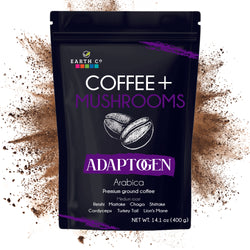
Adaptogen, a functional coffee that combines medicinal mushrooms and adaptogens for stress and focus, offers an elegant solution. By pairing organic coffee with clinically studied adaptogens, you get the familiar ritual you love with sustained energy that supports rather than depletes your system.
Discover Adaptogen Coffee and Transform Your Energy
Can I combine caffeine and adaptogens for energy?
Yes, combining caffeine with adaptogens can provide balanced energy without the typical crash. The adaptogens help modulate the stress response triggered by caffeine while supporting sustained focus. This synergy is why functional coffee blends have become popular among health-conscious consumers.
How long do adaptogens take to work compared to caffeine?
Caffeine typically takes 15-45 minutes to produce noticeable effects, while adaptogens work more gradually over days to weeks of consistent use. Adaptogens build resilience in your stress response system rather than providing instant stimulation. For best results, nutrition experts recommend taking adaptogens daily for at least 2-4 weeks.
Are adaptogens safer than caffeine for daily use?
Both can be safe for daily use when consumed appropriately. Adaptogens are generally considered well-tolerated and non-habit forming, while caffeine can lead to dependence and tolerance over time. Clinical studies show adaptogens support homeostasis without overstimulating the nervous system.