Beta-Glucans: The Compound That Makes Functional Mushrooms Actually Work
Beta-glucans are polysaccharides found in the cell walls of fungi that activate and modulate the immune system. These complex carbohydrates are the primary bioactive compounds responsible for the health benefits of functional mushrooms like reishi, lion's mane, and turkey tail. Without adequate beta-glucan content, a mushroom supplement offers little more than fiber.
What Are Beta-Glucans and Why Do They Matter?
Beta-glucans are a type of soluble fiber composed of glucose molecules linked together in specific patterns. In functional mushrooms, these compounds form the structural backbone of cell walls, particularly in the fruiting body. What makes mushroom beta-glucans unique is their branching structure, which allows them to interact directly with immune cells in the gut.
When you consume beta-glucans, they travel largely undigested to your intestines where they encounter immune receptors called Dectin-1 and Complement Receptor 3. These receptors recognize beta-glucans as foreign molecules and trigger an immune response. This process, known as immunomodulation, trains your immune system to respond more efficiently to actual threats without causing harmful inflammation.
Evidence suggests that not all beta-glucans are created equal. The specific structure—including molecular weight and degree of branching—determines how effectively they activate immune pathways. This is why extraction methods and mushroom sourcing matter significantly when choosing a functional mushroom product.
The Science Behind Beta-Glucans and Immune Function
Clinical studies show that beta-glucans enhance the activity of macrophages, natural killer cells, and neutrophils—the frontline defenders of your immune system. According to a 2007 study published in the Journal of the American College of Nutrition, beta-glucan supplementation reduced upper respiratory tract infections by 23% in marathon runners during the post-race period when immune function typically declines.
Research confirms that these compounds work through multiple mechanisms simultaneously. They stimulate both the innate immune system, which provides immediate defense, and the adaptive immune system, which creates targeted antibodies against specific pathogens. This dual action explains why functional mushrooms have been valued in traditional medicine for supporting overall resilience.
A 2019 review published in the International Journal of Molecular Sciences found that mushroom beta-glucans demonstrated significant immunomodulatory effects across dozens of studies. The researchers noted that beta-glucans from different mushroom species showed varying potencies, with turkey tail and reishi consistently ranking among the most effective.
Nutrition experts agree that the immunomodulatory properties of beta-glucans make them particularly valuable for people dealing with chronic stress, seasonal challenges, or recovery from illness. Unlike stimulants that push your system into overdrive, beta-glucans help calibrate immune responses to appropriate levels.
Fruiting Body vs. Mycelium: Where to Find the Most Beta-Glucans
The fruiting body is the above-ground portion of the mushroom—the cap and stem you would recognize in a grocery store. Mycelium, by contrast, is the root-like network that grows beneath the surface. Understanding this distinction is crucial because beta-glucan content varies dramatically between these two parts.
Fruiting bodies contain significantly higher concentrations of beta-glucans than mycelium-based products. Many commercial mushroom supplements use mycelium grown on grain substrates, which dilutes the final product with starch rather than beneficial compounds. When you examine the ingredients in your mushroom supplement, look for "fruiting body extract" rather than "mycelium on grain" or "full spectrum."
High-quality functional mushroom products standardize their beta-glucan content, typically guaranteeing 30% or higher. This standardization ensures you receive a consistent therapeutic dose rather than an unpredictable amount that varies batch to batch. Third-party testing for beta-glucan content has become an important quality marker in the supplement industry.
The extraction process also influences bioavailability. Hot water extraction is the traditional method that effectively releases beta-glucans from tough fungal cell walls. Some manufacturers use dual extraction combining hot water and alcohol to capture both water-soluble beta-glucans and fat-soluble compounds like triterpenes.
How Beta-Glucans Support Stress and Cognitive Function
Beyond immune function, beta-glucans contribute to the adaptogenic properties of certain functional mushrooms. Adaptogens are compounds that help your body maintain homeostasis during physical and mental stress. Mushrooms like reishi and lion's mane owe part of their stress-modulating effects to their beta-glucan content working synergistically with other bioactive compounds.
The gut-brain axis provides one pathway through which beta-glucans influence mental wellbeing. These compounds act as prebiotics, feeding beneficial gut bacteria that produce neurotransmitters and regulate the HPA axis—your body's central stress response system. A healthy gut microbiome supported by beta-glucans can help modulate cortisol levels and improve resilience to daily stressors.
Research into neuroplasticity suggests that the compounds found alongside beta-glucans in lion's mane mushroom, particularly hericenones and erinacines, may support nerve growth factor production. While beta-glucans themselves don't directly promote neuroplasticity, they create an immune environment that supports overall brain health and reduces neuroinflammation.
When you browse our shop, you will find products designed to deliver meaningful amounts of these beneficial compounds through convenient daily rituals. Combining functional mushrooms with your morning coffee is one of the simplest ways to incorporate beta-glucans into your routine consistently.
Choosing a Functional Mushroom Product with Real Beta-Glucan Content
The functional mushroom market has exploded in recent years, but quality varies enormously between brands. Many products contain minimal beta-glucans despite prominent mushroom imagery on their labels. Learning to evaluate products critically will help you avoid wasting money on ineffective supplements.
First, check whether the product specifies fruiting body extract. Second, look for standardized beta-glucan content—reputable brands list this on their labels or certificates of analysis. Third, research the extraction method to ensure beta-glucans are bioavailable rather than locked inside indigestible cell walls.
Evidence suggests that combining multiple mushroom species may provide complementary benefits, as different fungi contain beta-glucans with varying structures. Blends featuring reishi, lion's mane, chaga, and cordyceps offer a broader spectrum of immunomodulatory compounds than single-species products.
The timing of consumption matters less than consistency. Beta-glucans work cumulatively, supporting immune function over weeks and months of regular use rather than providing immediate effects. Incorporating them into an existing daily habit, like your morning coffee, increases the likelihood you will maintain the routine long enough to experience benefits.
Experience the Power of Beta-Glucans in Your Daily Cup
Understanding the science behind functional mushrooms empowers you to make informed choices about your health. Beta-glucans represent decades of research into how natural compounds can support immune resilience, stress adaptation, and overall vitality. The key is finding a convenient, enjoyable way to consume them daily.
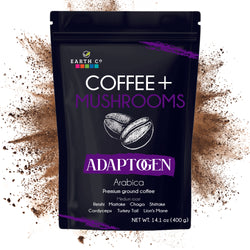
Adaptogen, a functional coffee that combines medicinal mushrooms and adaptogens for stress and focus, delivers meaningful amounts of beta-glucans in every cup. By pairing organic coffee with carefully sourced mushroom extracts, you get the focus and energy you need alongside the immune support your body craves.
How much beta-glucan should I take daily for immune support?
Research suggests 100–500mg of beta-glucans daily for immune support. The optimal dose depends on the mushroom source and your health goals. Start with a lower dose and adjust based on how your body responds.
Which functional mushrooms have the highest beta-glucan content?
Reishi, turkey tail, and chaga contain some of the highest beta-glucan concentrations among functional mushrooms. Fruiting body extracts typically contain more beta-glucans than mycelium-based products. Look for supplements standardized to at least 30% beta-glucans.
Are beta-glucans safe to take every day?
Beta-glucans are generally considered safe for daily consumption with minimal side effects. They have been used in traditional medicine for centuries and studied extensively in clinical trials. However, consult your healthcare provider if you have autoimmune conditions or take immunosuppressant medications.