Ashwagandha is an adaptogenic herb that helps your body manage stress by regulating cortisol levels and supporting the HPA axis. This ancient Ayurvedic root, scientifically known as Withania somnifera, has become the most researched adaptogen in modern science. If you want to understand how ashwagandha works and why it matters for daily stress management, this complete guide covers everything you need to know.
What Is Ashwagandha and Why Is It the Top Studied Adaptogen?
Ashwagandha is a small shrub native to India and North Africa, where it has been used for over 3,000 years in traditional Ayurvedic medicine. The name translates to "smell of the horse" in Sanskrit, referring both to its earthy aroma and its reputation for providing strength and vitality. Today, it stands as one of the most clinically studied herbs in the world.
Adaptogens are a class of plants and mushrooms that help the body resist physical, chemical, and biological stressors. They work by modulating the hypothalamic-pituitary-adrenal axis, commonly called the HPA axis, which controls your stress response. Unlike stimulants that push your system into overdrive, adaptogens help restore balance and promote homeostasis.
What makes ashwagandha unique among adaptogens is its dual action. Research suggests it can be both calming and energizing depending on what your body needs. This bidirectional effect is the hallmark of true adaptogenic compounds and explains why ashwagandha benefits such a wide range of concerns.
The Science Behind Ashwagandha Adaptogen and Cortisol Regulation
Cortisol is your body's primary stress hormone, released by the adrenal glands in response to perceived threats. While essential for survival, chronically elevated cortisol contributes to anxiety, weight gain, poor sleep, and cognitive decline. Modern life keeps many of us in a constant state of low-grade stress, with cortisol levels that never fully reset.
A 2012 randomized double-blind placebo-controlled study by Chandrasekhar et al., published in the Indian Journal of Psychological Medicine (PMC3573577), found that adults with chronic stress who took 300mg of ashwagandha root extract twice daily for 60 days showed a 27.9% reduction in serum cortisol levels compared to placebo. Participants also reported significant improvements in perceived stress and overall quality of life.
The active compounds responsible for these effects are called withanolides — naturally occurring steroidal lactones found in ashwagandha that interact with GABAergic signaling and modulate neurotransmitter activity. Clinical studies suggest these compounds help normalize cortisol patterns without suppressing the healthy stress response you need for motivation and alertness.
Preclinical research also suggests that ashwagandha may support neuroprotection by reducing oxidative stress and inflammation in brain cells — factors that chronic cortisol elevation can worsen over time. Human clinical evidence on this specific mechanism is still emerging, but the stress-reduction benefits are well established.
Ashwagandha Adaptogen Benefits Backed by Clinical Research
Beyond cortisol regulation, ashwagandha has demonstrated benefits across multiple areas of health. The research spans stress, sleep, physical performance, and cognitive function.
Multiple systematic reviews and meta-analyses of randomized controlled trials confirm that ashwagandha supplementation significantly reduces anxiety and stress measures compared to placebo. A 2022 meta-analysis published in Phytotherapy Research analyzing 12 RCTs with over 1,000 participants found significant reductions in both anxiety and perceived stress scores following ashwagandha supplementation.
Sleep quality represents another well-documented benefit. Ashwagandha appears to support natural sleep by enhancing GABAergic signaling, which calms overactive neural circuits. Many people who struggle with racing thoughts at bedtime find that ashwagandha helps quiet the mind without the grogginess associated with pharmaceutical sleep aids.
For those interested in physical performance, research shows ashwagandha can support muscle strength and recovery. Studies suggest it may help support healthy testosterone levels in men and improve markers of cardiorespiratory endurance. Athletes and active individuals often use it to support training adaptation and reduce exercise-induced cortisol spikes.
How to Choose Quality Ashwagandha Supplements
Not all ashwagandha products deliver the same results. The potency depends heavily on the extraction method, the part of the plant used, and the withanolide concentration. Understanding these factors helps you select supplements that actually work rather than wasting money on ineffective products.
Root extracts standardized to contain specific withanolide percentages provide the most reliable effects. When evaluating any ashwagandha adaptogen supplement, look for these key quality indicators:
- Withanolide content specified: typically ranging from 2.5% to 10% — higher concentrations allow smaller doses with the same therapeutic effect
- Full-spectrum root extract: retains the complete profile of beneficial compounds, not just isolated withanolides
- Third-party tested: confirms potency and purity claims are accurate
- Taken with food or healthy fats: improves absorption significantly
Integrating Ashwagandha Into Your Daily Routine
Consistency matters more than timing when it comes to adaptogens. Unlike caffeine or other acute-acting compounds, ashwagandha builds effects gradually over weeks. Most clinical trials showing significant benefits used daily supplementation for at least 6 to 12 weeks.
Morning consumption works well for those using ashwagandha primarily for stress resilience and focus throughout the day. The adaptogen can help blunt the cortisol spike that naturally occurs upon waking, setting a calmer tone for the hours ahead. Pairing it with your morning coffee creates a convenient ritual that supports compliance.
Evening use makes sense if sleep improvement is your primary goal. The calming properties of ashwagandha complement the body's natural wind-down process. Some people find splitting the daily dose between morning and evening provides balanced support throughout the full 24-hour cycle.
Many health-conscious individuals now choose functional beverages that incorporate ashwagandha adaptogen alongside other synergistic ingredients. This approach simplifies supplementation by combining multiple benefits in a single daily habit. Browse Earth Co Organics' complete collection of adaptogenic blends in the full product catalog.
Start Your Ashwagandha Adaptogen Journey With Functional Coffee
Understanding ashwagandha is the first step toward harnessing its stress-balancing potential. The research is clear: this ancient herb offers modern solutions for managing cortisol, supporting the HPA axis, and promoting daily stress resilience. When combined with complementary adaptogens and medicinal mushrooms, the benefits compound.
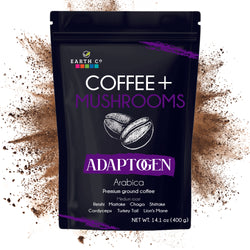
Adaptogen by Earth Co Organics is a functional coffee that combines medicinal mushrooms and adaptogens for stress and focus, making it easy to incorporate these ingredients into your morning routine. Each cup delivers adaptogenic compounds alongside organic coffee for sustained energy and calm alertness — wellness that fits seamlessly into the ritual you already love.
Frequently Asked Questions
How long does it take for ashwagandha to work?
Most clinical studies show measurable effects within 4 to 8 weeks of consistent daily use. Some people notice subtle improvements in stress resilience and sleep quality within the first two weeks, though optimal benefits typically build over time.
Can I take ashwagandha with coffee?
Yes, ashwagandha pairs well with coffee. The adaptogen helps modulate the cortisol response that caffeine can trigger, potentially offering smoother, more sustained energy without the jitters or crash many people experience.
Are there any side effects of ashwagandha?
Ashwagandha is generally well-tolerated in clinical studies. Some people may experience mild digestive upset when first starting. Pregnant women, those with autoimmune conditions, or people on thyroid medications should consult a healthcare provider before use.